












How to get better sound out of your speakers

When you buy new speakers, there are several things you should pay attention to so that you can get the most out of your speakers. At the same time, you should also think about what musical needs you have, so that you choose exactly the right speakers. Here are our very best tips and tricks for you that can give you better sound.
Room and size
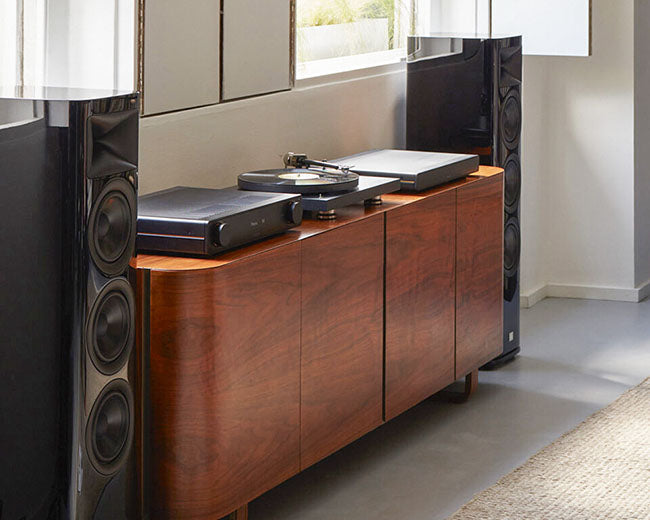
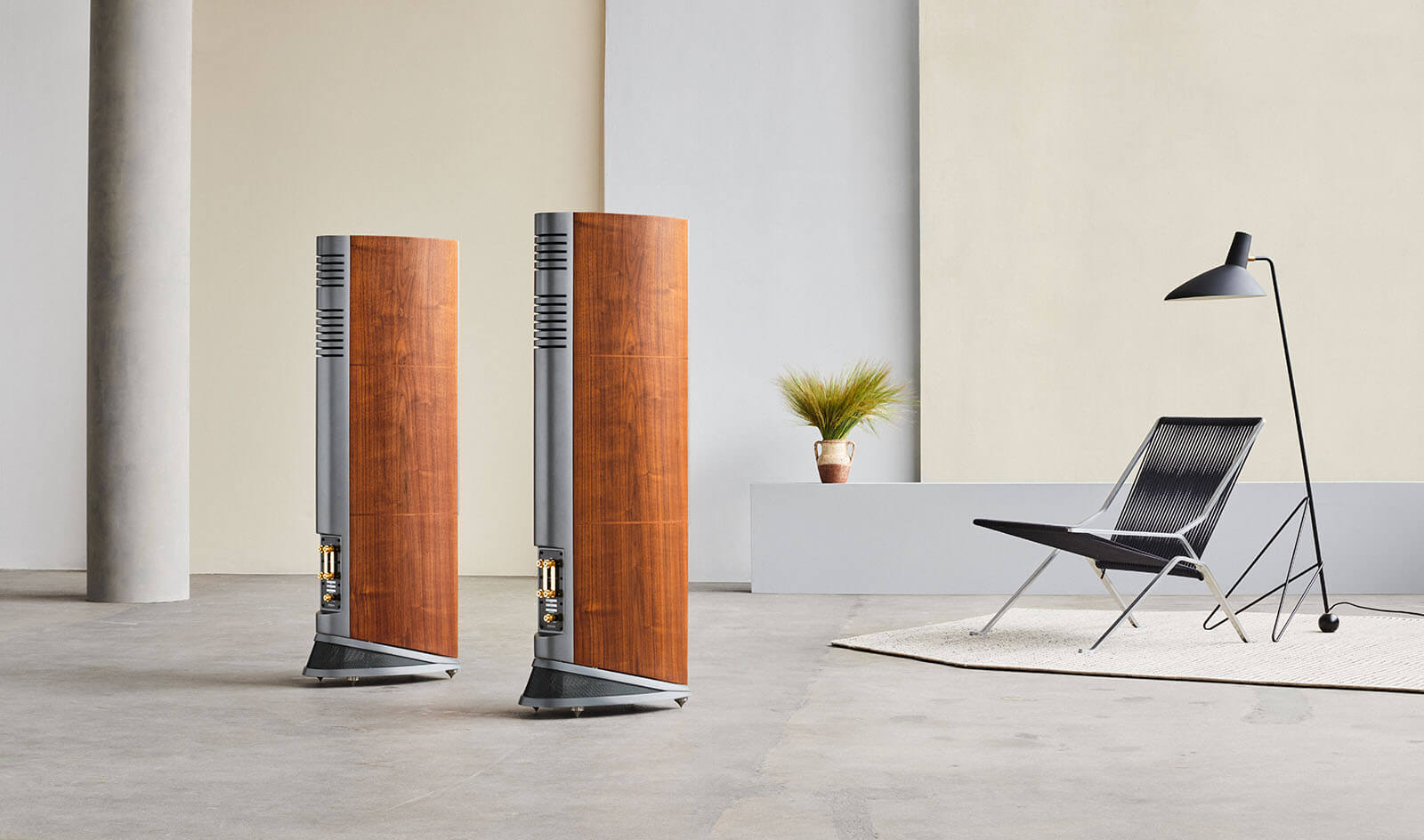
You should always pay attention to the room your speakers will be playing in. Here, the size and characteristics of the room have a greater impact on the sound than most people might think. Generally, it is said that large floor-standing speakers are for use in larger rooms, and smaller speakers most often sound best in smaller rooms. However, there are exceptions to this rule, as Audiovector uses a downward-firing bass reflex port, which makes them easier to integrate into the room. This means that you can get exceptionally good sound from their floor-standing speakers even in smaller rooms, where they can be placed much closer to the wall than more traditional floor-standing speakers. You should therefore always work with your dealer to find exactly the right size speaker for your room.
Acoustics and fine-tuning
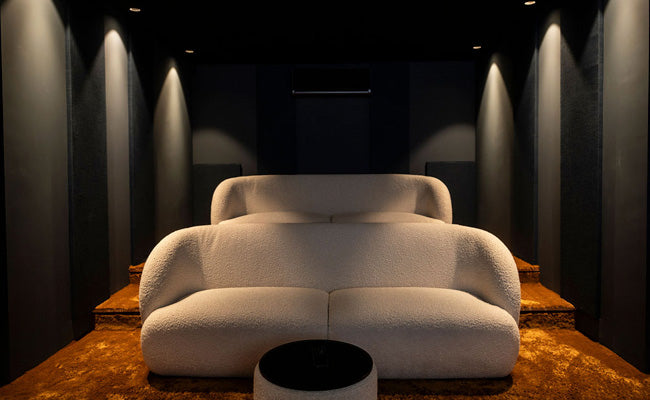
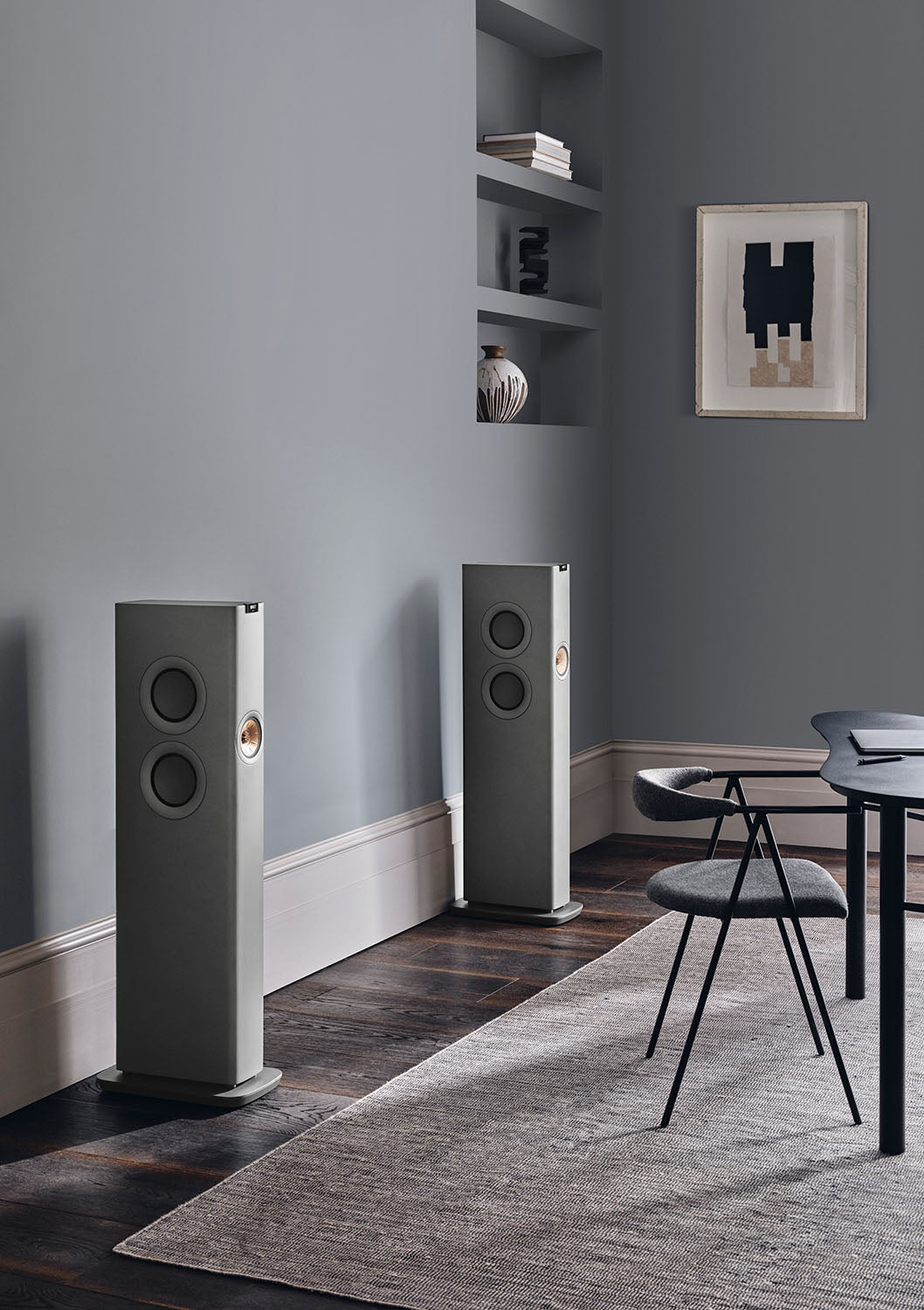
There are also other parameters in the room that affect your overall listening experience. The room’s acoustic properties are a factor that must be taken into account when you buy new speakers. This refers to acoustics/reverberation, where a large, empty room with bare walls and floors will often be a major challenge for the acoustics. Here, it can be beneficial to place furniture and rugs strategically in the room to achieve a significant difference in the sound. In addition, it is very important that sound is not played directly against large bare wall surfaces. The room should be “dampened” without being “dead.” That kills the dynamics, and therefore the sound.
Flap test
To get a better sense of the acoustics in your room, you can try clapping your hands. The sound of the clap should die down quickly, rather than lingering and vibrating in the room with a lot of reverberation. The emptier the room and the walls are, the longer it will take for the sound of the clap to settle.
2. Placement of the speakers
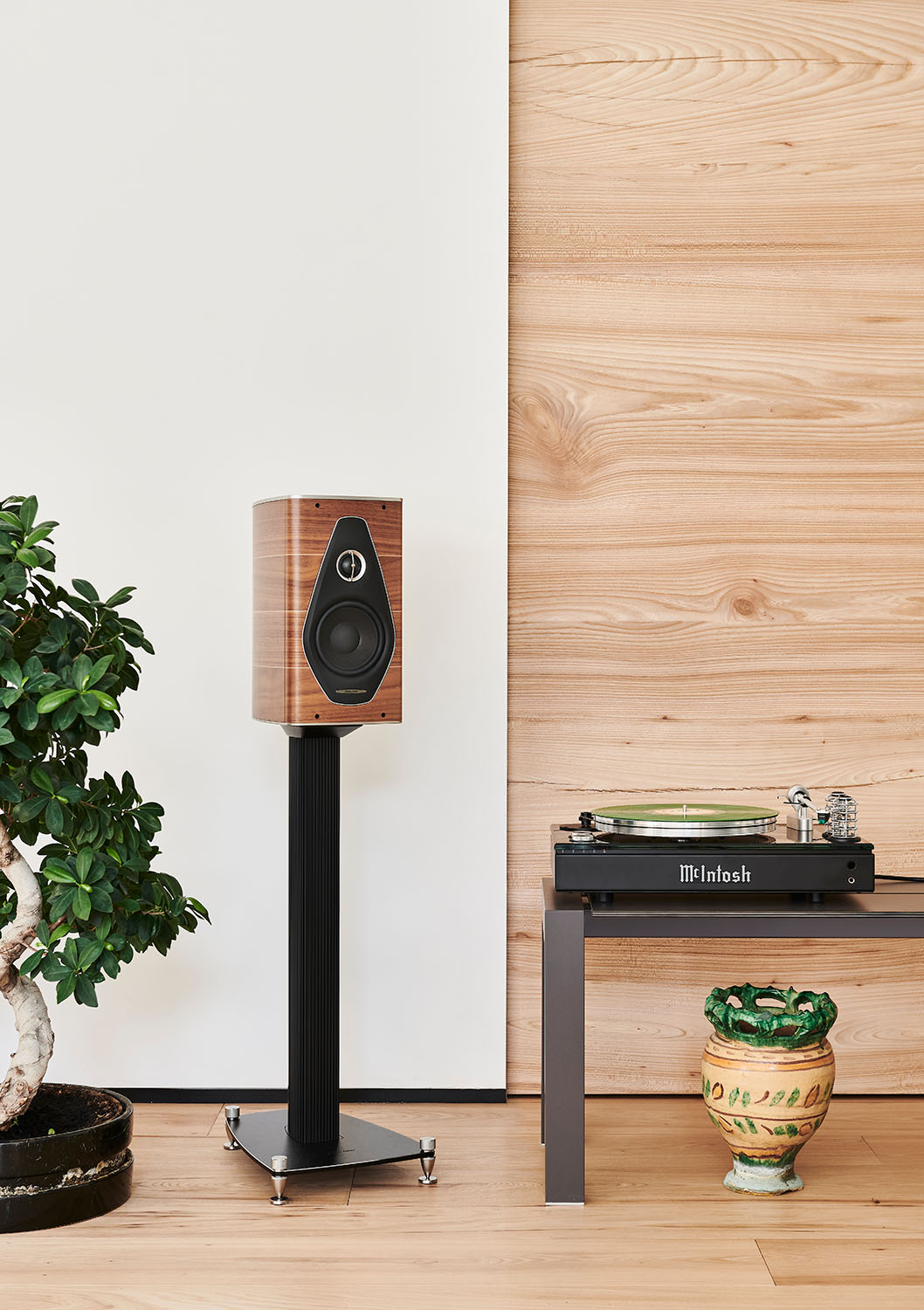
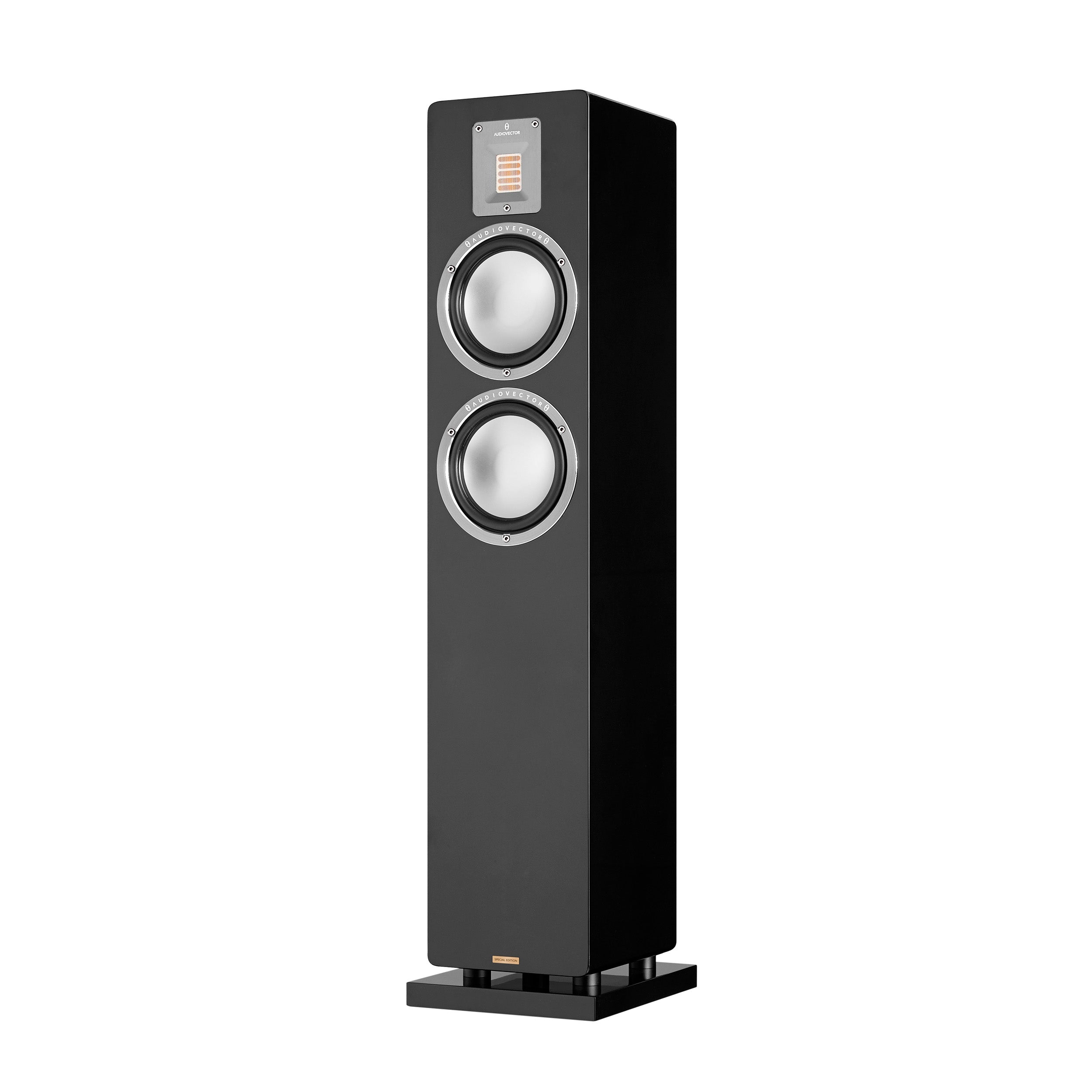
When using traditional stereo speakers, it is important that your speakers are positioned symmetrically. This means they should be placed at the same listening distance from your preferred listening position, with the fronts of the speakers facing the listener. To do this correctly, you should measure the distance from the fronts of the speakers to the listener. The more precise you are with the measurements, the more accurate a soundstage you will achieve.
The speakers should also have a certain distance between them to achieve a “stereo perspective.” Depending on the size of the room, of course. We recommend placing the speakers at least 2 meters apart and no more than 5 meters. If the distance is less than 2 meters, it becomes difficult to create a correct stereo image, and if they are placed too far apart, the soundstage becomes incoherent. A rule of thumb says that the speakers should have the same distance between them as the distance from the speakers to your preferred listening position. This creates an isosceles triangle, with the speaker drivers angled toward the listener.
The distance to the walls
If possible, do not place your speakers too close to corners. We recommend that you start by placing your speakers 30 cm from the rear wall, and from there move them slowly forward until you reach a point where the sound gets worse. Then move the speakers slightly back. From there, the speakers are gradually moved farther apart (out to the sides) to achieve a wider stereo perspective. When the soundstage begins to deteriorate, move the speakers a little closer together again. This deterioration will most often be experienced as a hole in the soundstage.
The last step is to angle the speakers a few degrees at a time toward your preferred listening position so that the soundstage becomes more precise. When the stereo image begins to become smaller and less clear, angle the speakers slightly back again. Then you have the optimal soundstage. To confirm that you have achieved the correct soundstage, it can be helpful to lean slightly forward and backward in your listening position. If the sound gets worse when you have leaned forward and backward, then the speakers are angled correctly. If, on the other hand, the sound gets better when you lean forward, then you have not angled the speakers enough. If the sound is better when you lean back, then the speakers are angled too much.
Equal placement of the speakers
It is also very important for the sound that your speakers are placed as similarly as possible in relation to their surroundings. The acoustic conditions affect the sound of each individual speaker, and by making the conditions around the speakers as similar as possible, you will find that the sound reproduction becomes more even. Put another way, it is not a good idea to place one speaker in a corner or hidden behind furniture or similar, and the other speaker out in the open. The more similar the surroundings you give your speakers, the better and more harmonious the sound you achieve.

3. Disconnect or connect
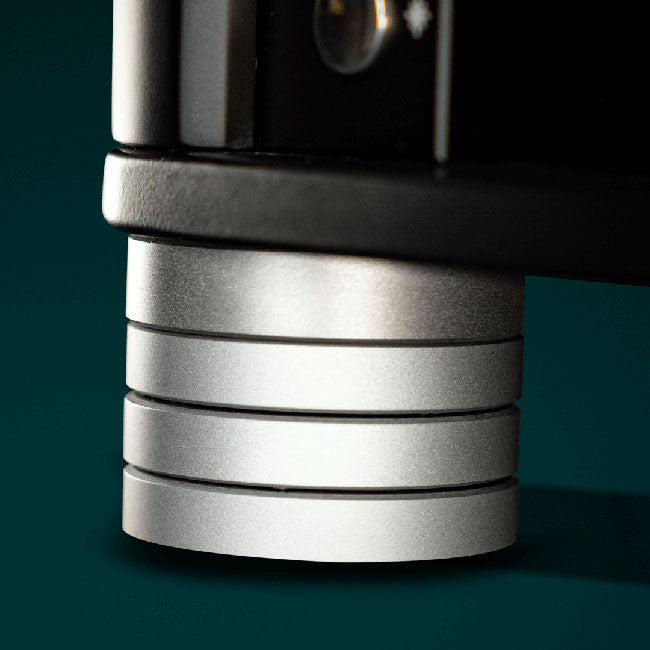
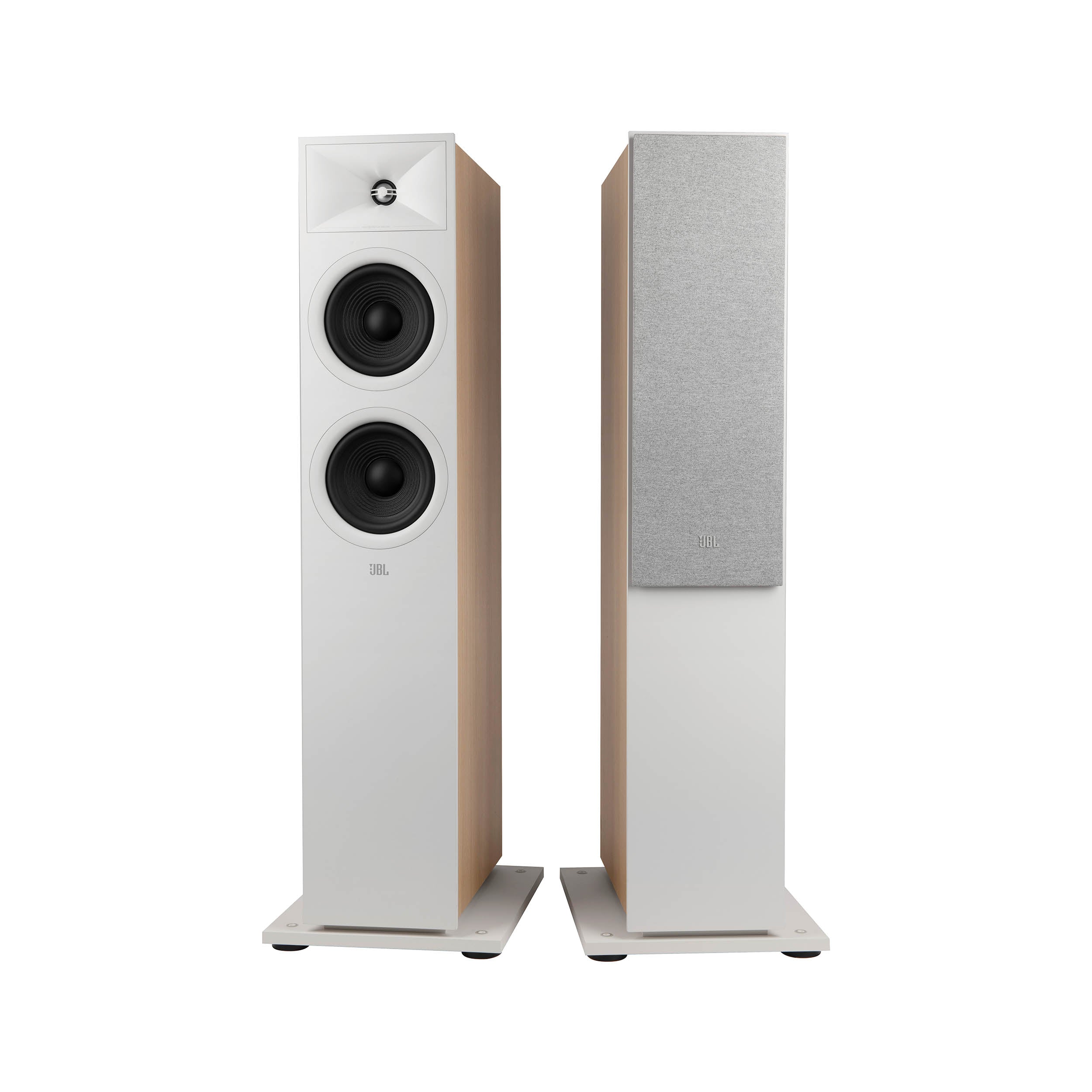
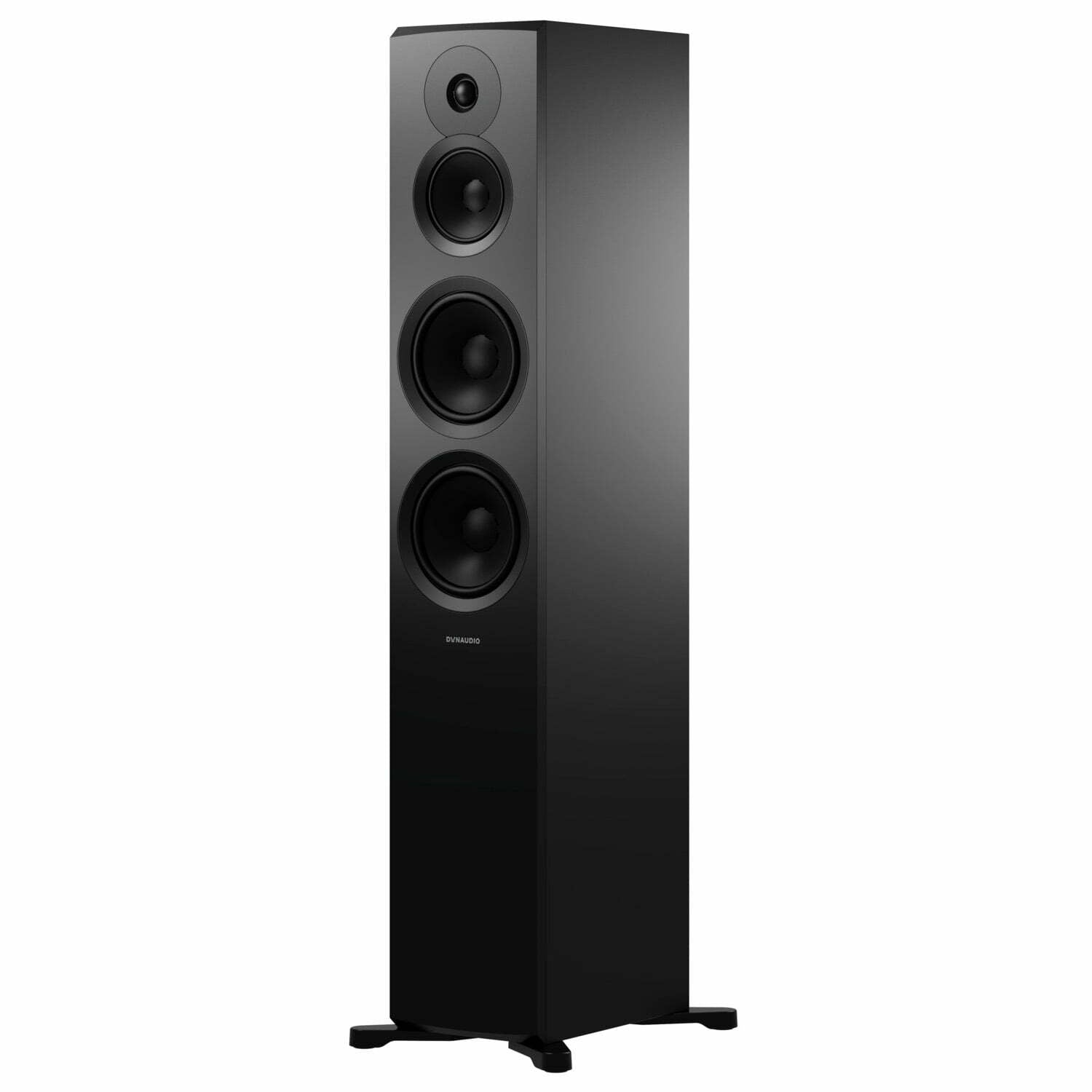
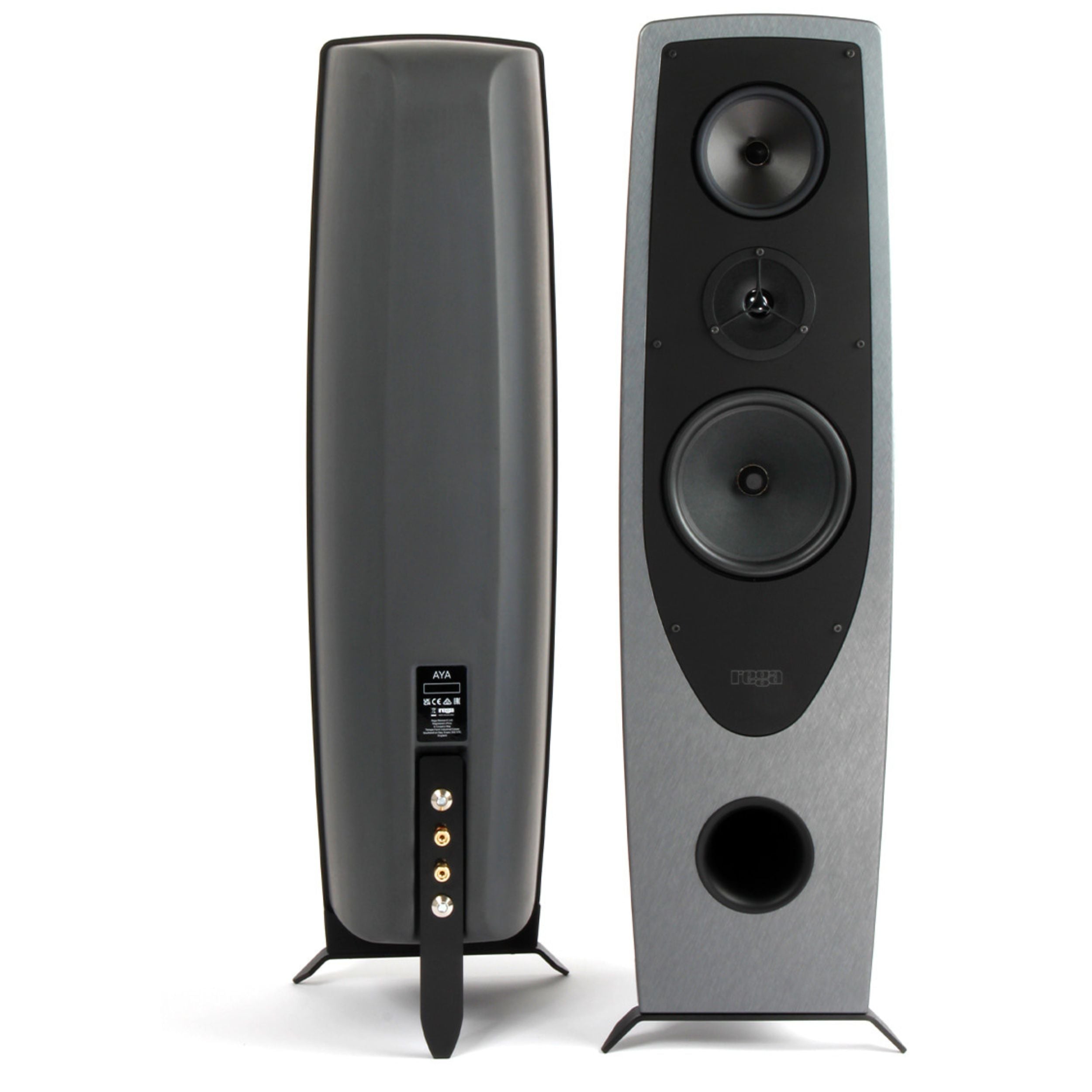
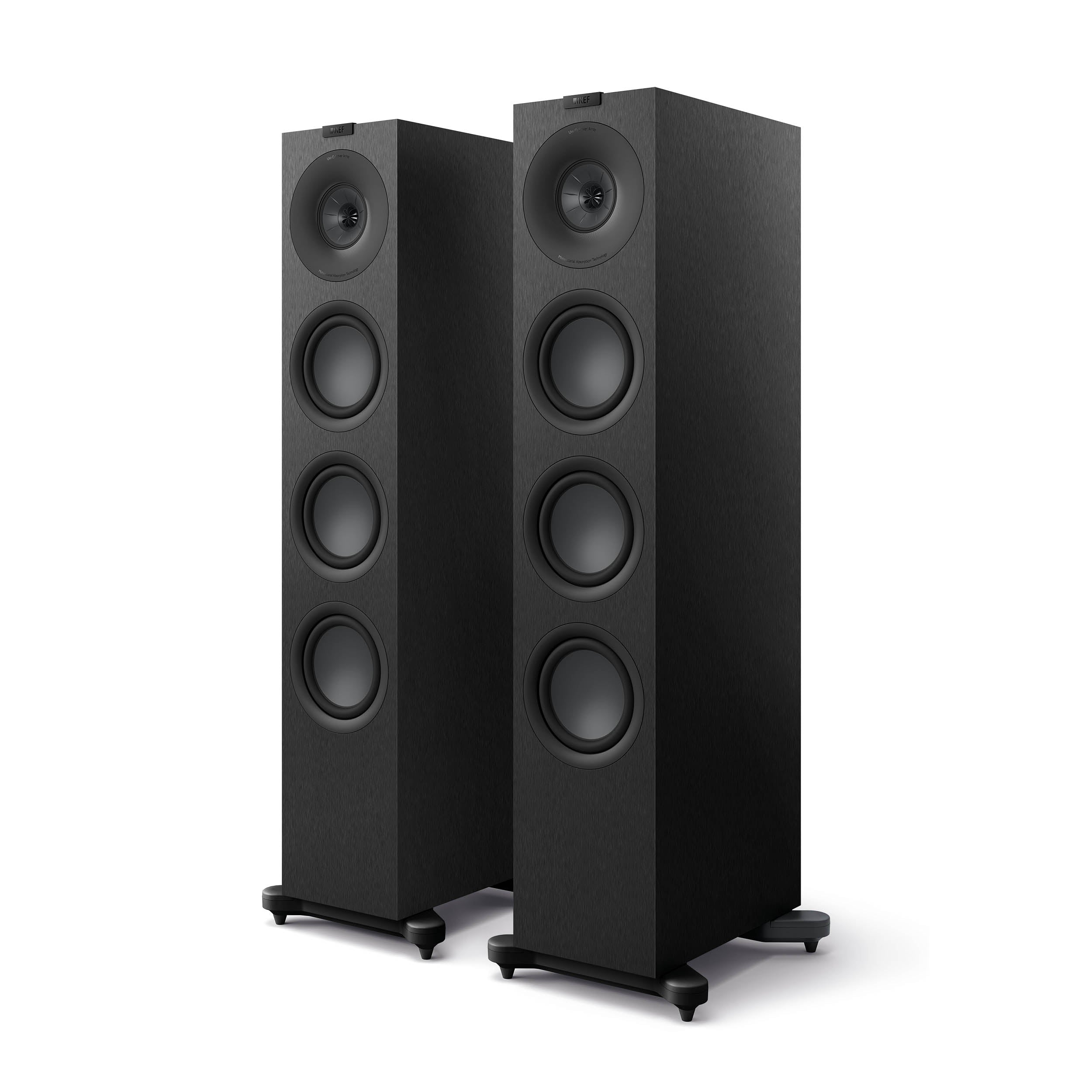
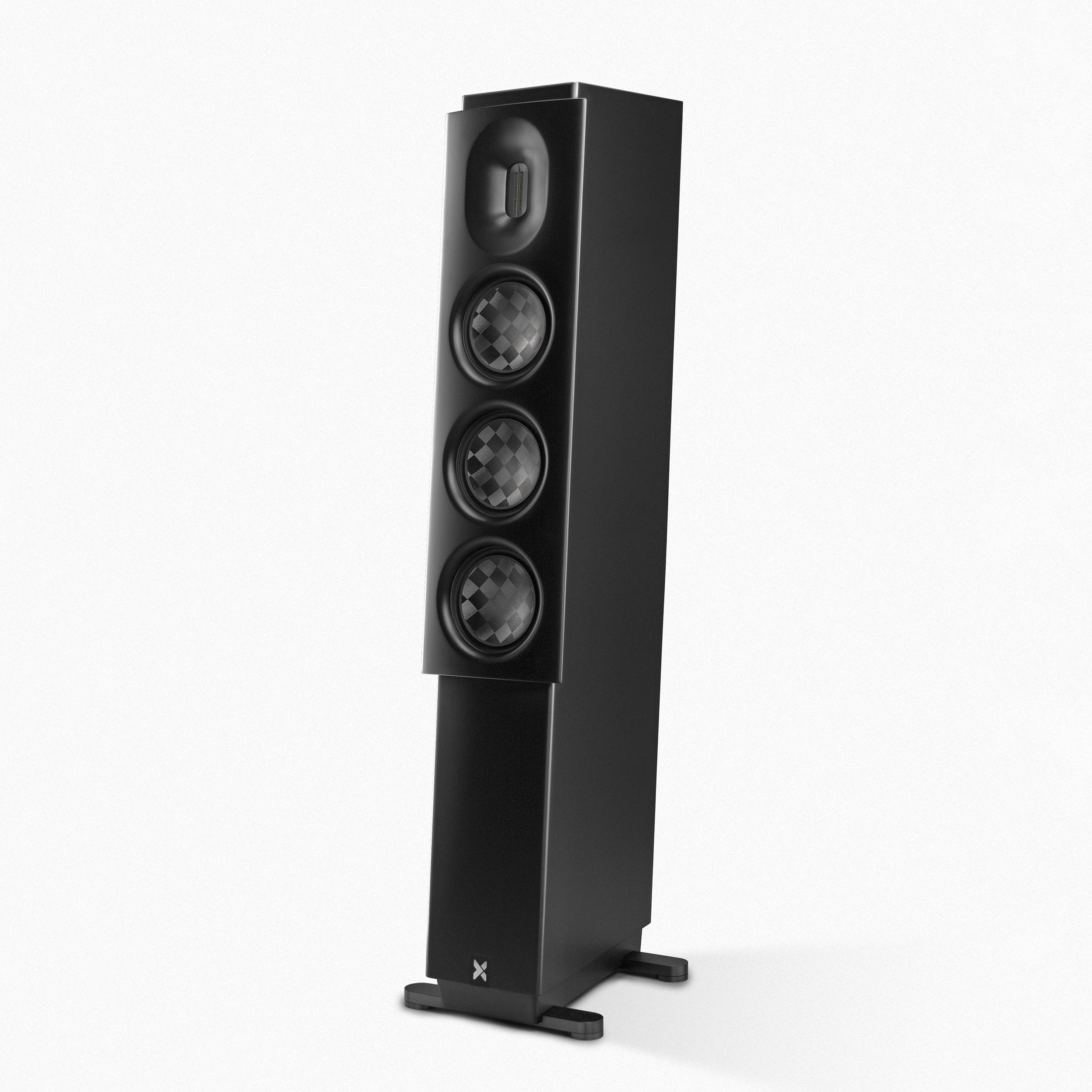
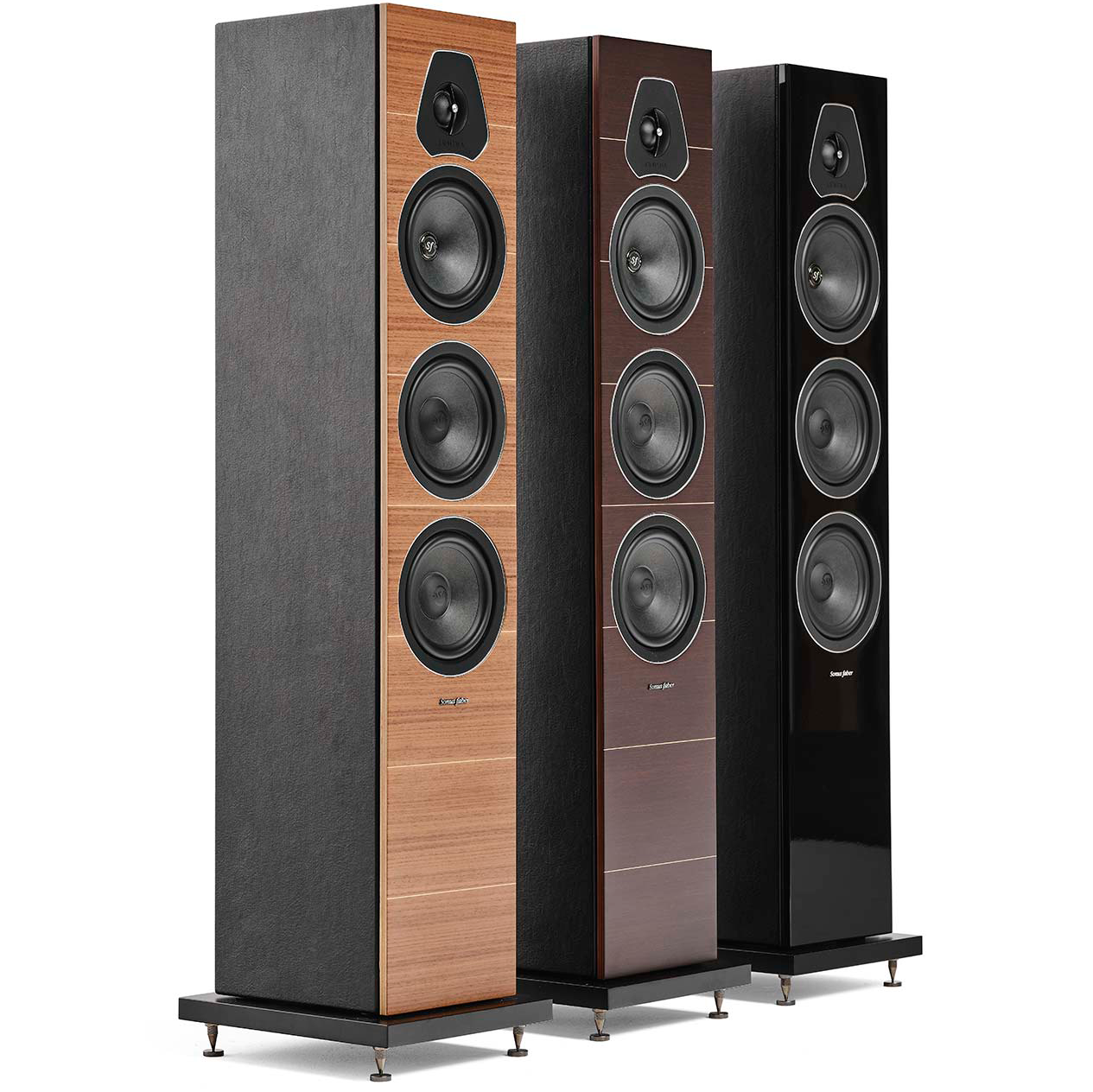
If your speakers are to be placed on the floor, it is important that they are placed on a solid surface so that the speakers do not move back and forth when music is playing. Therefore, use the included “spikes,” which are a kind of pointed screws. These spikes are screwed into the designated threads in the bottom of the speakers to create as small and stable a contact surface as possible.
Adjust these “spikes” so the speaker stands stable on all four points. If you are placing them directly on a wooden floor, it is a good idea to use the so-called “floor protectors.” They are a kind of round discs with a small indentation in the middle, which are placed on the wooden floor before the speaker with “spikes” is placed on top of them. This helps protect the floor against damage from the sharp “spikes.”
"The speaker must stand firmly on the surface so that it can direct all its energy in one direction – toward you. This gives a more precise, dynamic, and punchy sound."
Thomas Mørk, Owner
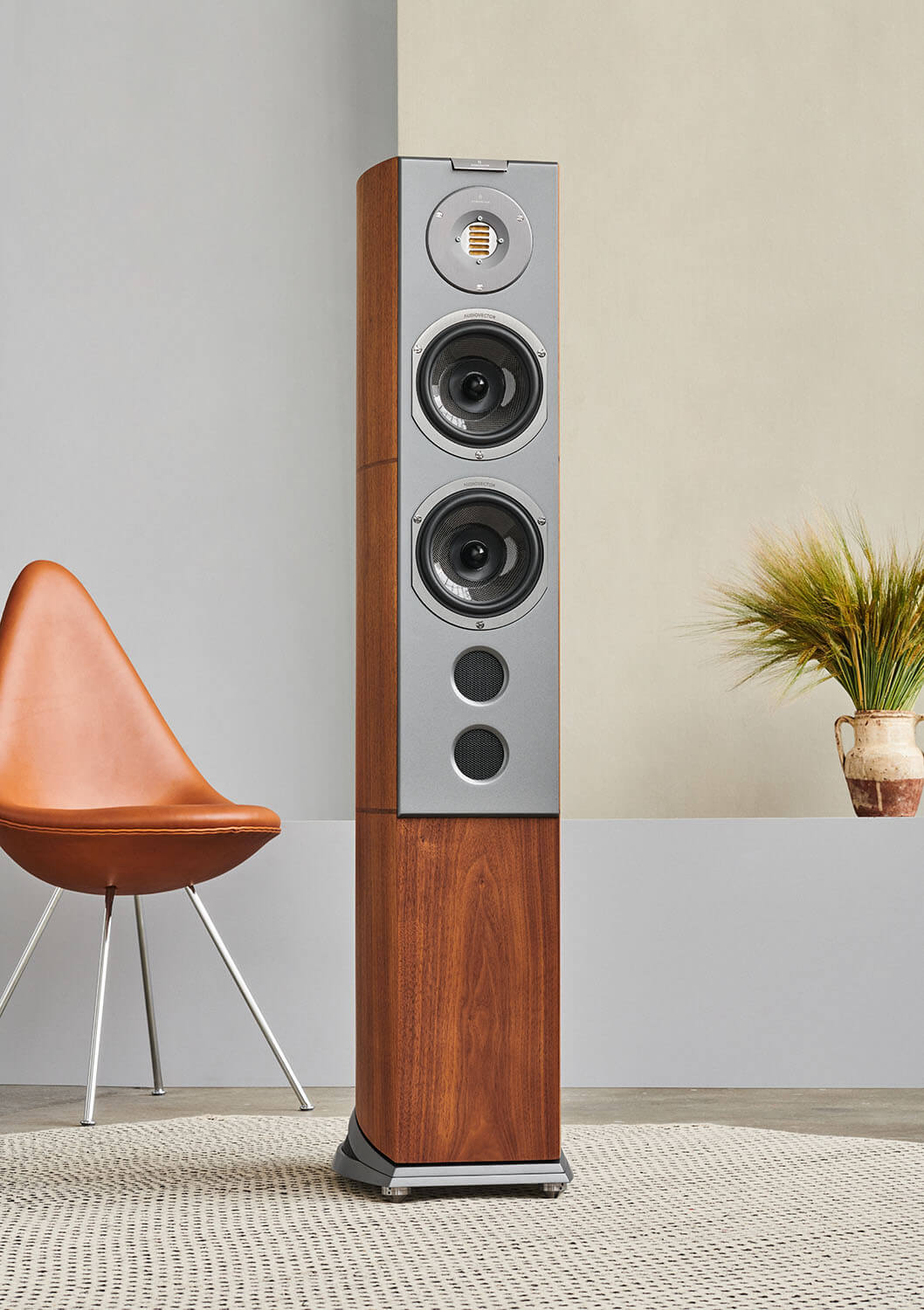
Audiovector R6 Arreté
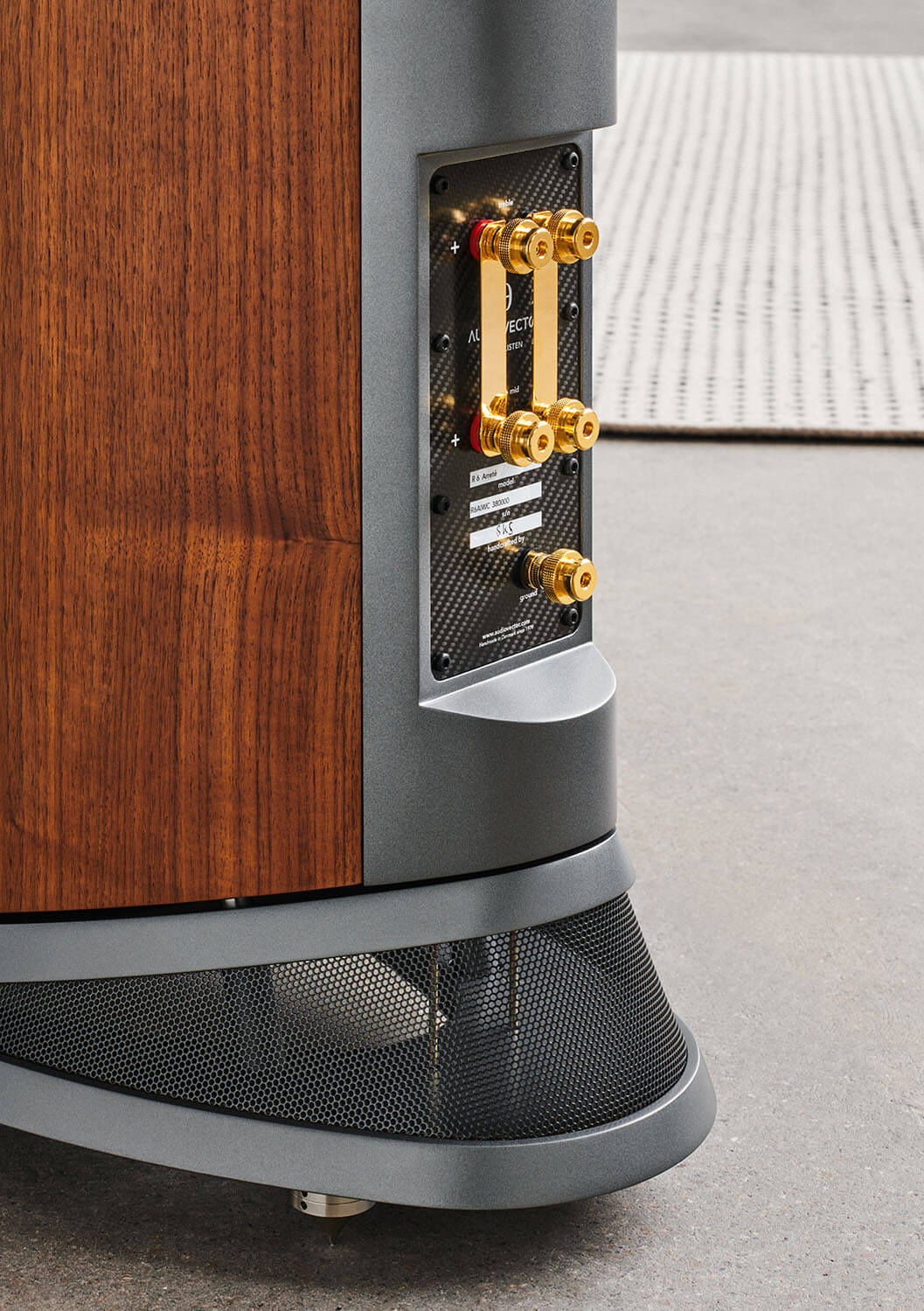
Carbon rear swingarm
Rear-firing 3" midrange
4. Break-in
All new speakers need to be “broken in.” This basically means they just need to get used to being put under load when they are new. There are two types of break-in that have an impact here: electrical break-in and mechanical break-in.
Electrical break-in means that the components mounted in the speakers’ crossovers just need a little time to get used to the amount of current they have to work with. As a result, these components optimize themselves over time, leading to better sound.
Mechanical break-in takes place in the speakers’ moving parts, which are found in the drivers mounted on the front of the speakers. The bass/midrange drivers have a moving magnet system and also a so-called “surround” that holds the driver’s diaphragm in place in the frame the driver is mounted in. These moving parts are also affected by the so-called break-in process, and just like the electrical parts in the speaker, these moving parts also need a fair amount of break-in to perform optimally.
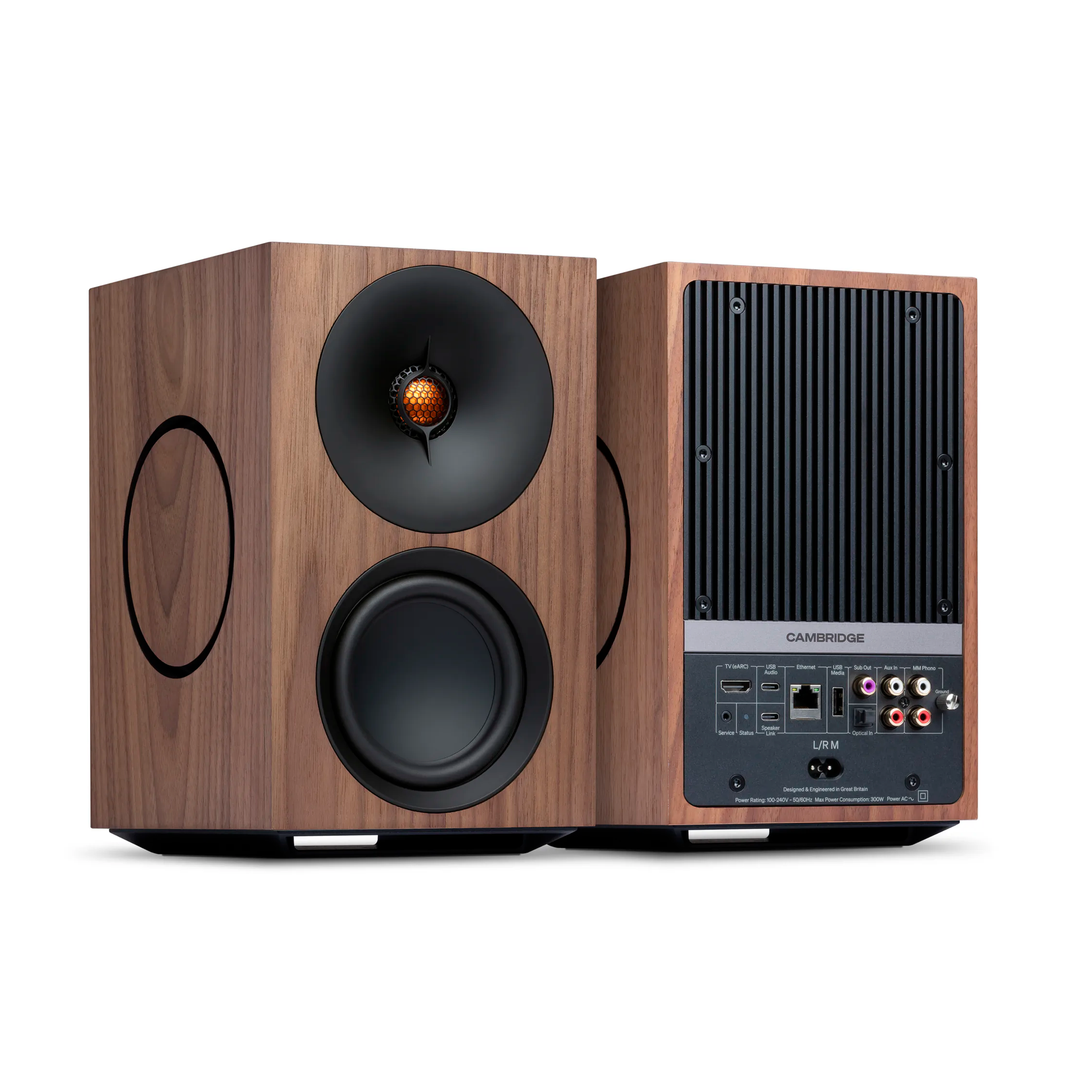
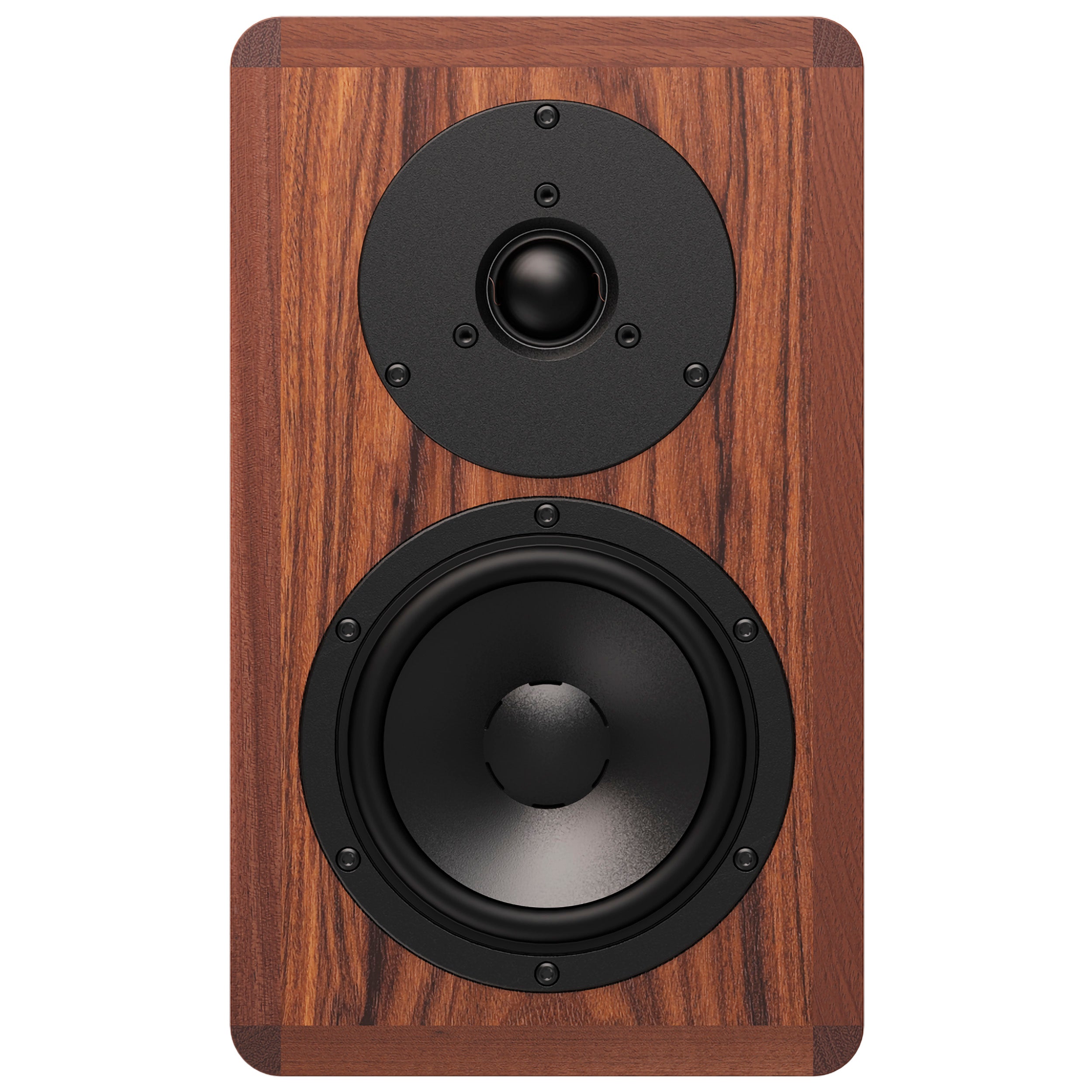
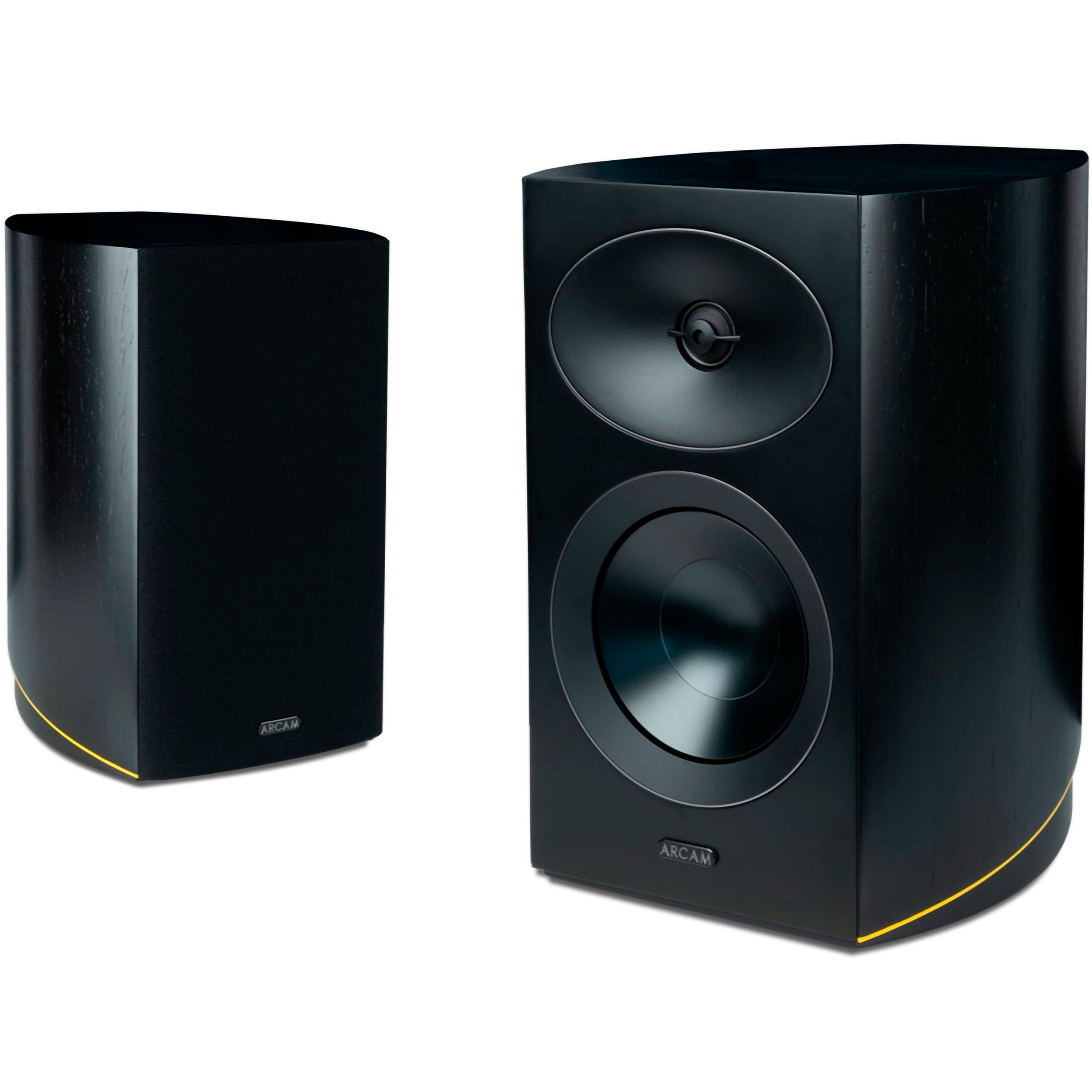
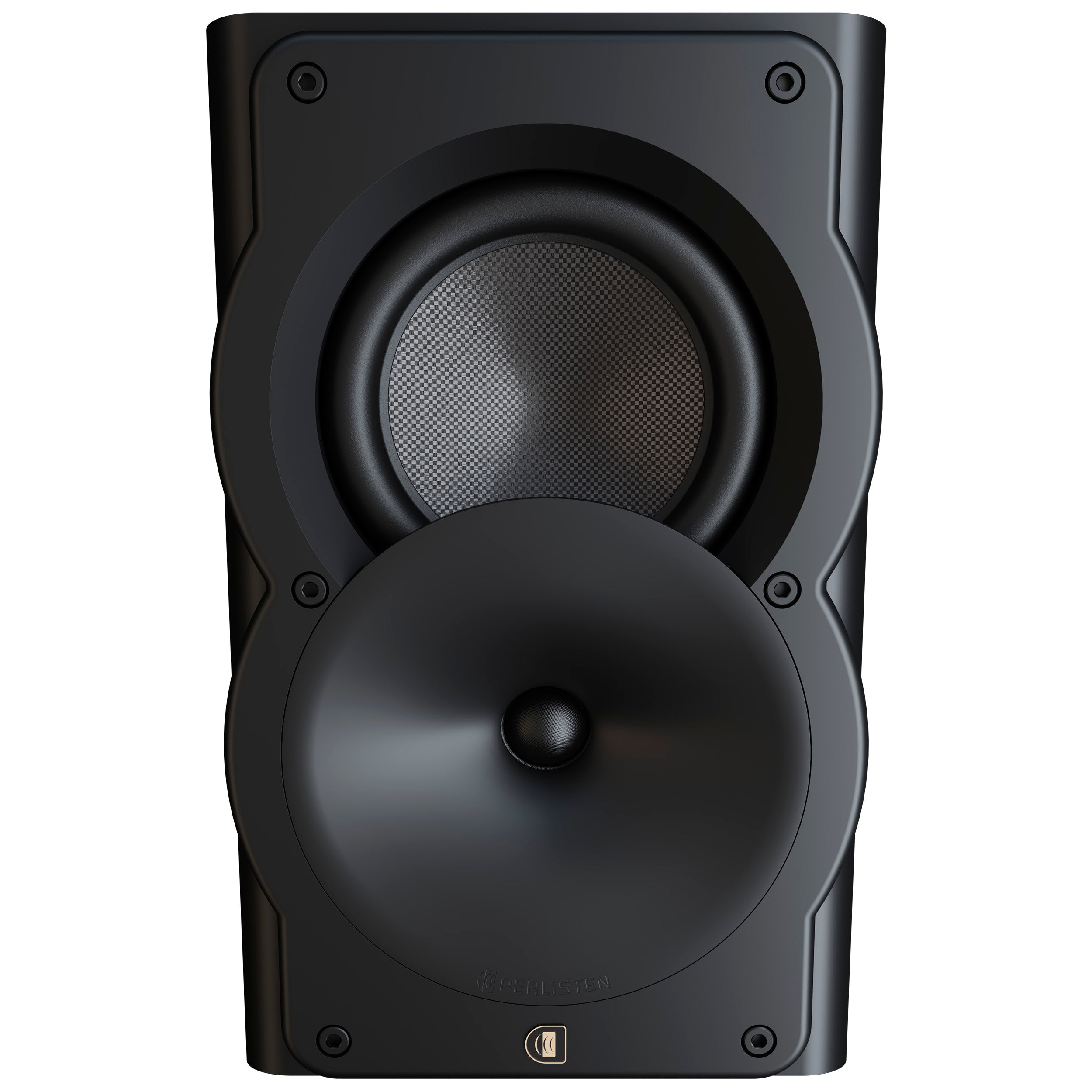
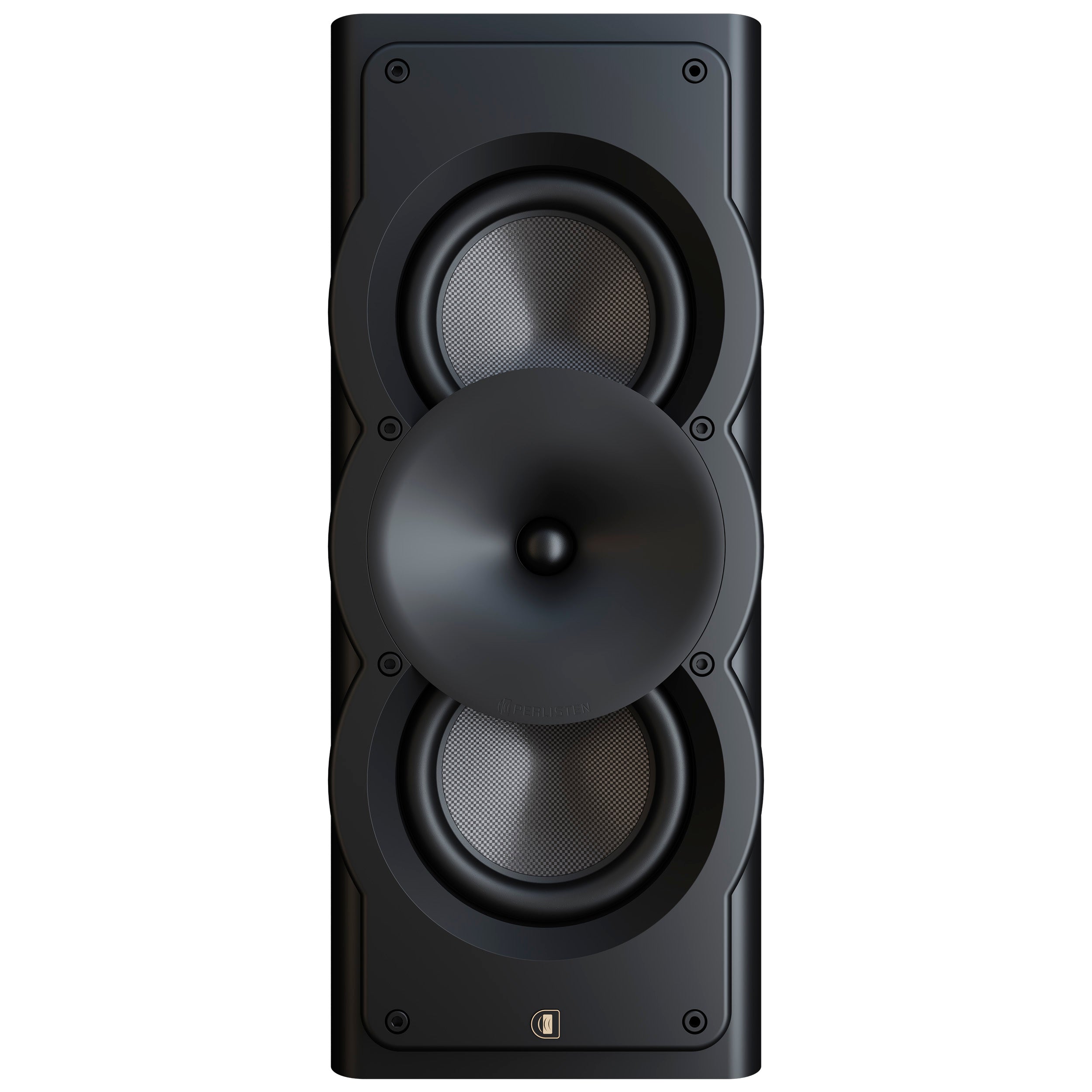
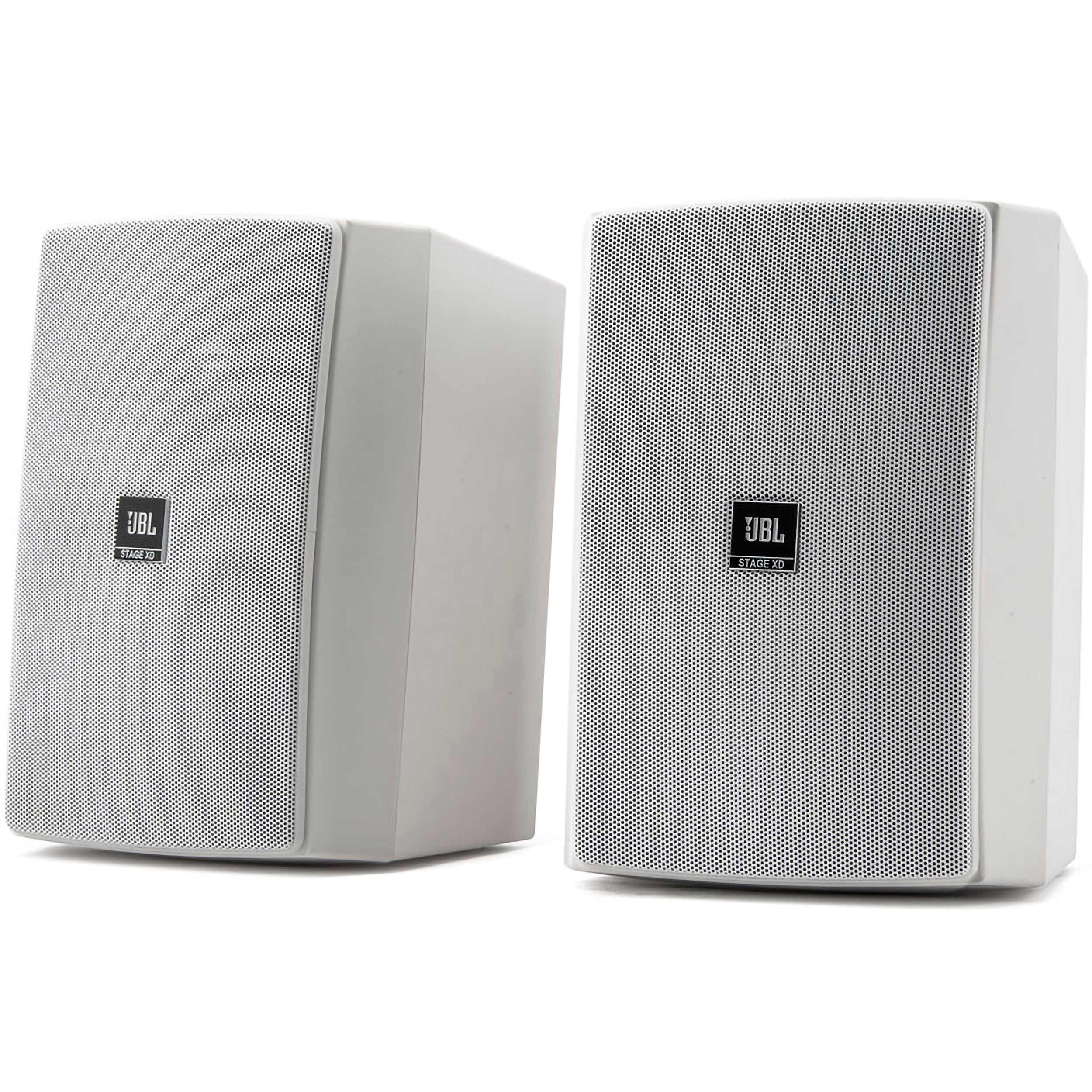
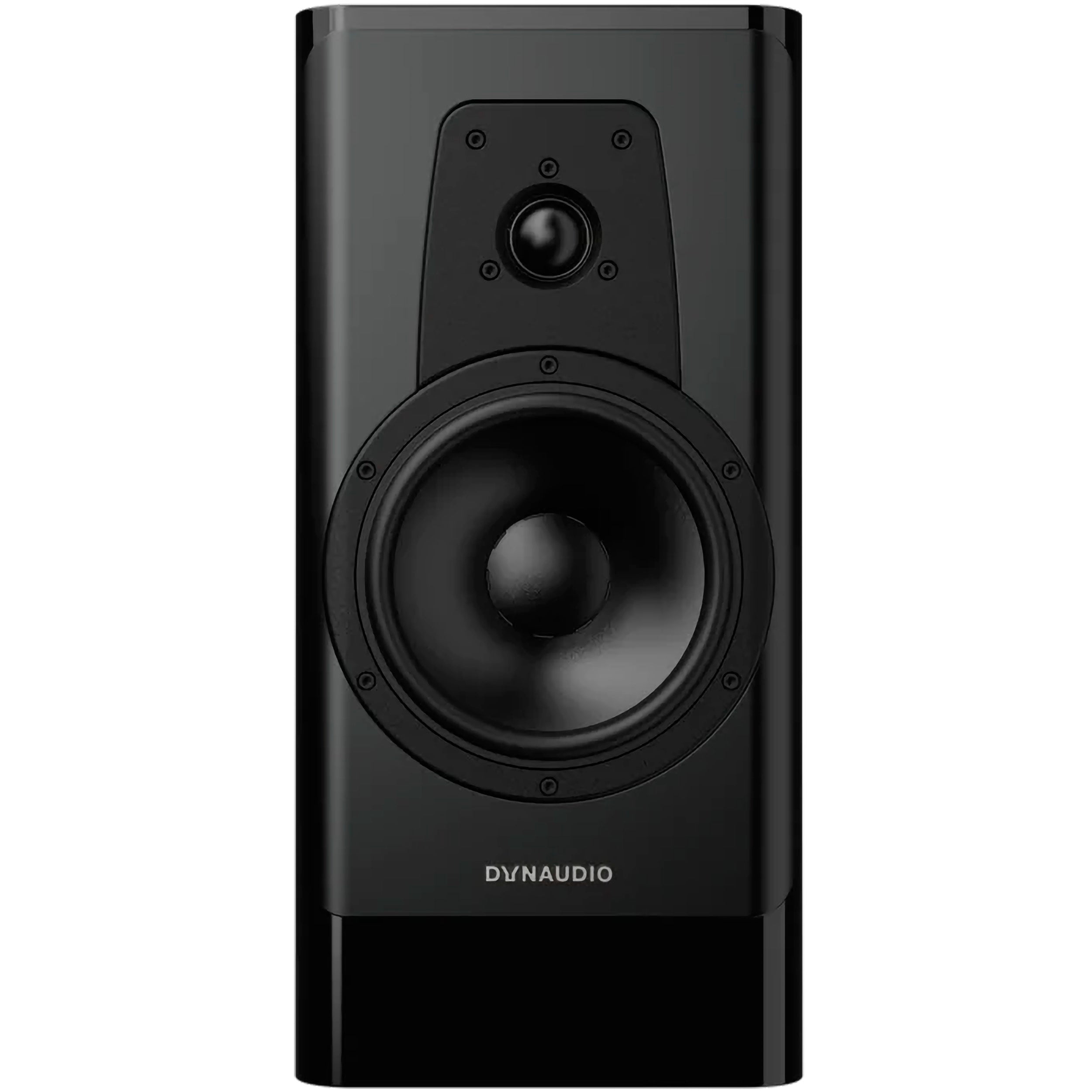
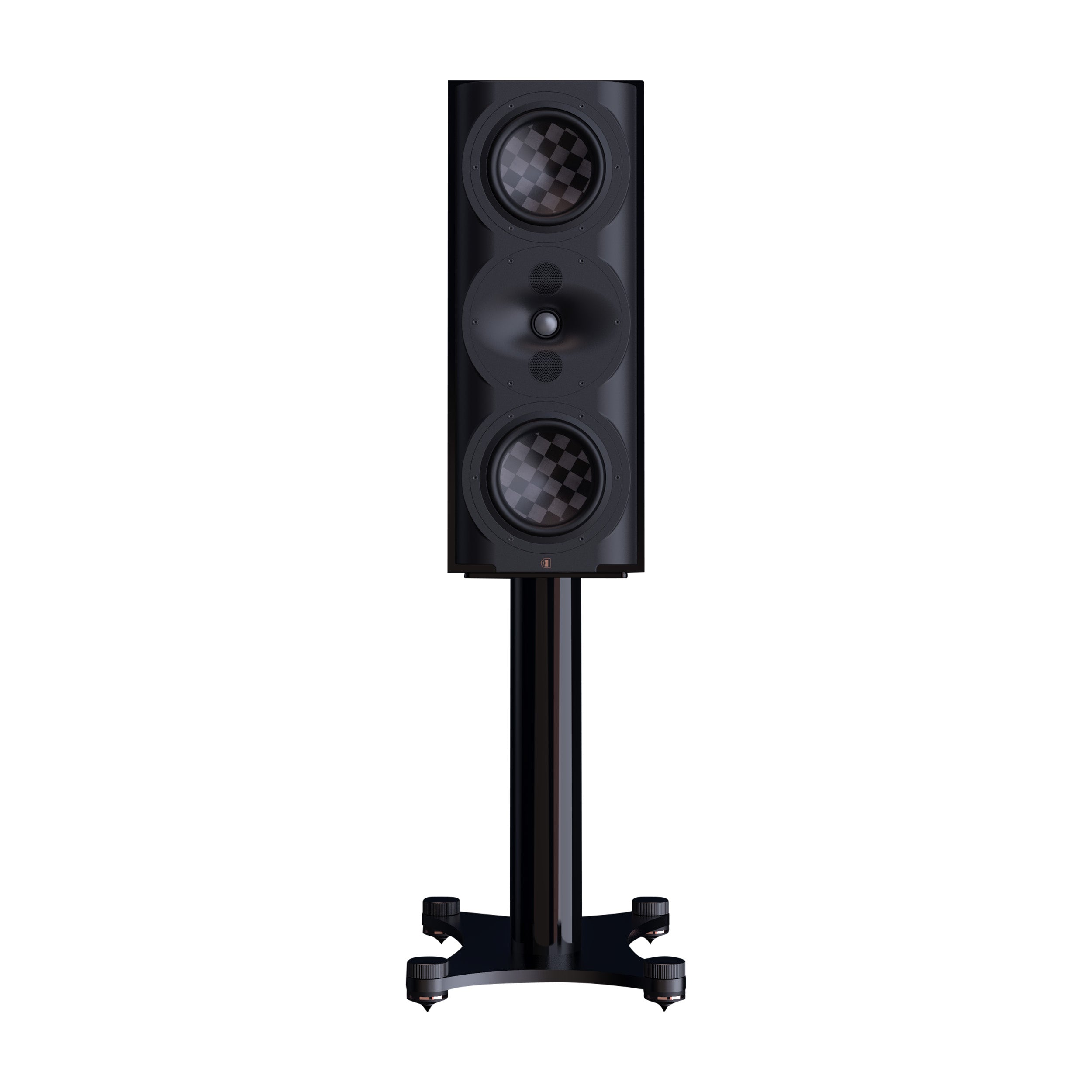
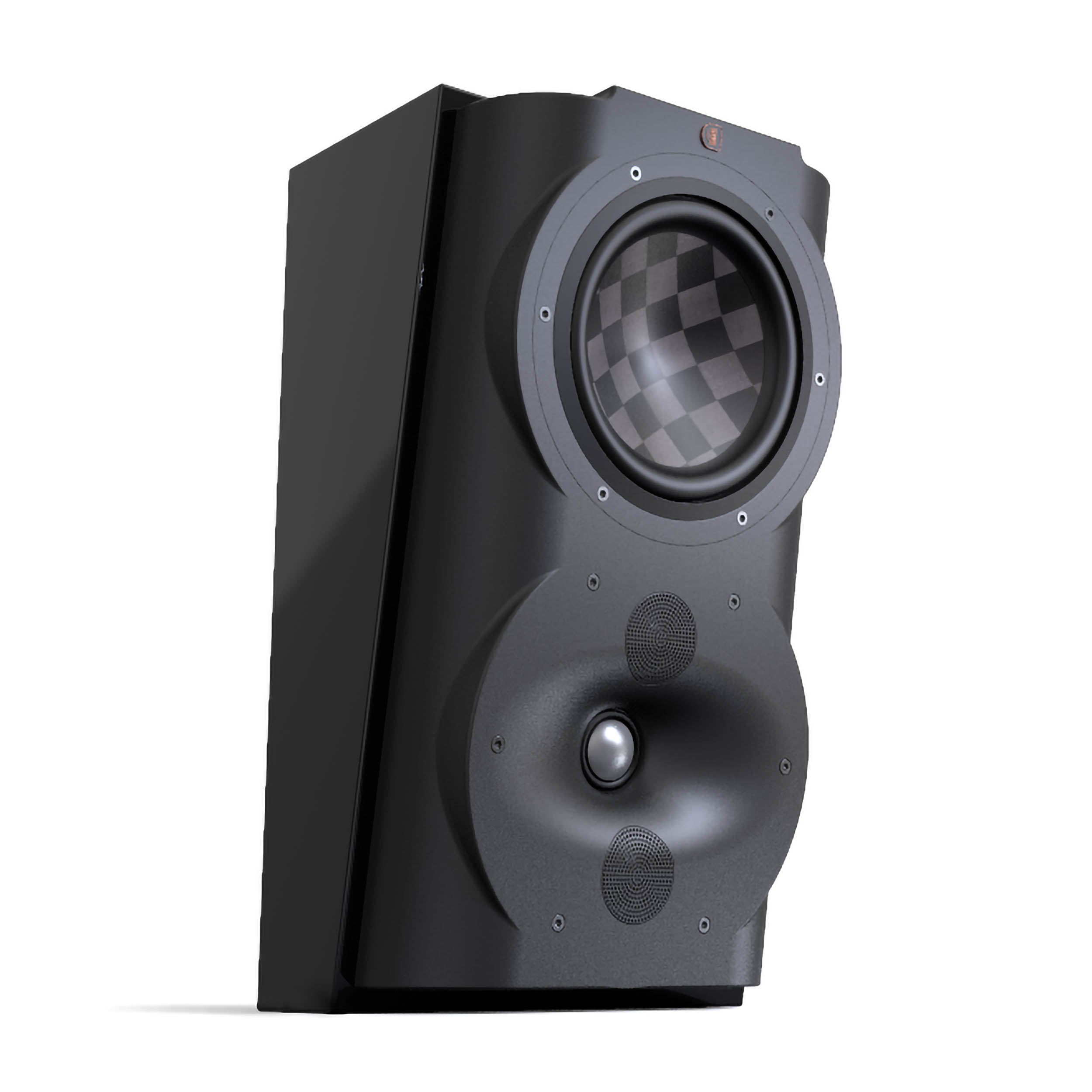
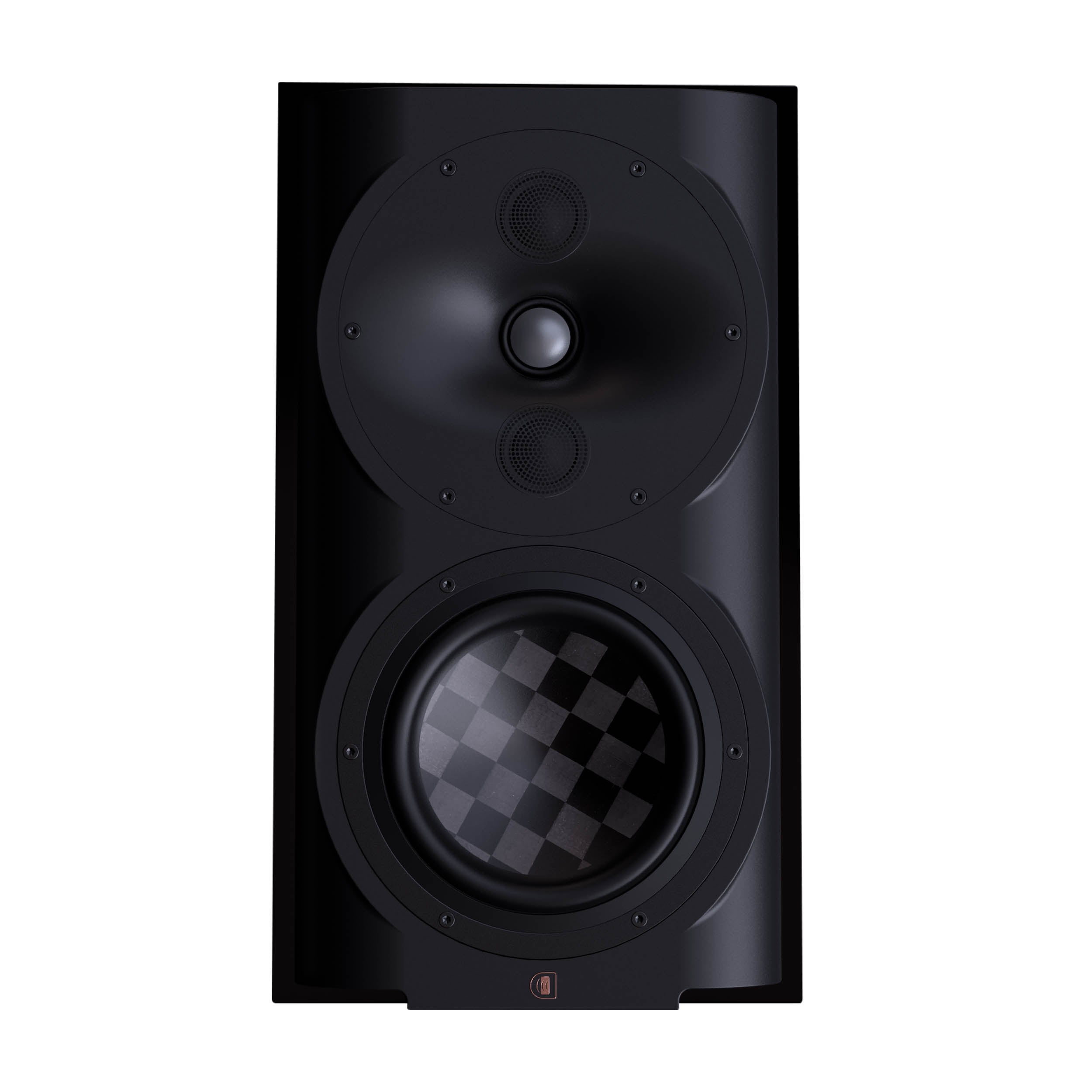
Popular compact speakers



5. The right amplifier for the speakers
It is always important that you choose the right amplifier to drive your speakers. Every speaker has a so-called “power handling” rating, which indicates how much power is needed to drive the speakers. Here, it is important that you do not have an amplifier that is too small to drive the speakers. In theory, you cannot have too much power to drive the speakers, but rather too little power. It is rarely powerful amplifiers that are to blame when speakers “burn out.” On the contrary, it is often when the amplifier is not powerful enough that the accident happens. That is why it is important that, in consultation with professionals, you choose the right amplifier for your speakers. Or conversely, choose the right speaker for your amplifier.
“Tip: Listen to our products in your own home for 30 days with a full right of return. Then you can hear how the product sounds in your surroundings with your system.”
Thomas Mørk, Owner
6. Use your speakers responsibly
No matter which speakers you buy, they can always be damaged by improper use. Therefore, play with care, and do not play louder than the point where the music still sounds good and clear. In general, it should never be necessary to play louder than a maximum of half volume on your amplifier if it matches your speakers.
Read more
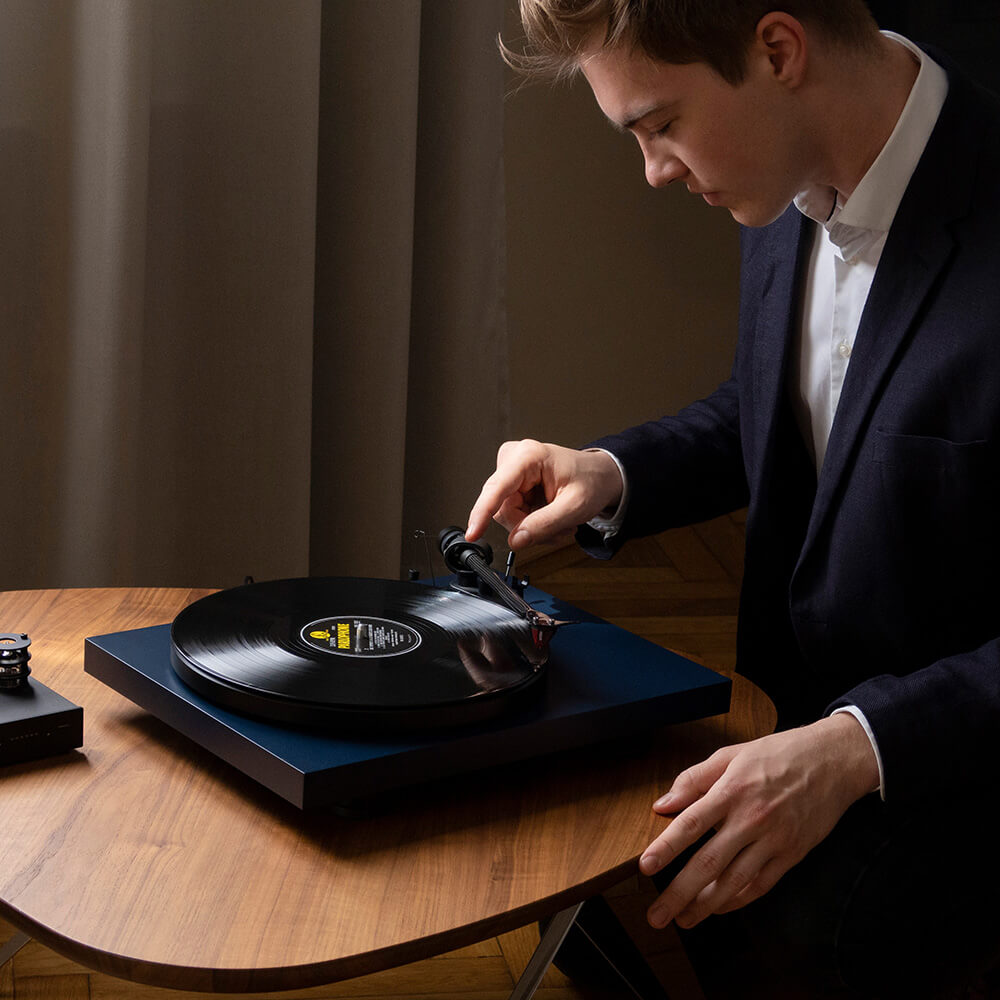
Get started with the turntable
The turntable is more popular than ever before, and for good reason. If you're new to vinyl and turntables, read on here and see how you can easily get started.
Read more
How to set up and adjust your subwoofer
A subwoofer is a fantastic addition to your sound system, but how do you set it up correctly? Get it right with our 5 easy steps to better bass.
Read more
