













Get started with the turntable

The record player is more popular than ever before, and for good reason. An incredible amount has happened since the first record player, which was called the Phonograph and invented by Thomas Edison in 1877. Back then, the record player made a mechanical playback of a disc made of asbestos and shellac, and the sound went from the pickup out into a horn that acted as a speaker. Recording worked the other way around, with the music being picked up by the horn, which sent the music down to a cutting needle that made the grooves that would later be played back.
Fast forward to today, where record players sound better than ever, have become easier to get started with, and records are now made entirely of completely harmless vinyl. The playback of the groove is the same, but the movements of the pickup are now converted into electricity, which is generated in the pickup and sent on to an amplifier. This makes the sound reproduction so good that many perceive it as the very best.
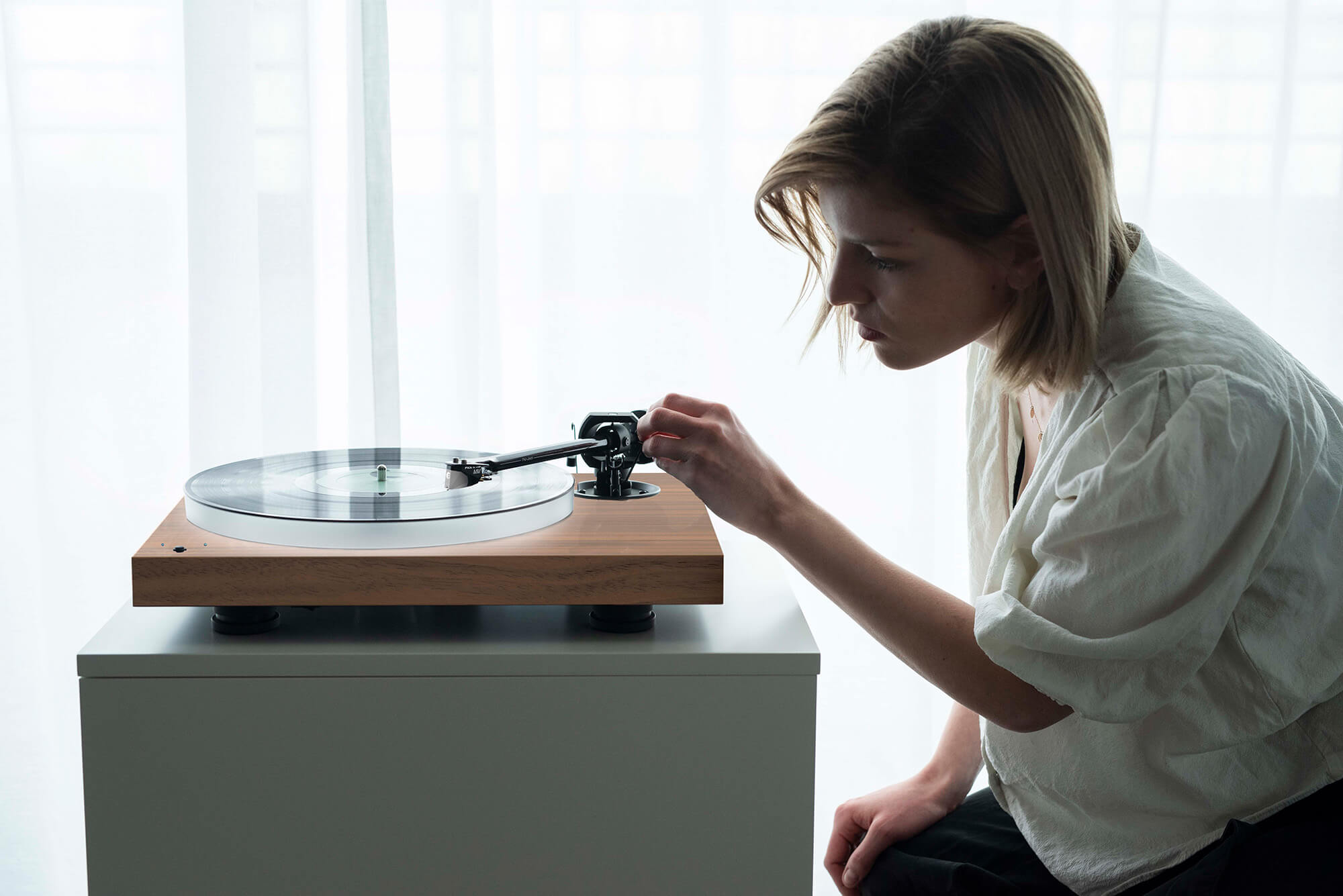
How to get started
You can start with a turntable for DKK 3,000 and get a really nice all-round sound reproduction, along with easy setup and simple operation. Some expensive turntables depend on you having experience and skill with setup, as they almost come as kits, where you then, with a headlamp, a wet newspaper, and a ruler, can make the adjustments yourself. But you can also choose a top turntable from one of the manufacturers that has the expertise and equipment to deliver the turntable adjusted exactly as it should be. The days when turntables were complicated are over.
READ ALSO: Set up your turntable correctly
Why should I buy a record player?
A turntable of good quality can deliver a sound you rarely hear from sources like streaming or CD. The turntable has a distinctly warm and analog sound, and that is why you will often find that your mind relaxes and you get a different and better experience of the music. The turntable is also a faithful and reliable player that does not depend on the internet, a Bluetooth connection, or other black magic that we have no control over. The turntable plays when you lower the cartridge onto the record, quite simply.
With a turntable, you can also dive into millions of LPs from back when music was in original master quality and not copied. The fact that LPs can be bought for modest amounts today, and that LPs are still being released, all helps make the turntable a modern and attractive way to reproduce music.
Finally, there is the concept of focus. Today we can both watch TV and listen to music through all kinds of streaming devices, and yet we do not really “hear” the music. It just plays in a constant stream, whether we are working out, cooking, or sleeping. The turntable, on the other hand, demands your attention, and just the fact that you have to find the record and put it on the turntable is often enough to bring you into a state of calm and focus that is necessary for you to get the full experience of what the musicians intended with the music.
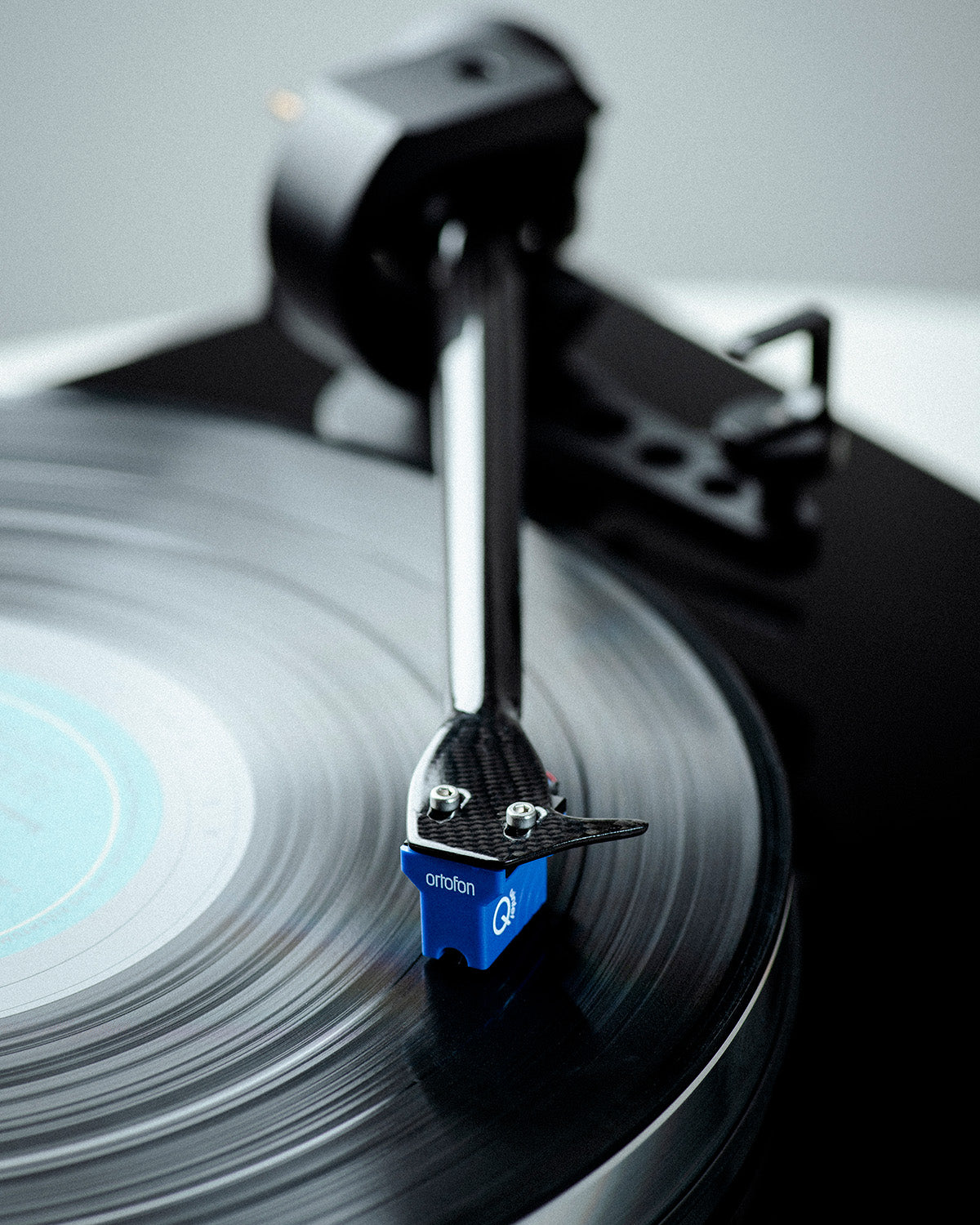
Ortofon Quintet Blue MC
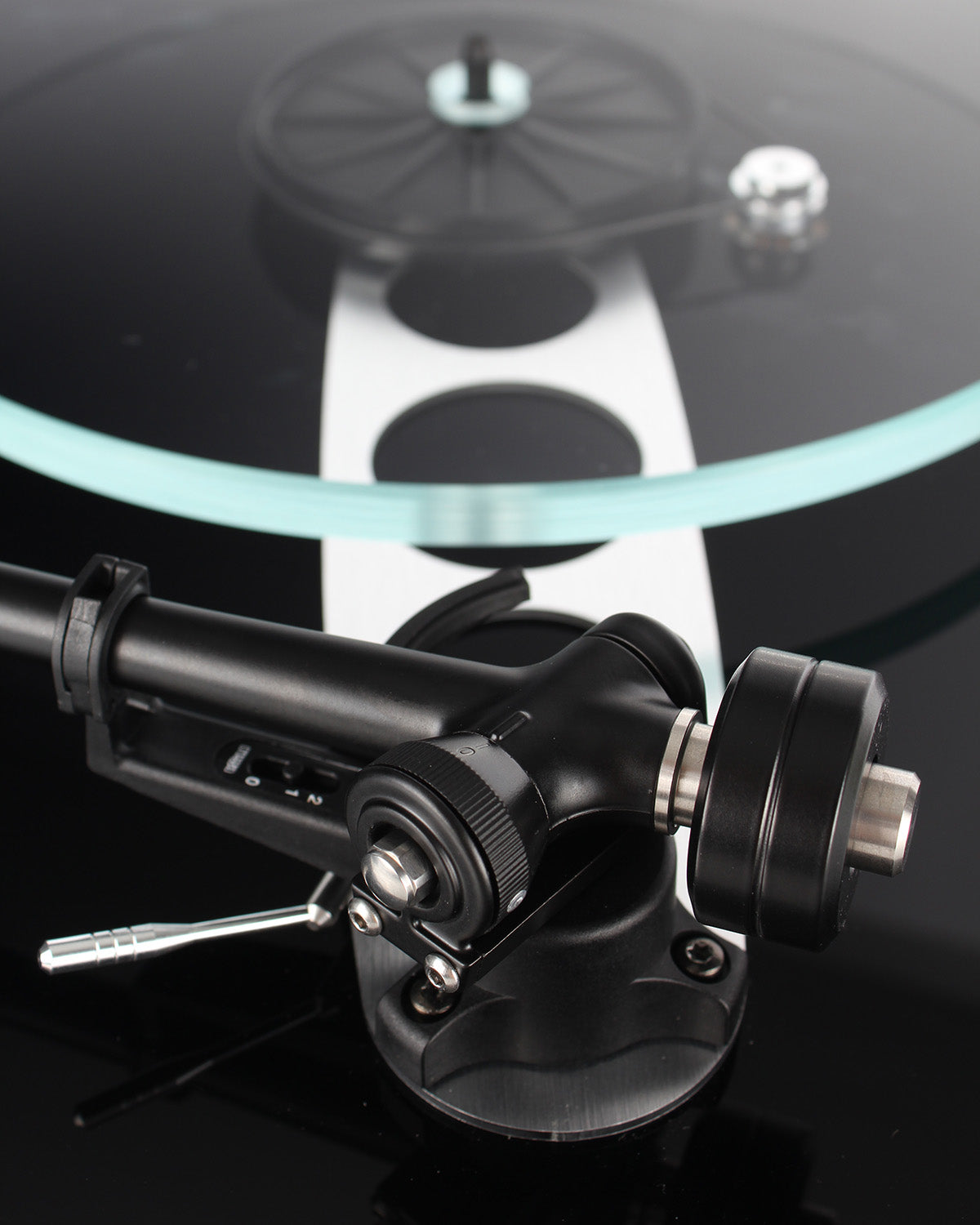
Rega RB-330 Tonearm
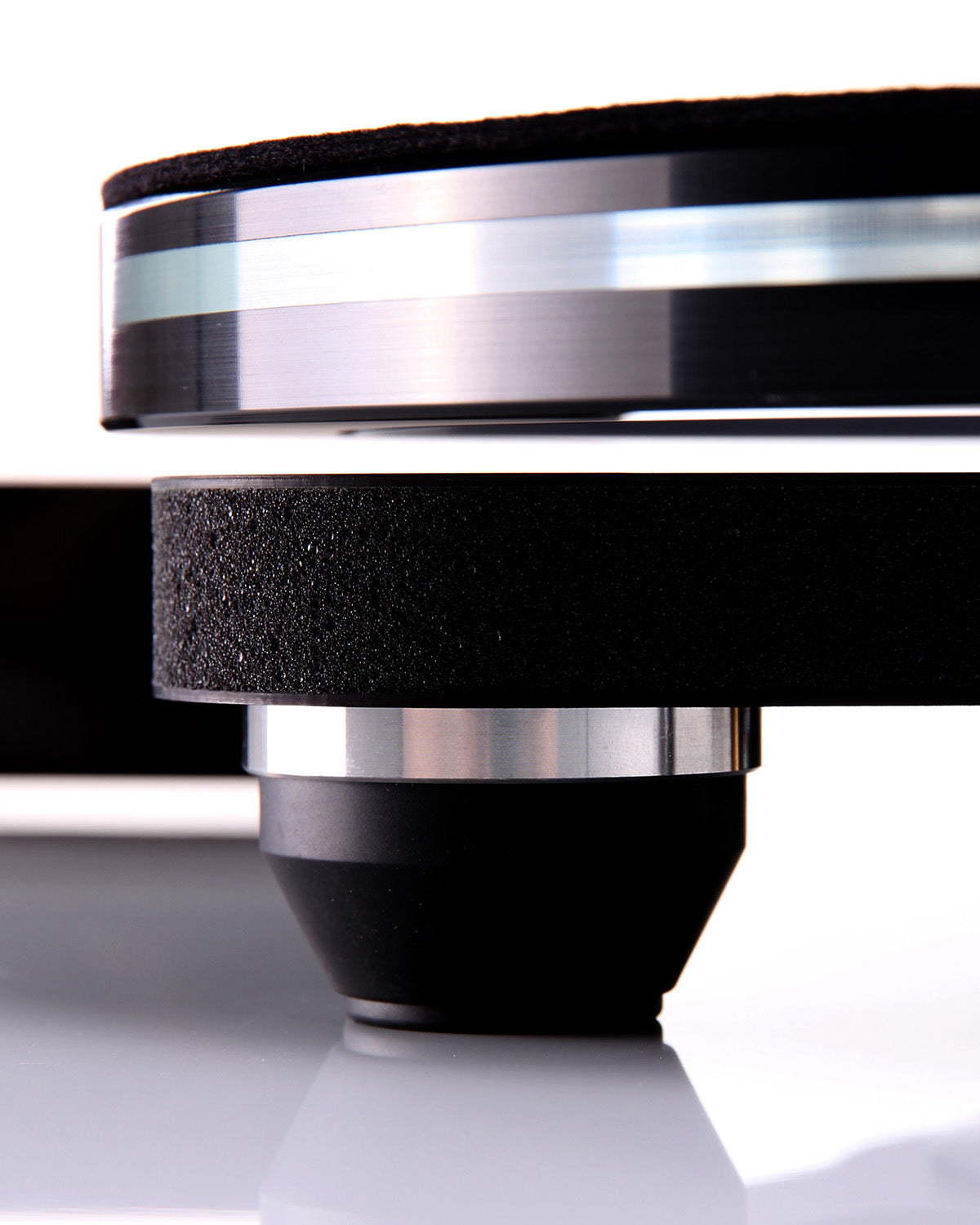
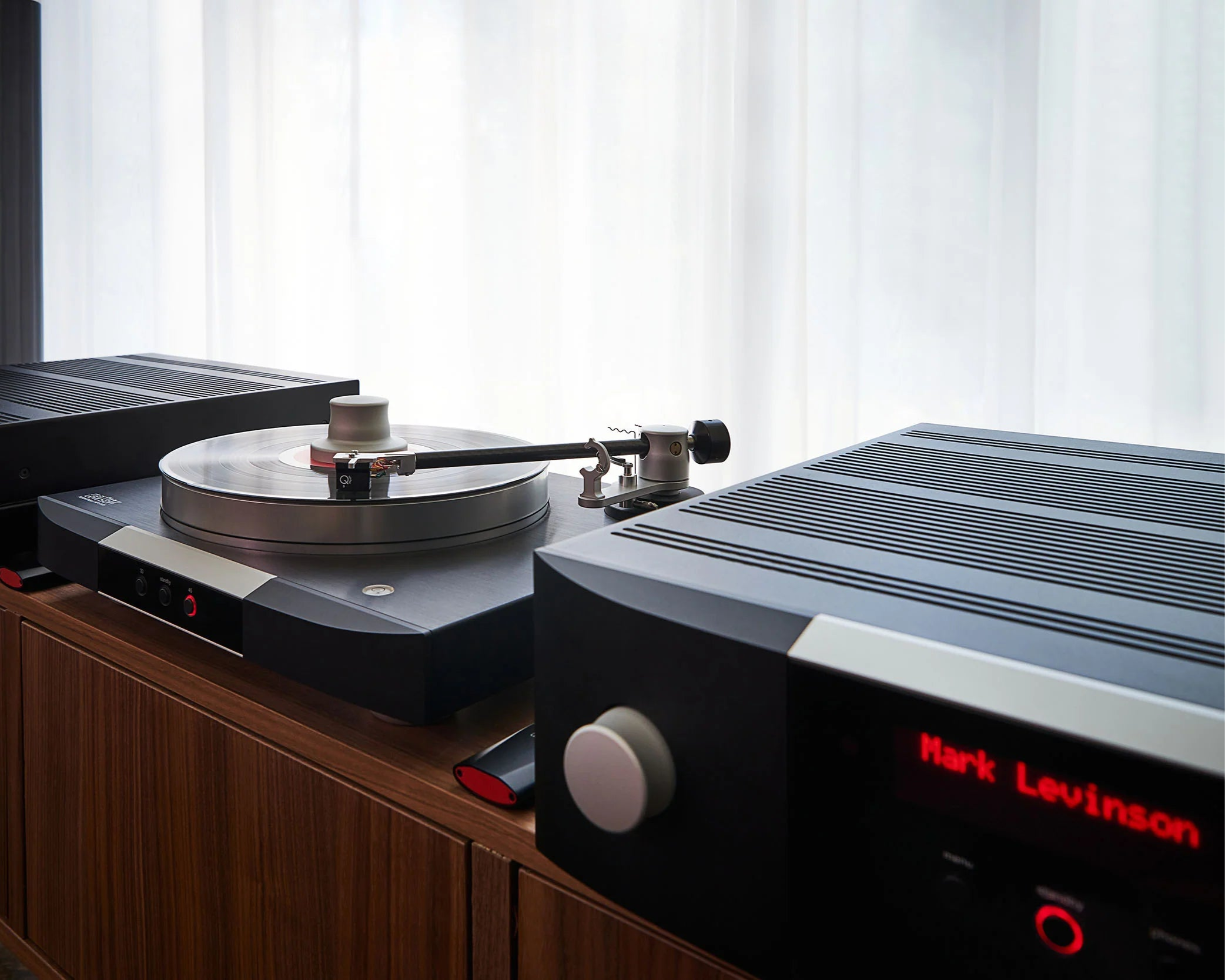
Rega Planar 8
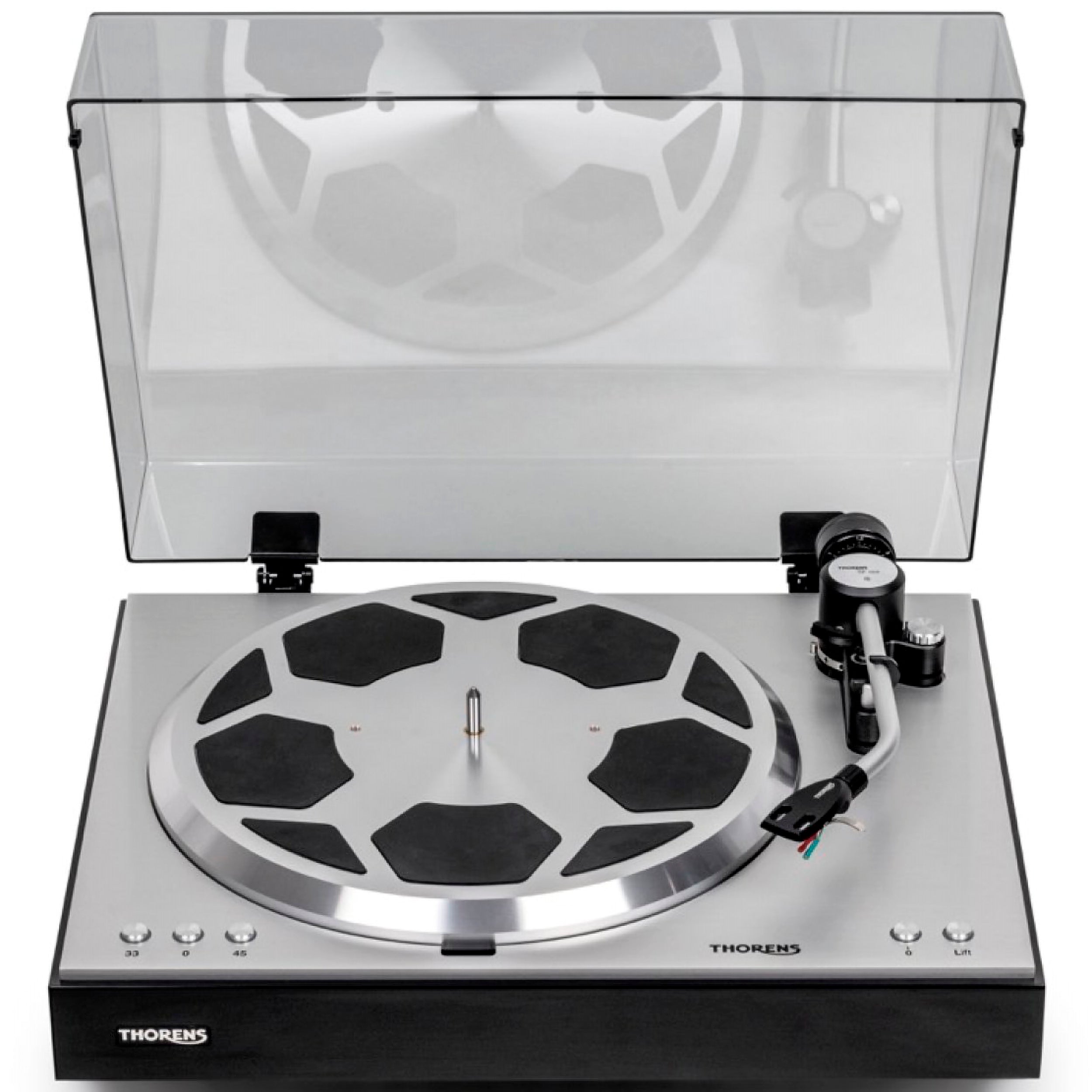
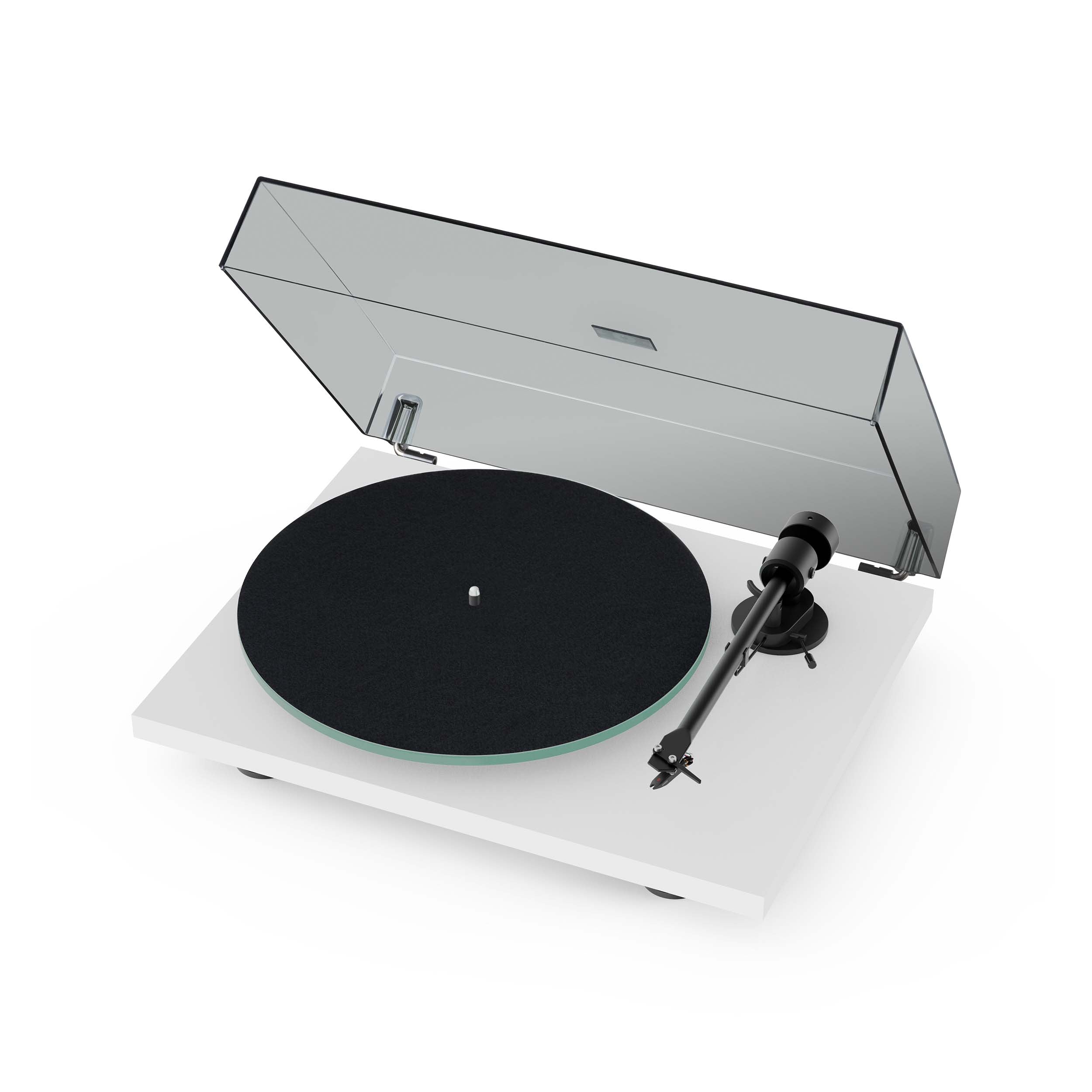
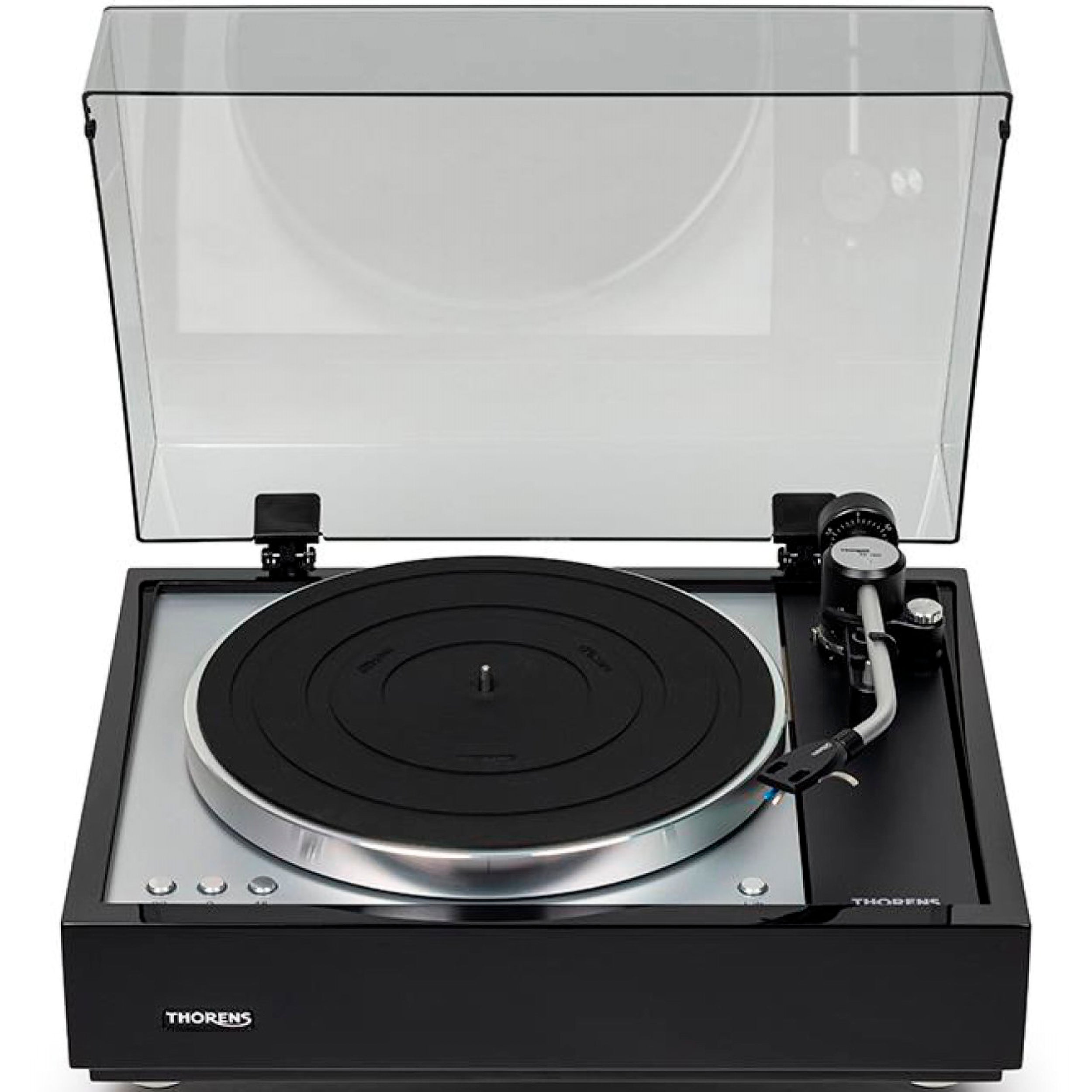
Which turntable should I choose?
You can get a perfectly decent turntable for 3,000 DKK, just as you can get turntables at absurd prices. Basically, the difference between cheap and expensive turntables should be that the more expensive they are, the more precise, quiet, and great-sounding they are. And precision is important when you are dealing with groove movements down to just a few thousandths of a millimeter.
You are free to choose between “plug and play” solutions, where the manufacturer has fitted the cartridge, or self-assembly solutions, where it is necessary to know what you are doing when the turntable is being set up. Get advice from us before you buy, so you get exactly the right match for your system and your needs.
What is the difference between an expensive and a cheap record player?
Typically, it will have a better tonearm, better motor, better platter, and better plinth. Better means less play, less noise, and higher precision, all to read the record without affecting the sound with flaws such as distortion and poor speed stability. An expensive turntable is not necessarily better than a cheap one, which makes it wise to have them demonstrated in the shop. Within a brand, however, one must assume that the most expensive is the best.
A rule of thumb is that the more automation you get for a given price, the worse the sound will be compared with a manual turntable in the same price range.
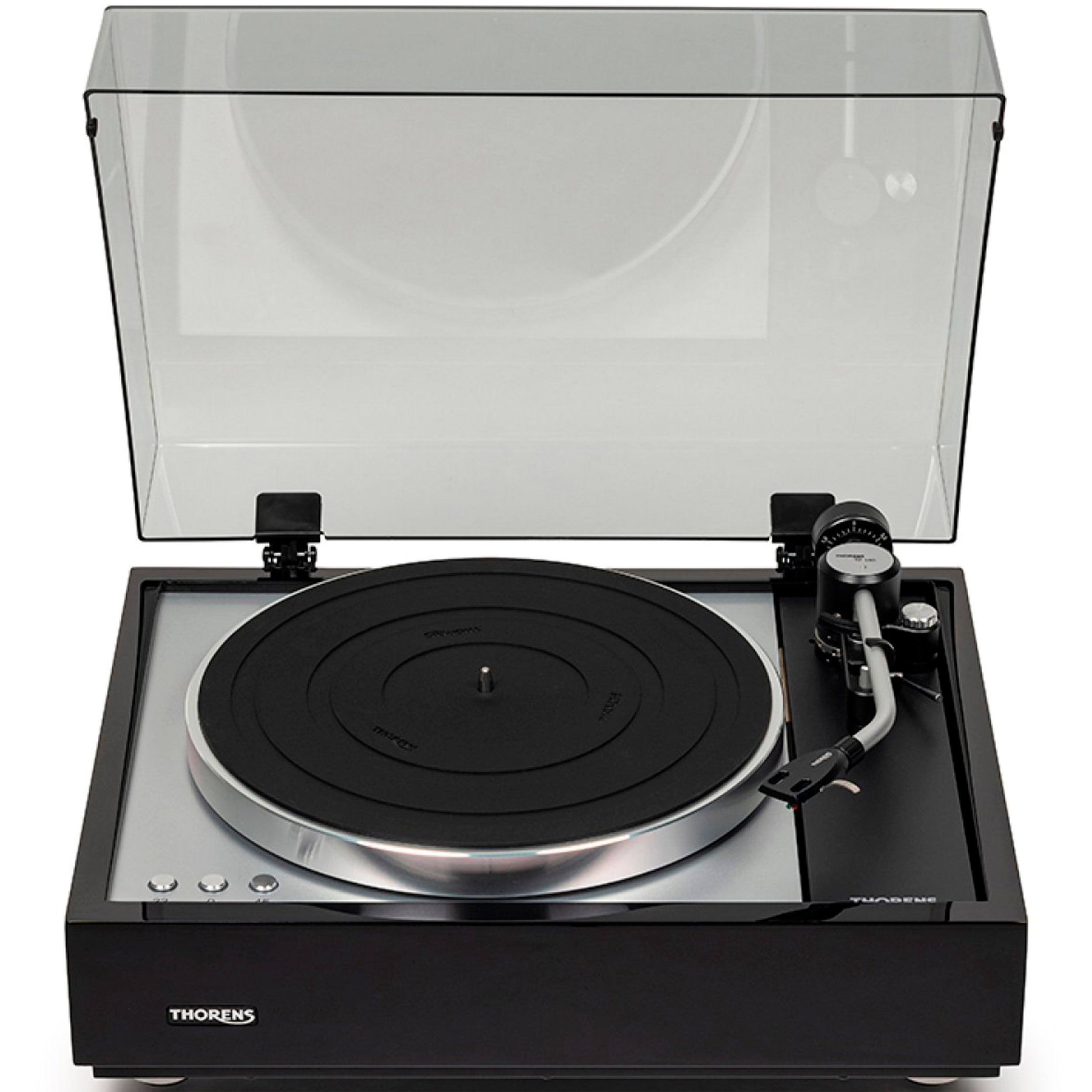
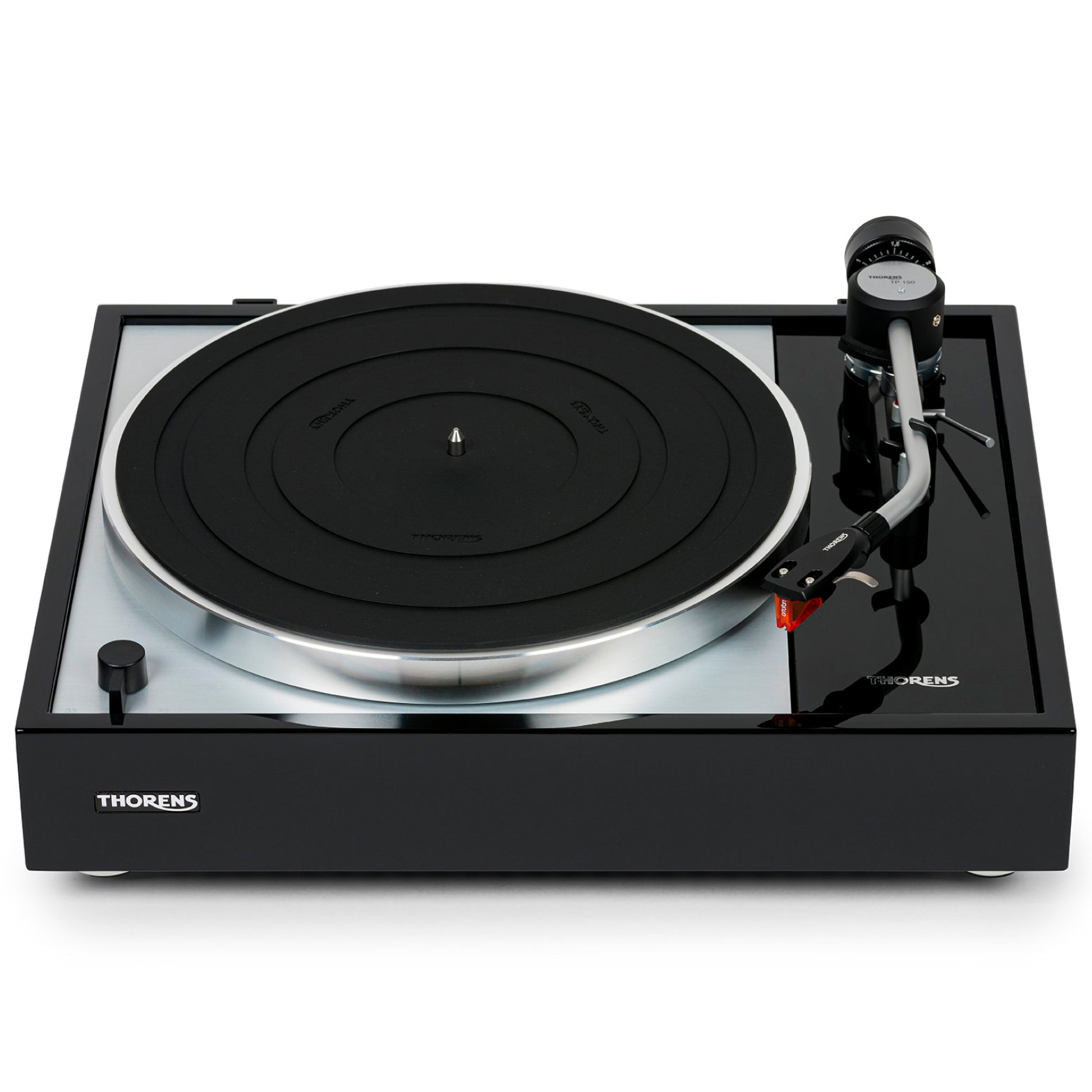
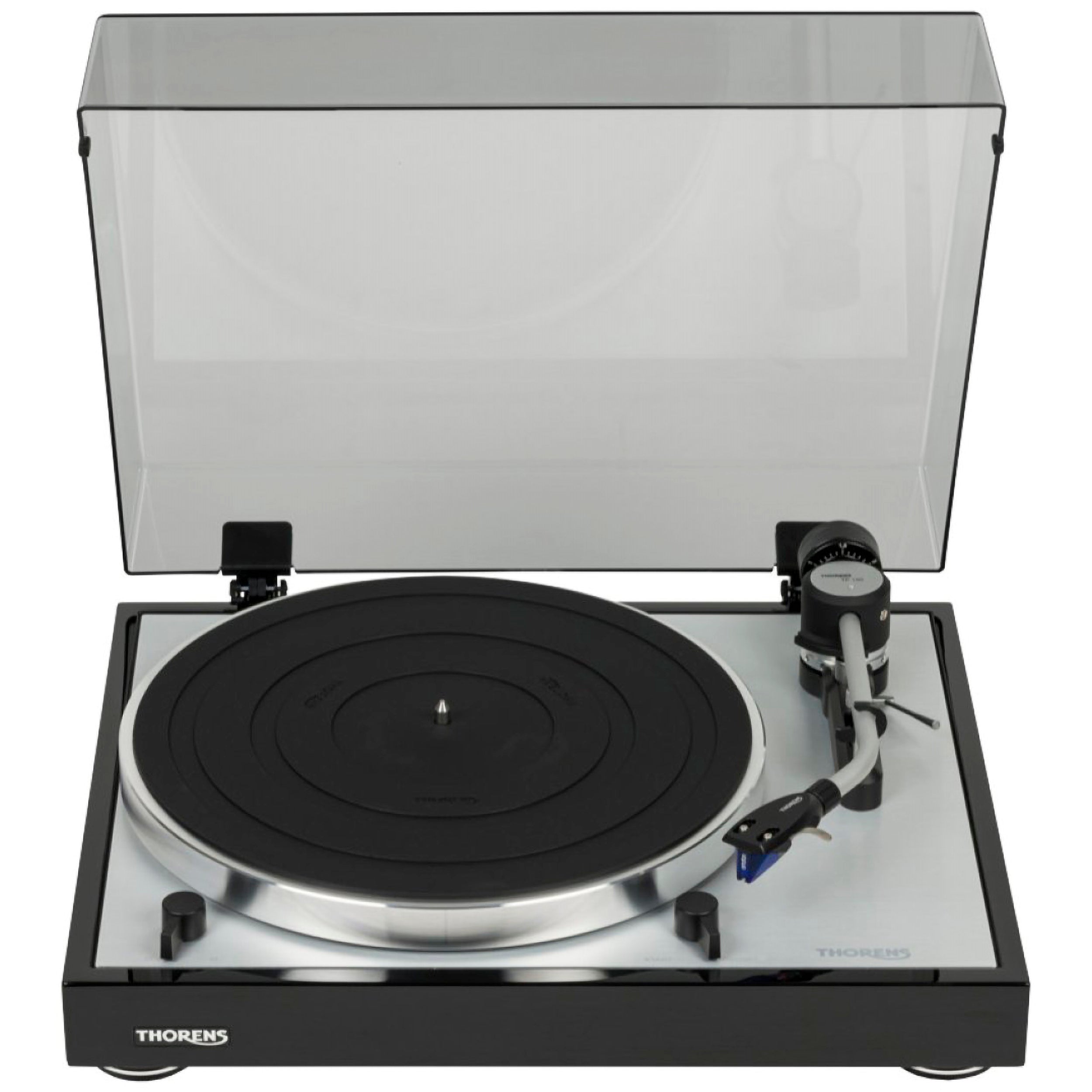
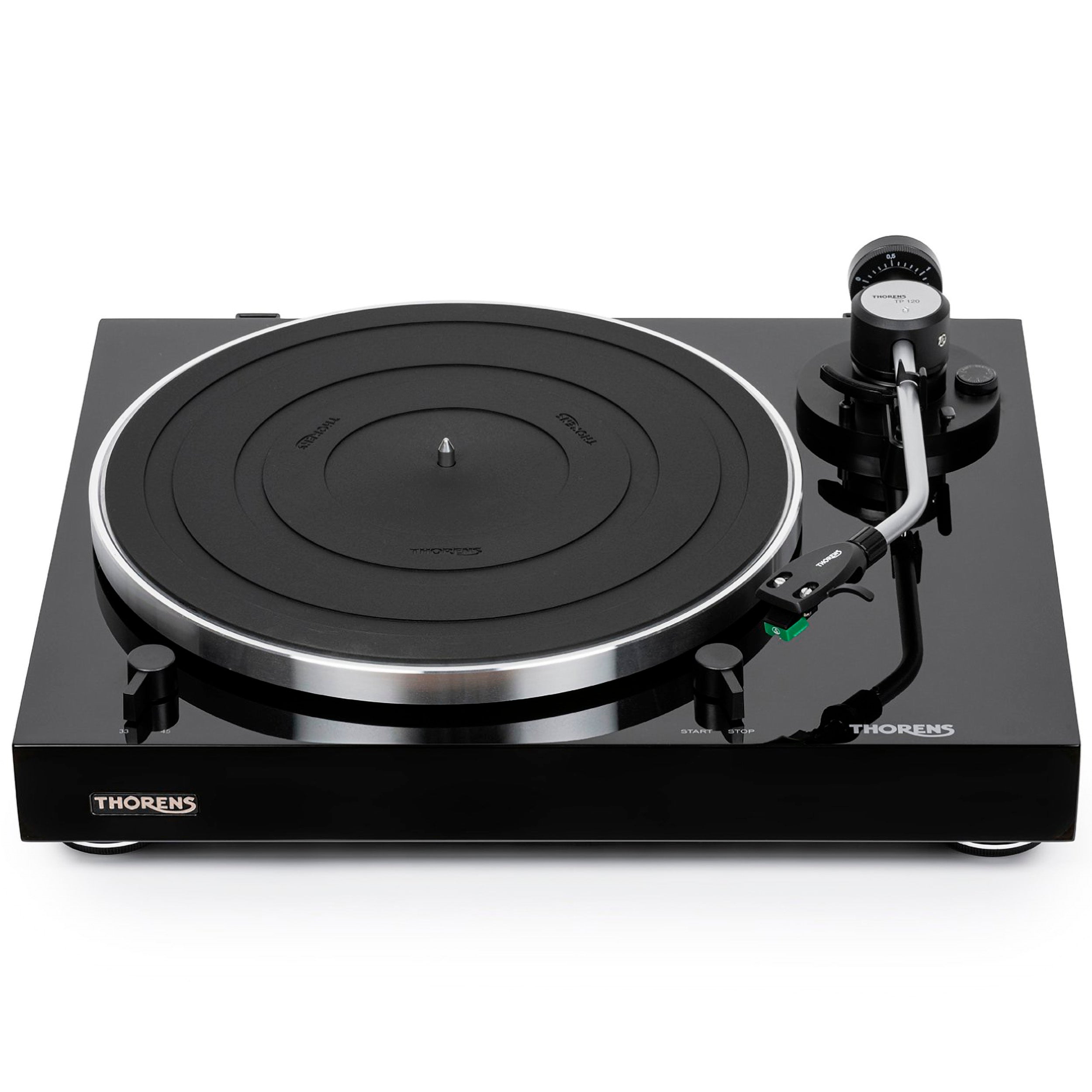
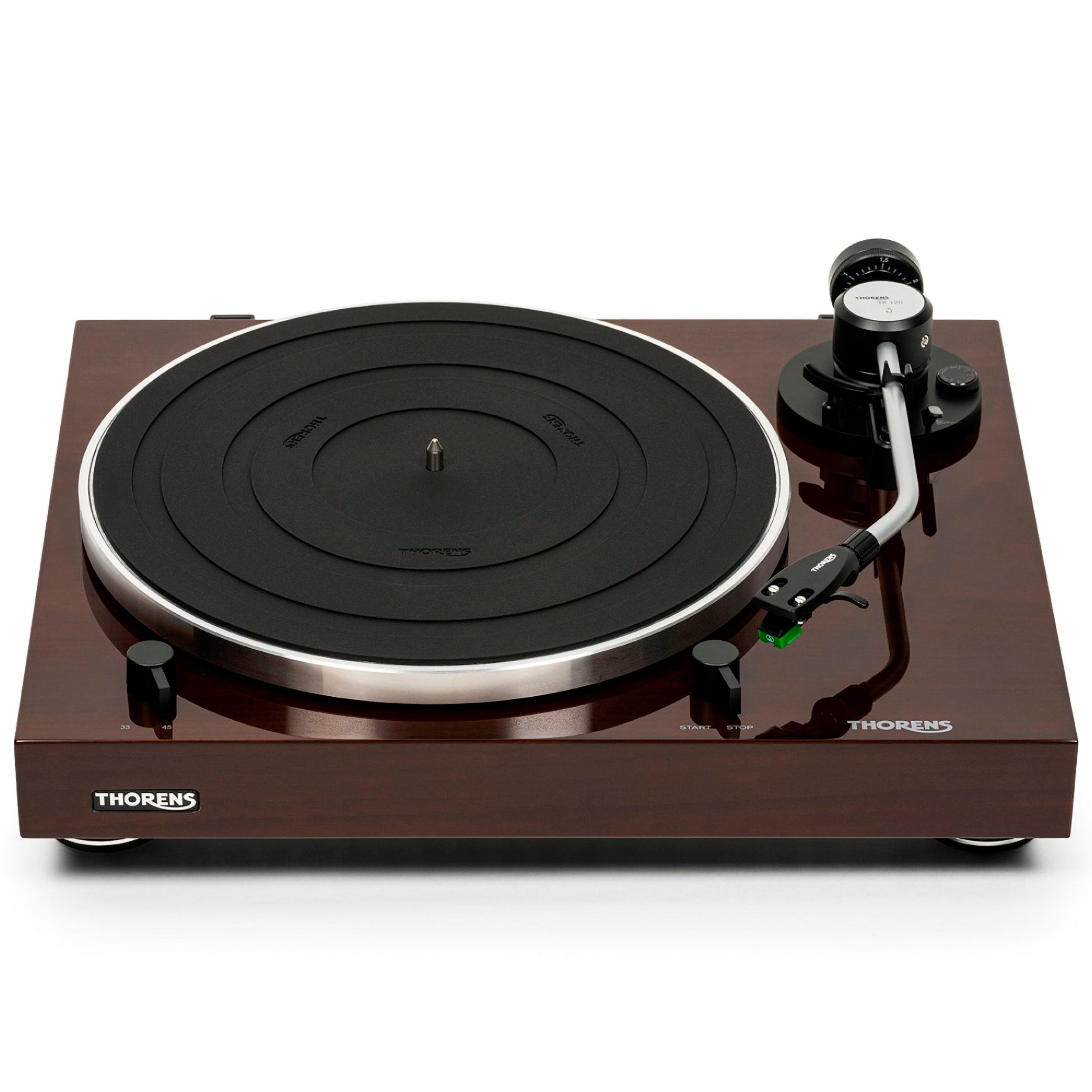
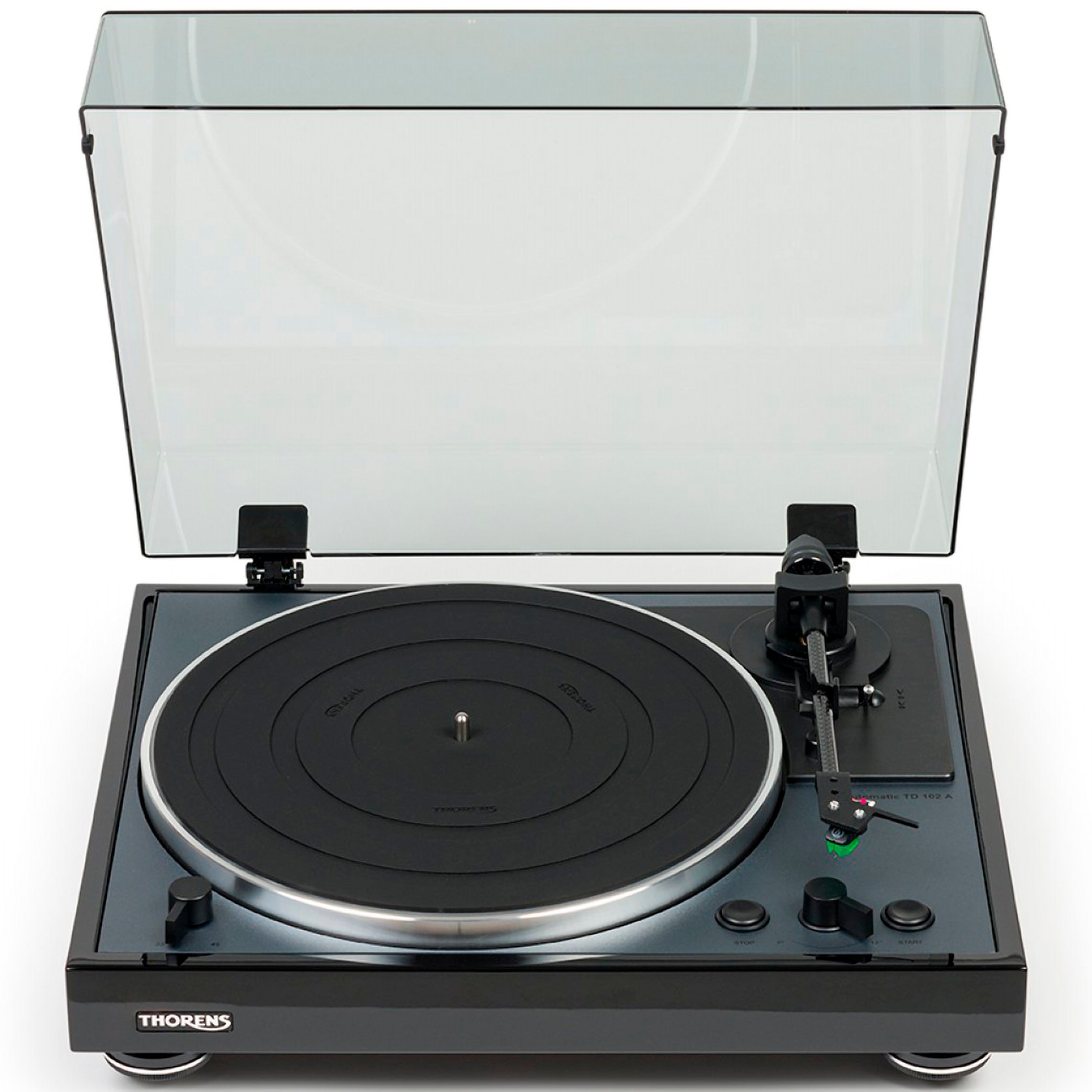
Turntables for every need


Cartridges - pamper your turntable
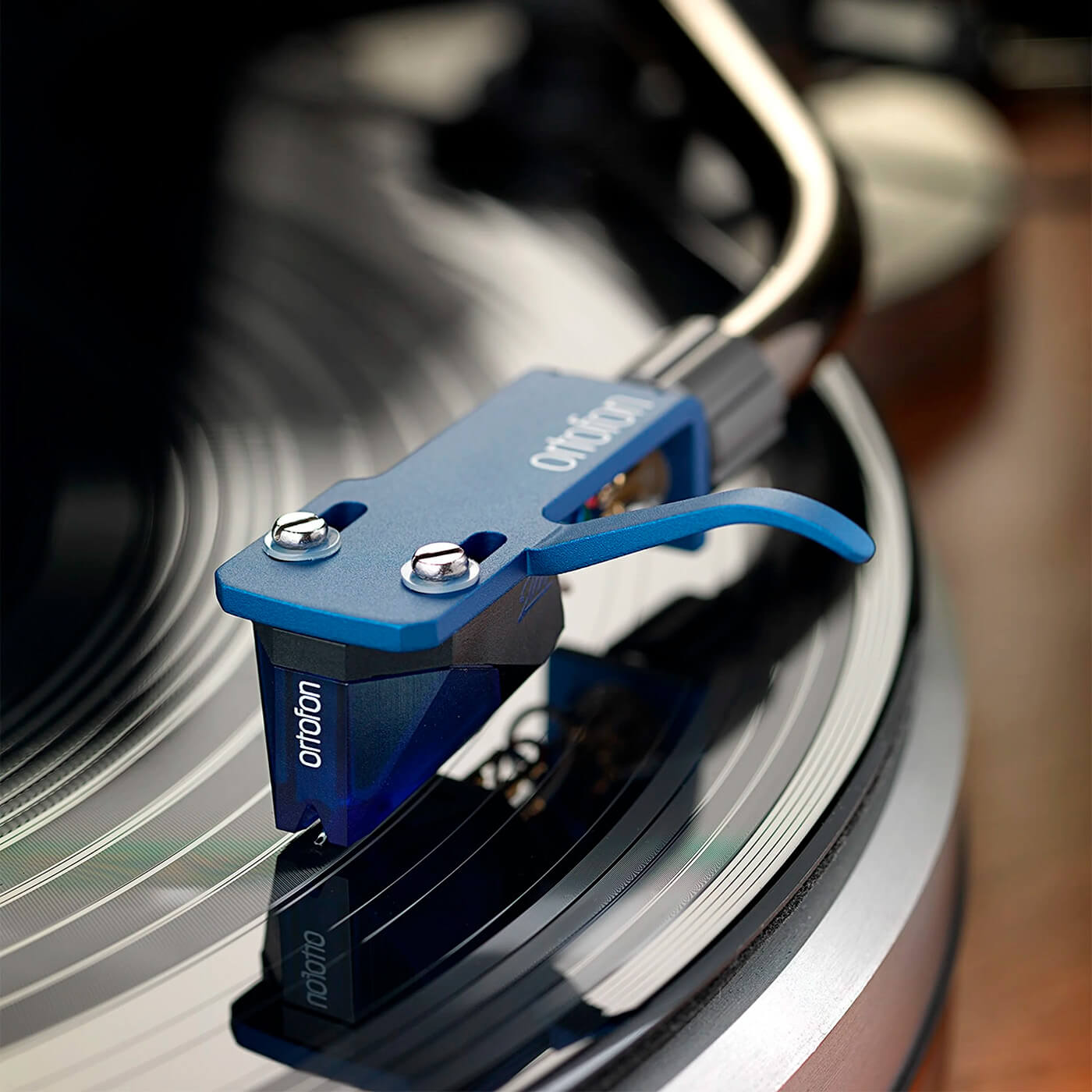
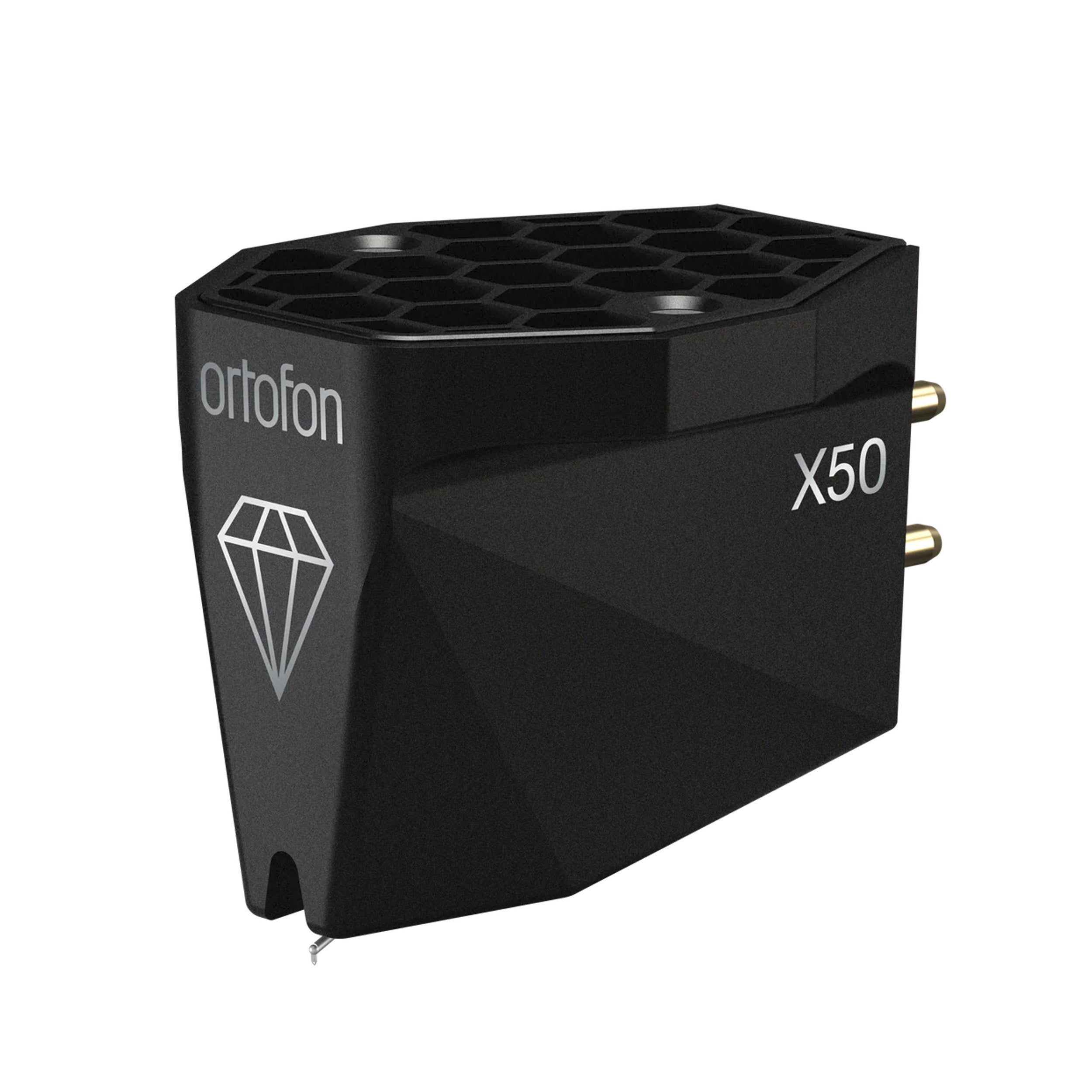
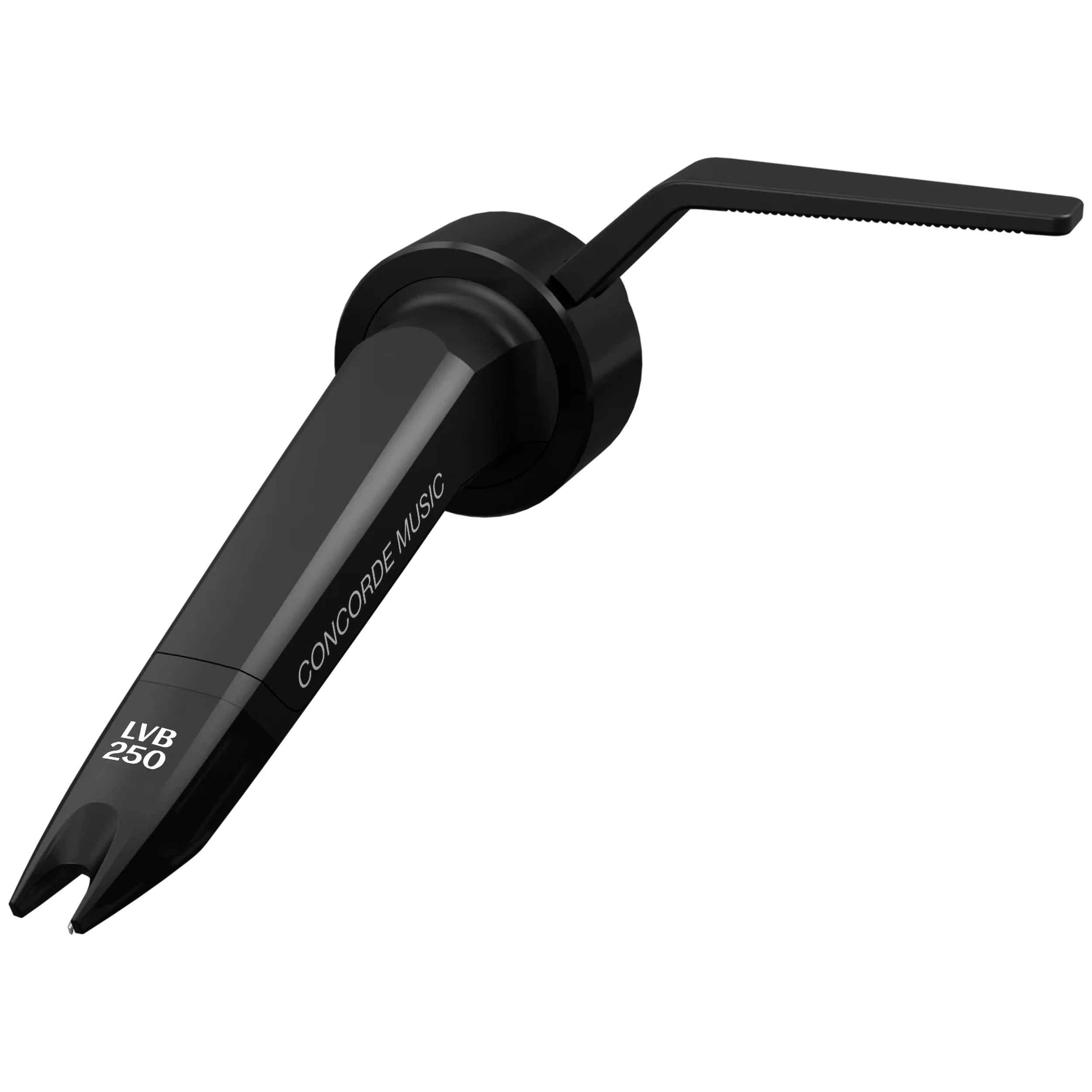
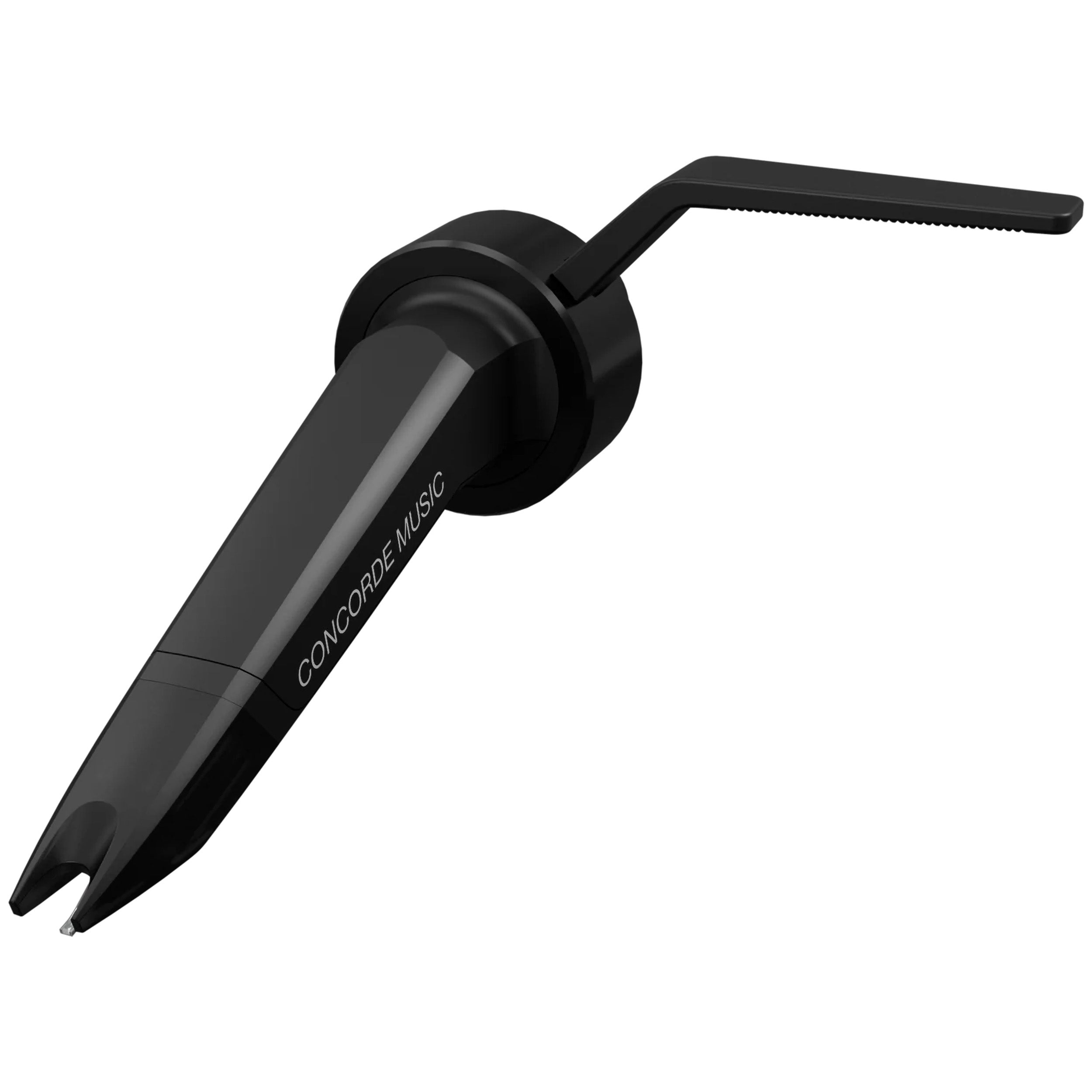
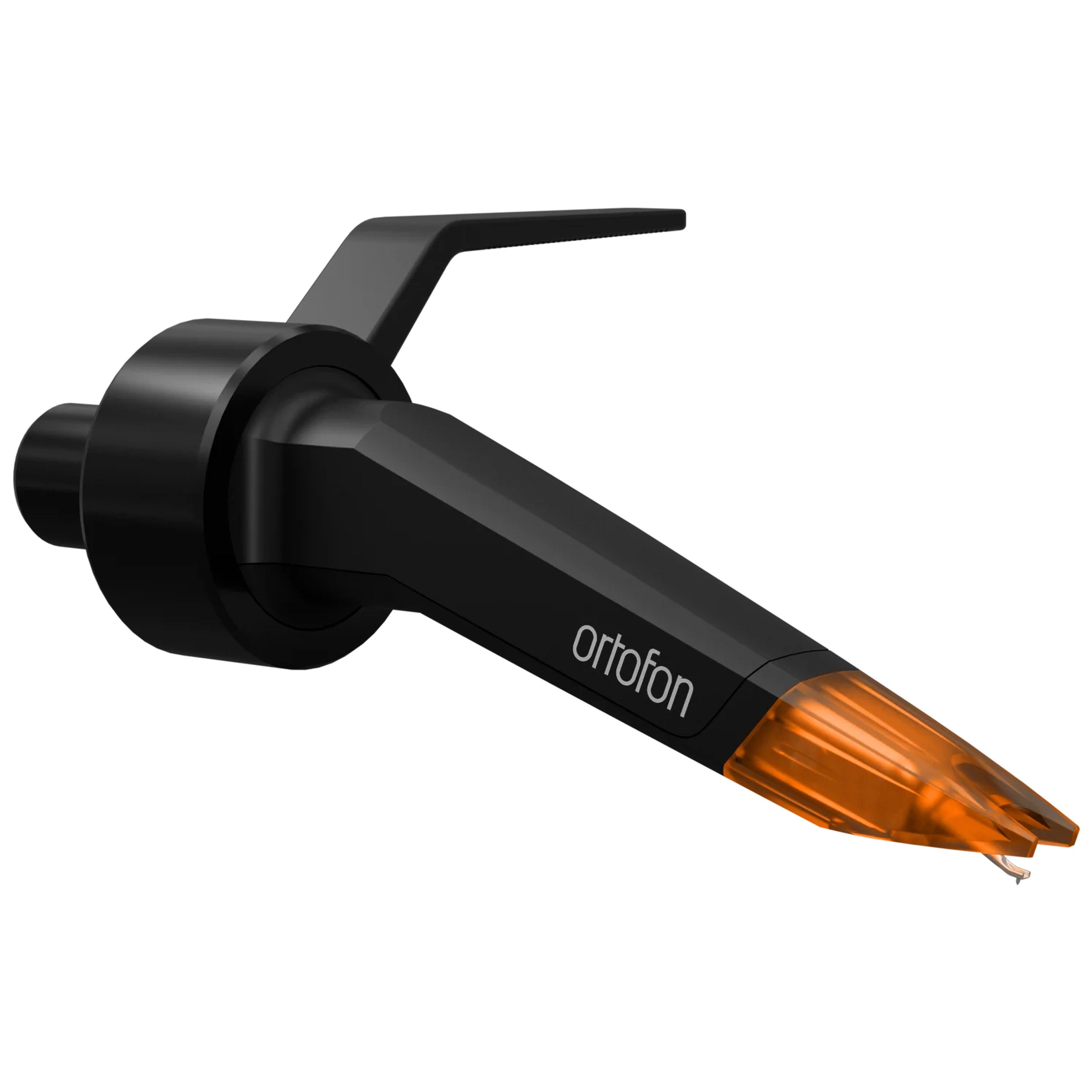
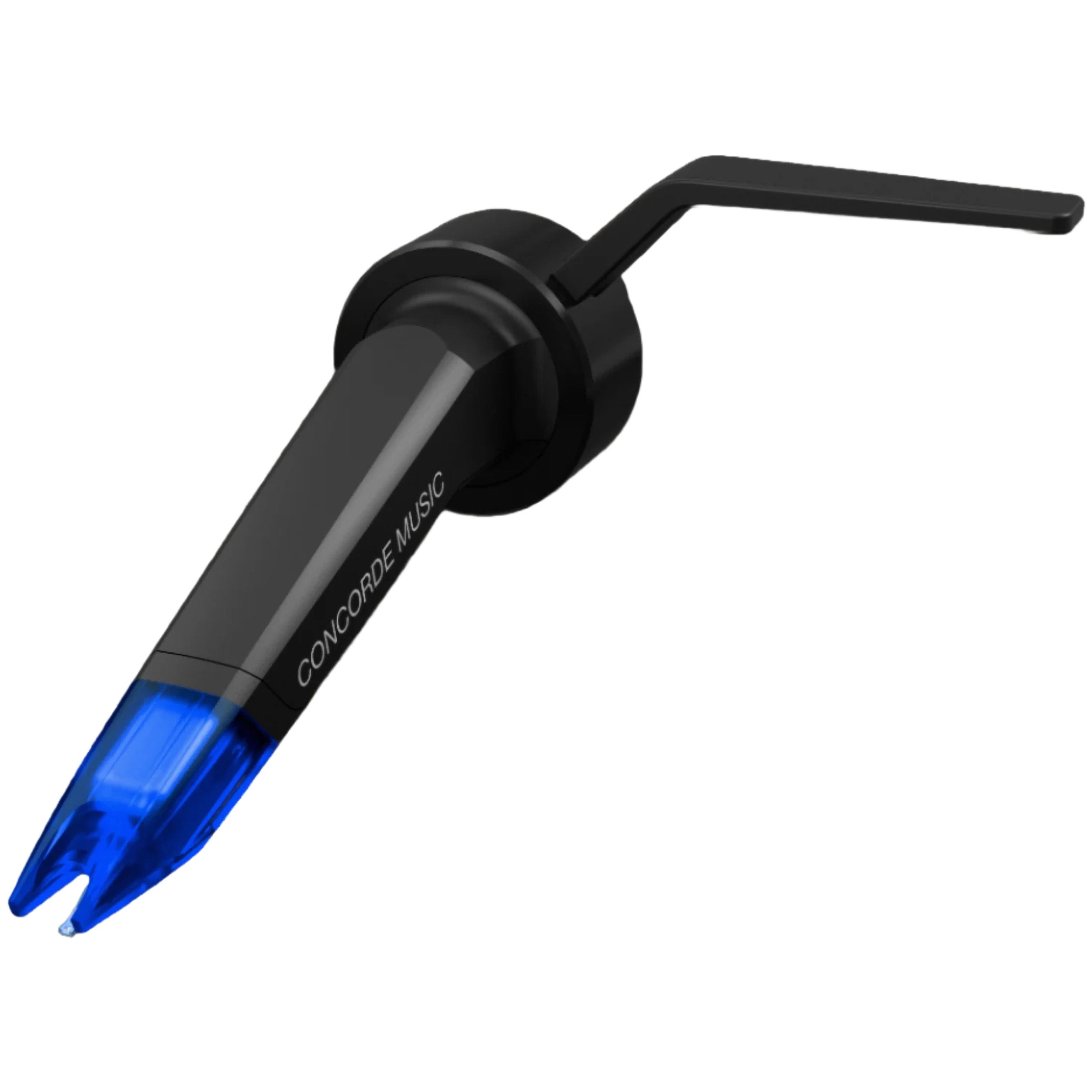
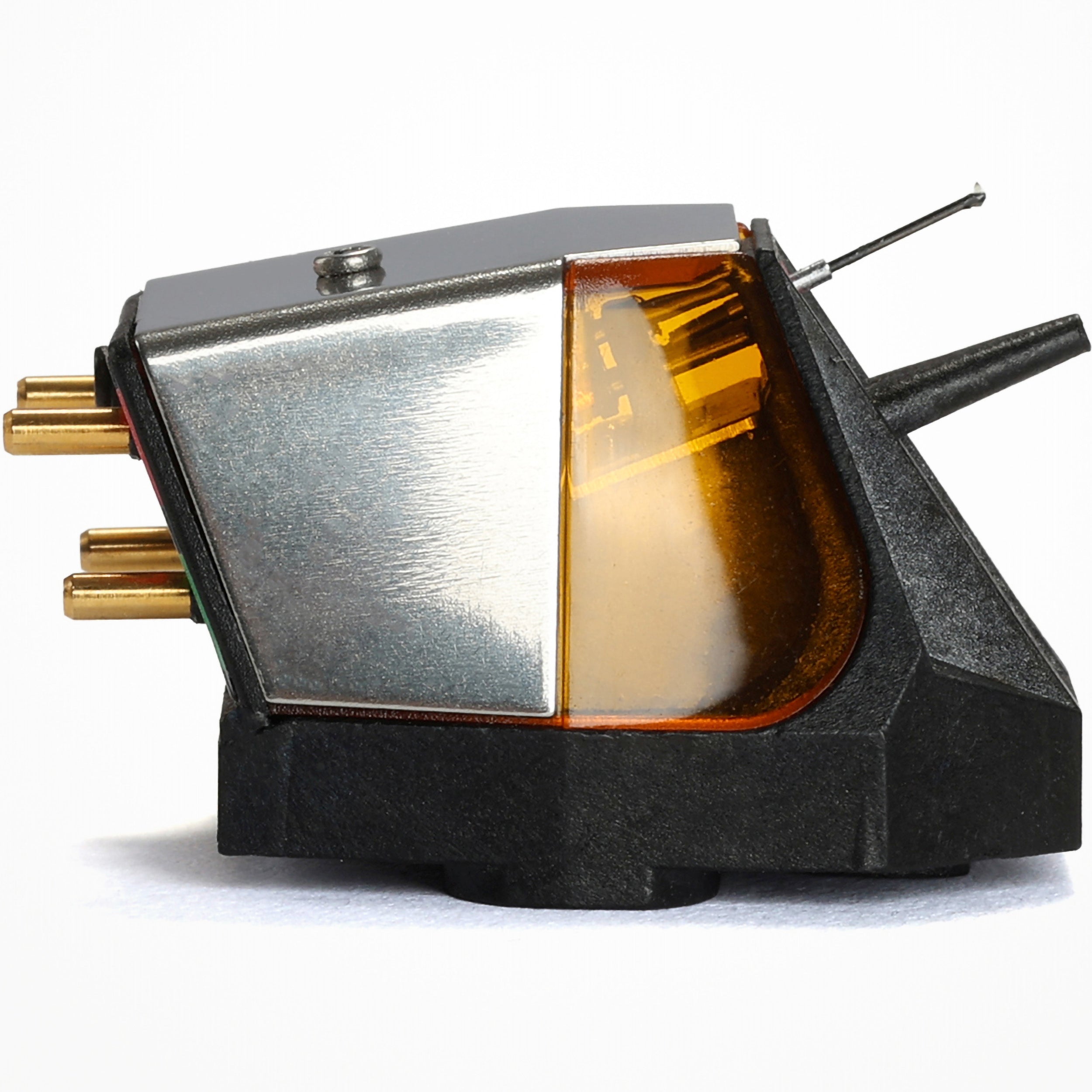
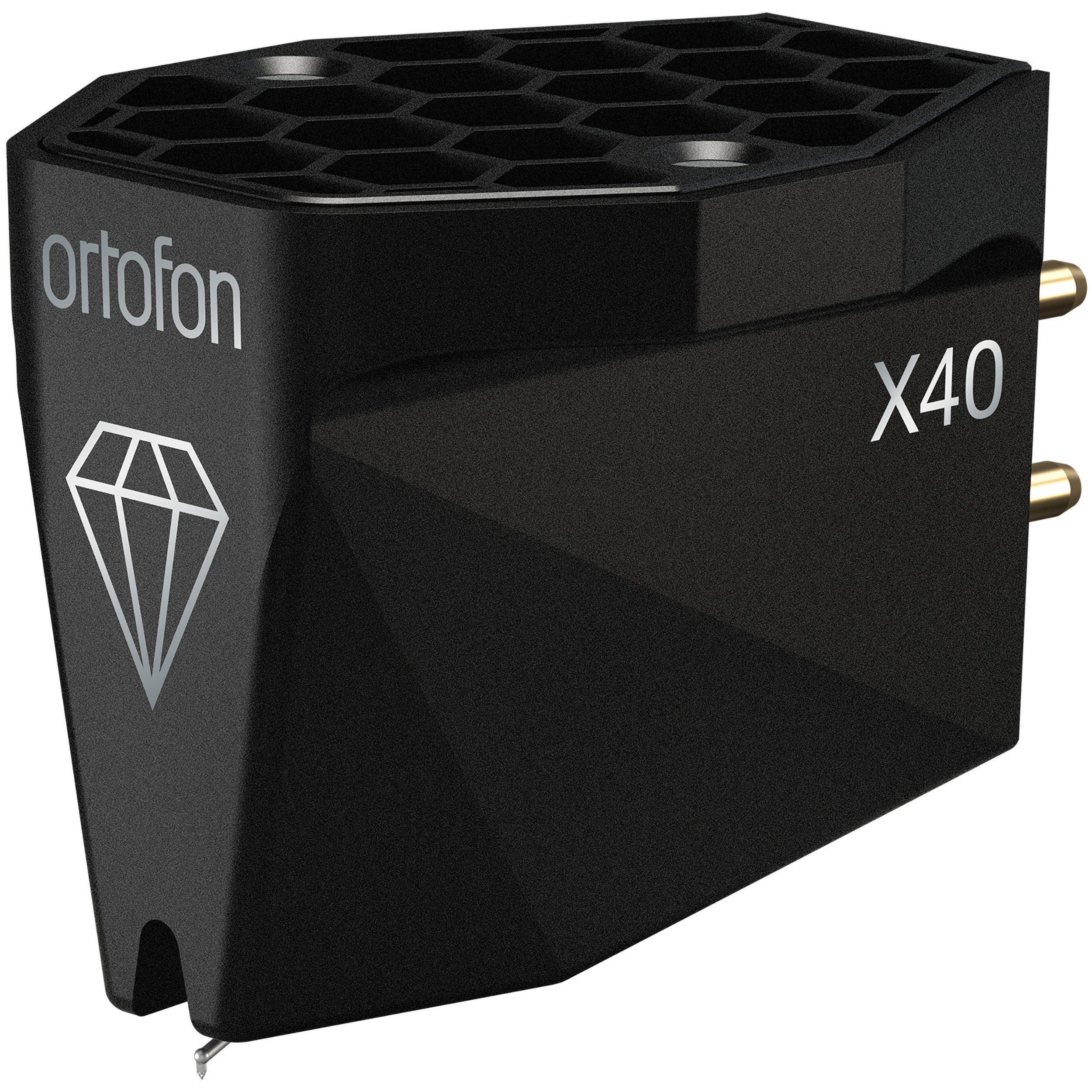
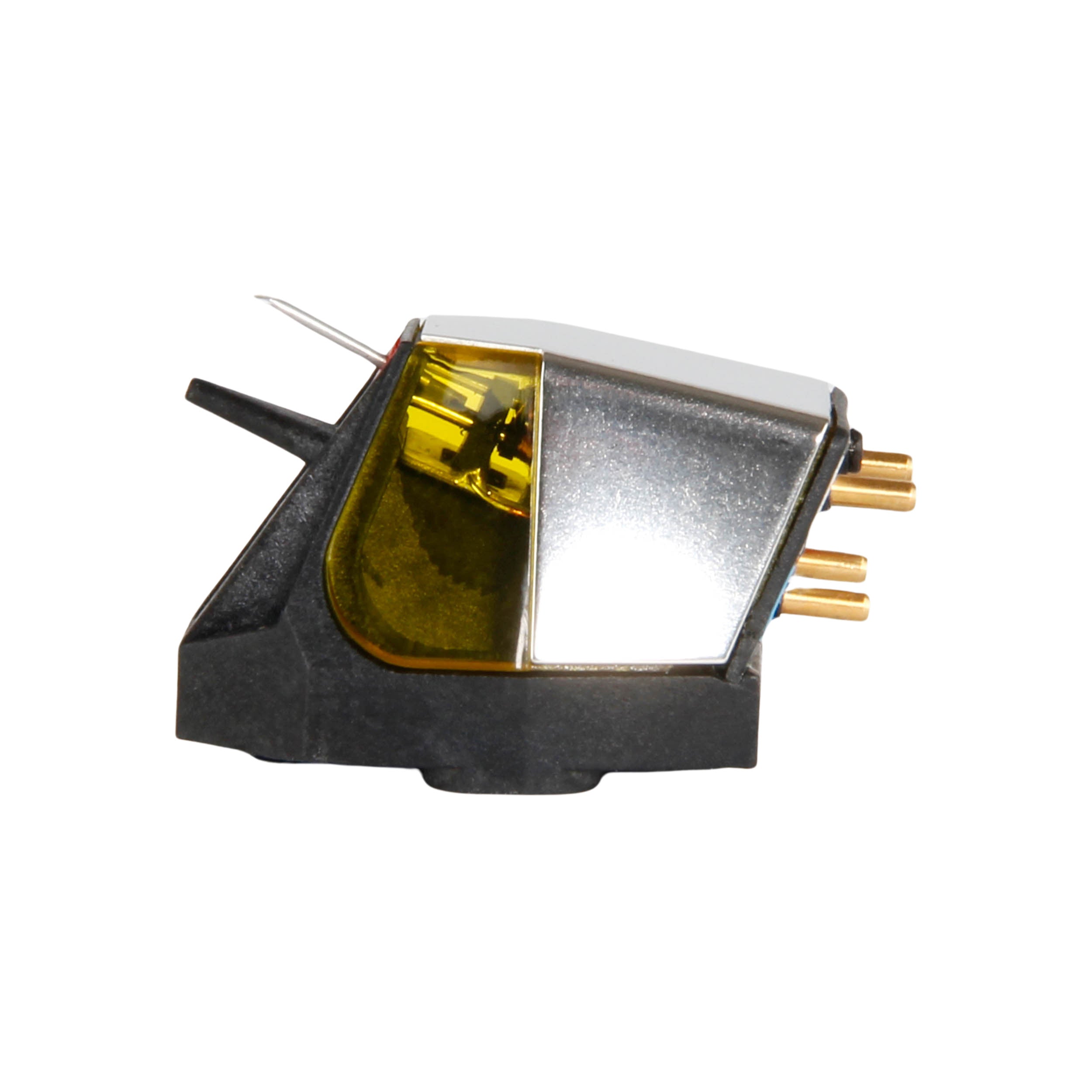
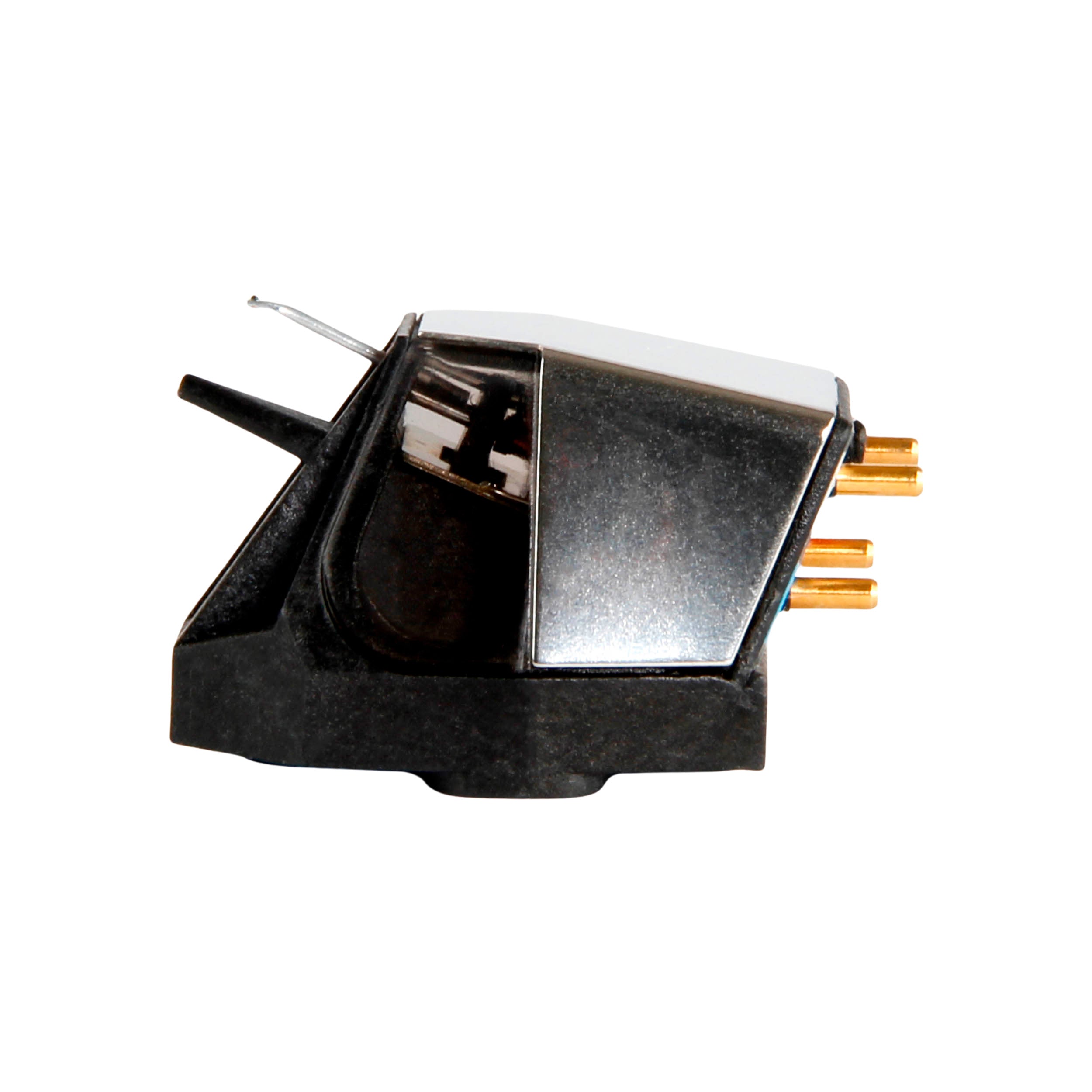
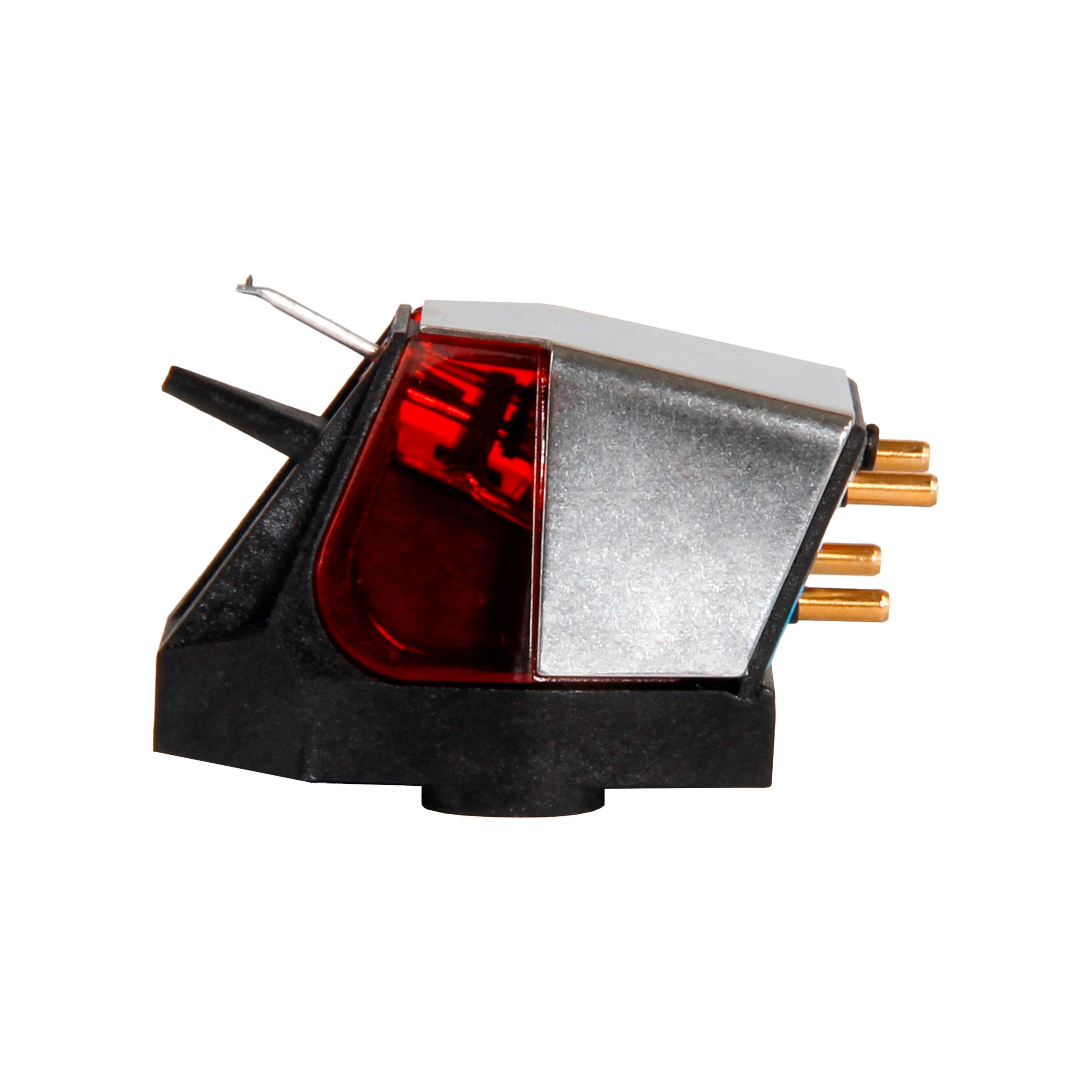
If you want to lift the sound from your turntable, a new cartridge can work wonders. A cartridge is the small “lider” that sits at the tip of the tonearm. The cartridge body is typically made of metal, plastic, or wood and serves as the housing for the inner parts that generate the sound. There are mainly 2 groups of cartridges: MM (moving magnet) and MC (moving coil).
Moving magnet cartridges are the cheaper option, as they are less demanding to assemble. MC cartridges will therefore be in price ranges that require a better turntable. Typically, turntables in the 3,000–15,000 price range will be equipped with an MM cartridge, and more expensive turntables with MC cartridges. There are exceptions, and when investing in a turntable, it can pay off to buy as good a turntable as your budget allows and save a little on the cartridge, since it will need to be replaced at some point anyway.
The price differences between cartridges are often due to the different stylus grinds on the small diamond at the end of the cantilever. The finer the diamond is ground, the better (more precisely) it reads the groove and retrieves information that the more primitive grinds will struggle with.


The RIAA amplifier - an absolute must
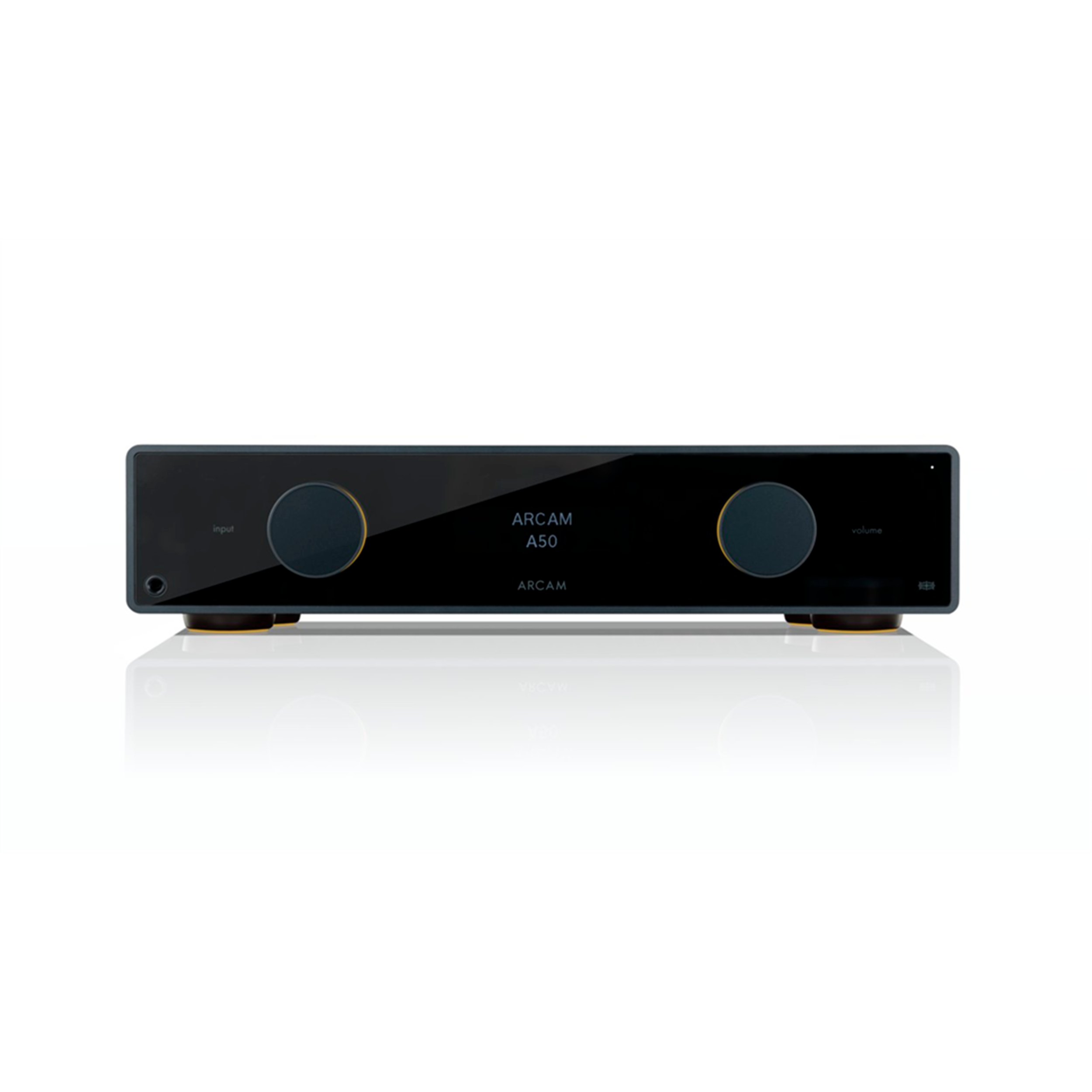
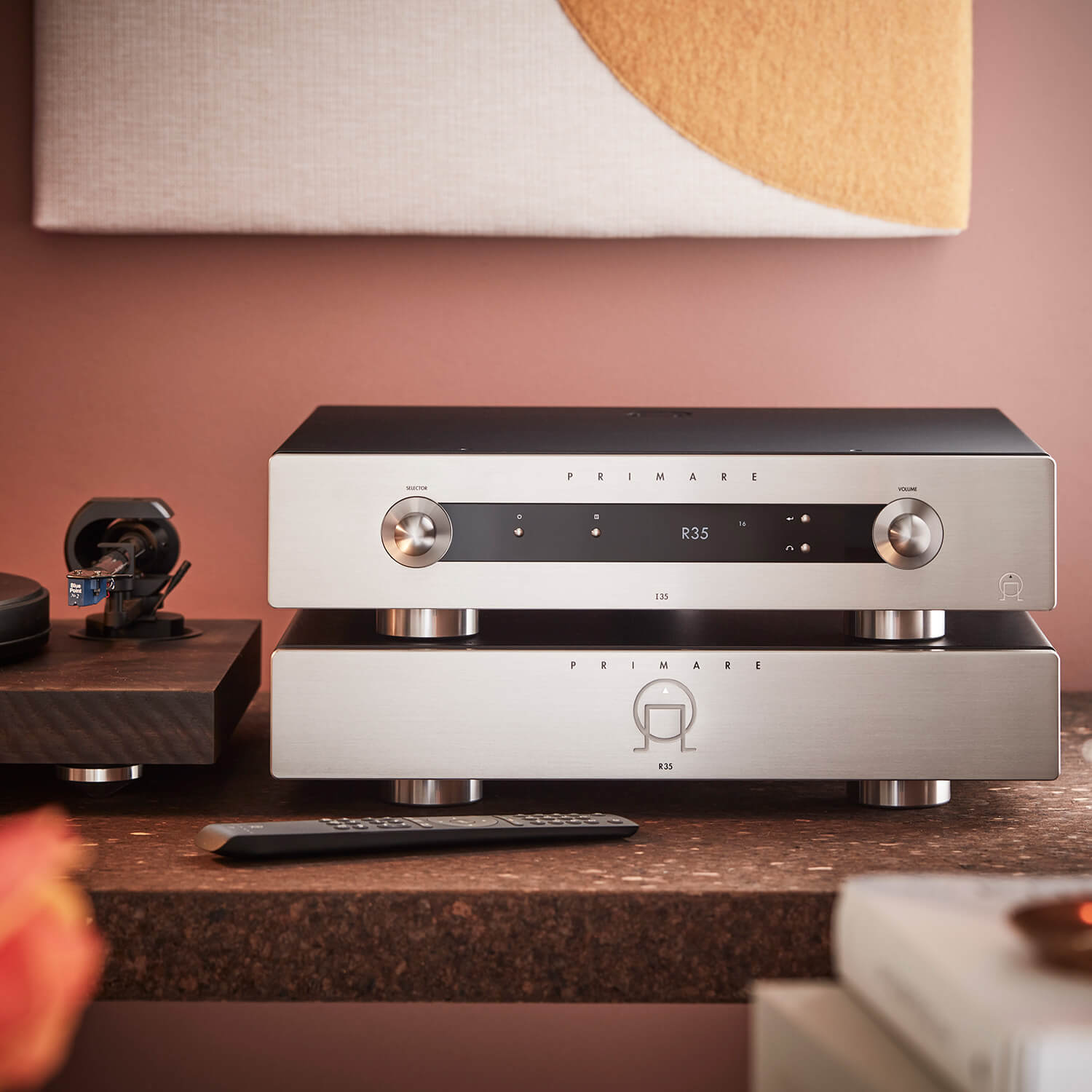
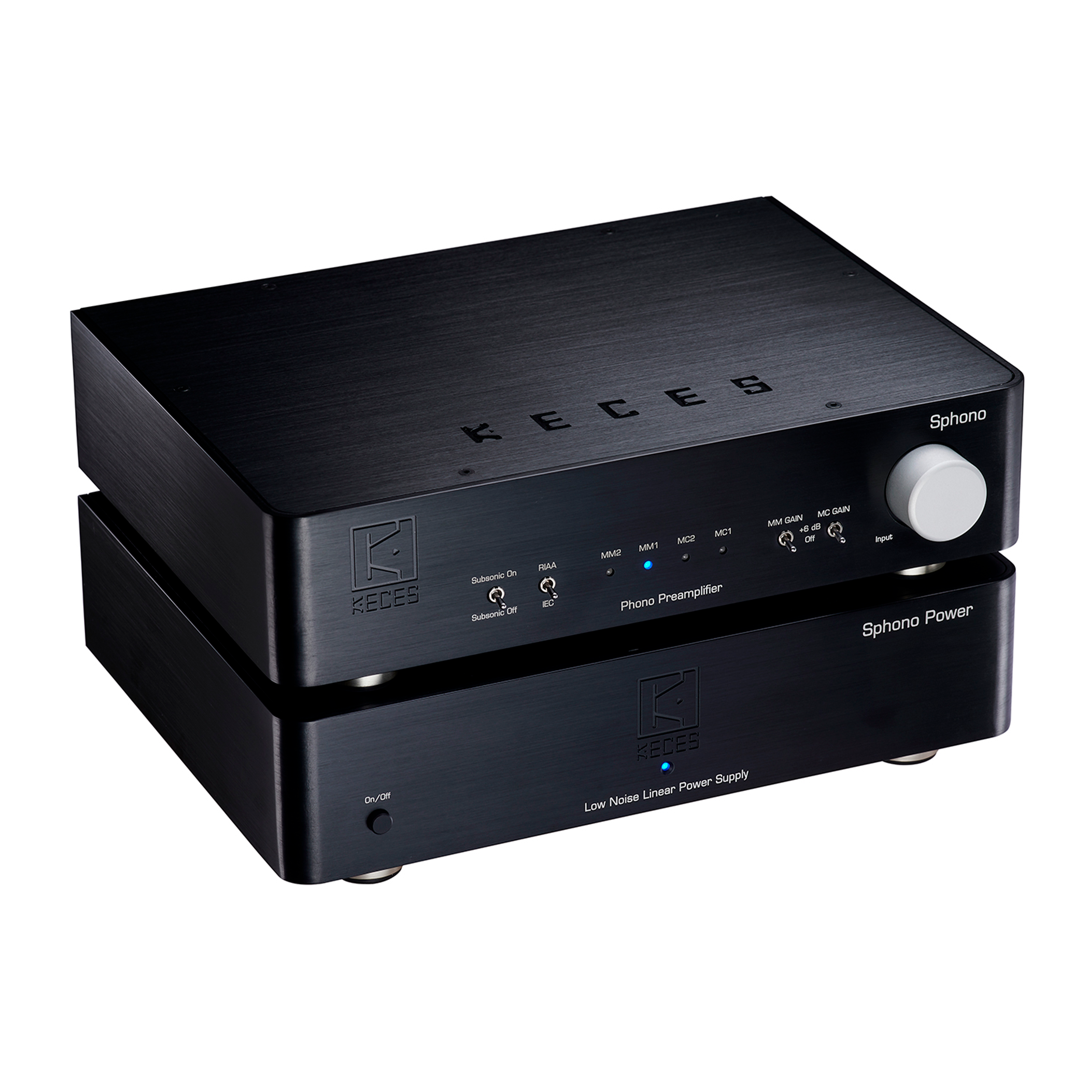
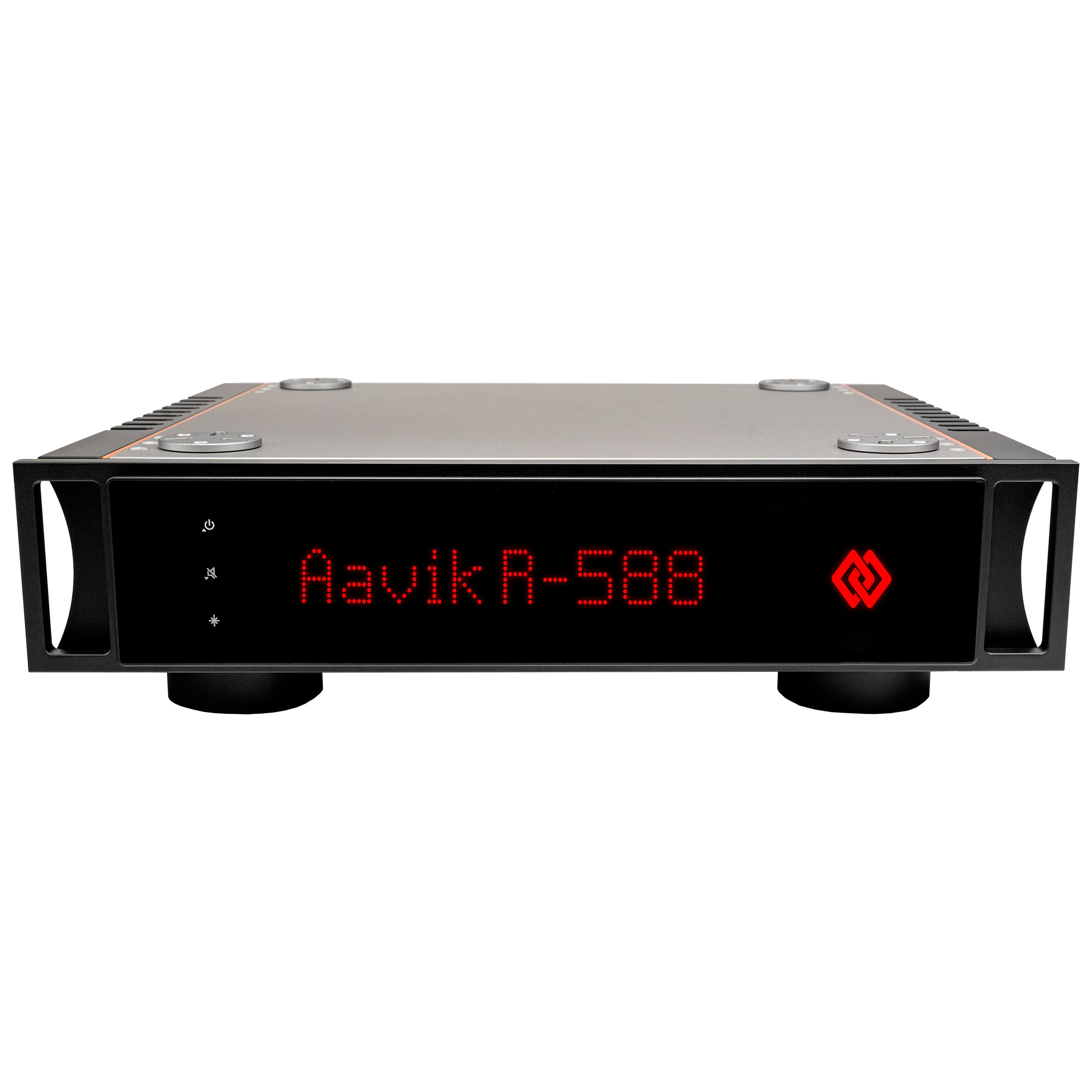
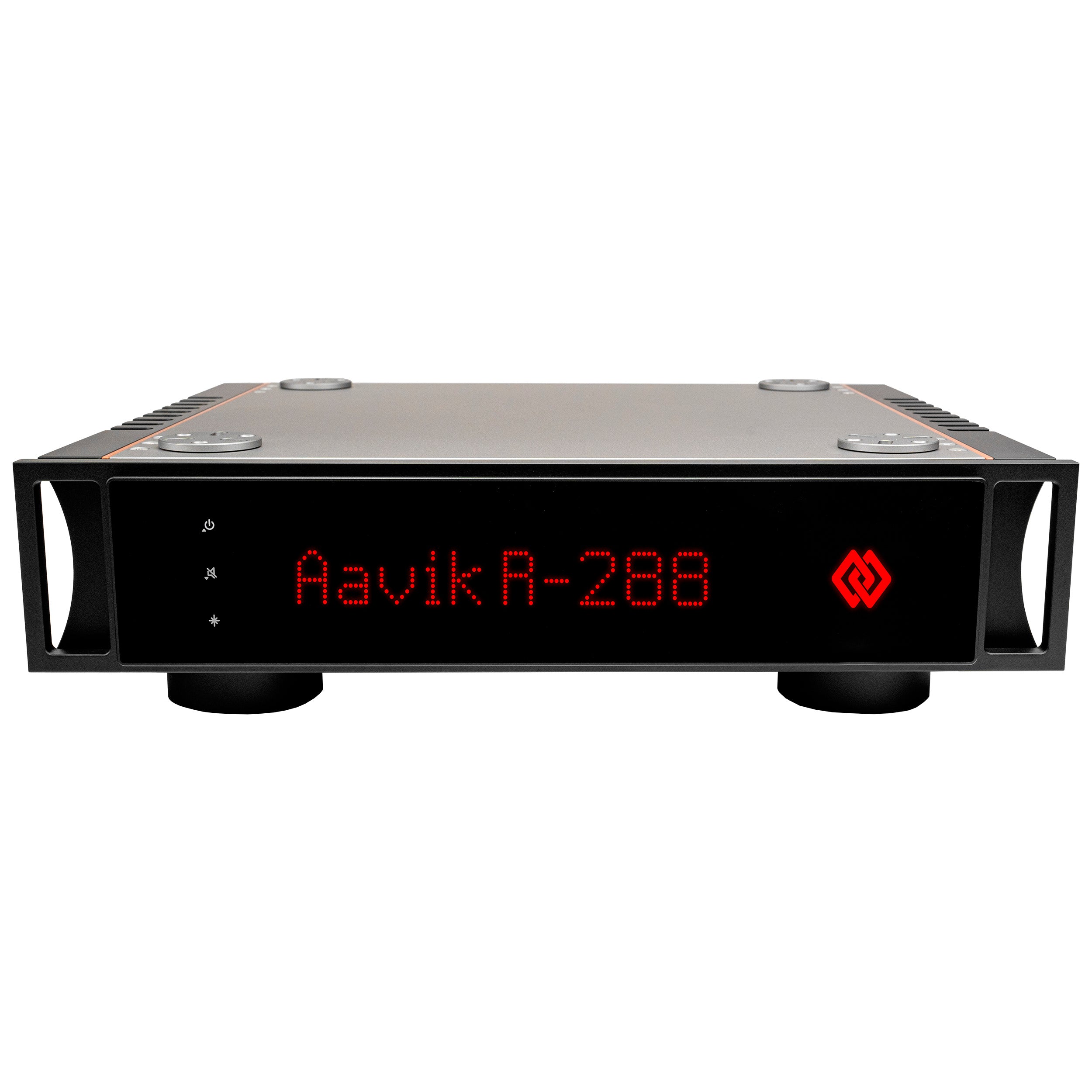
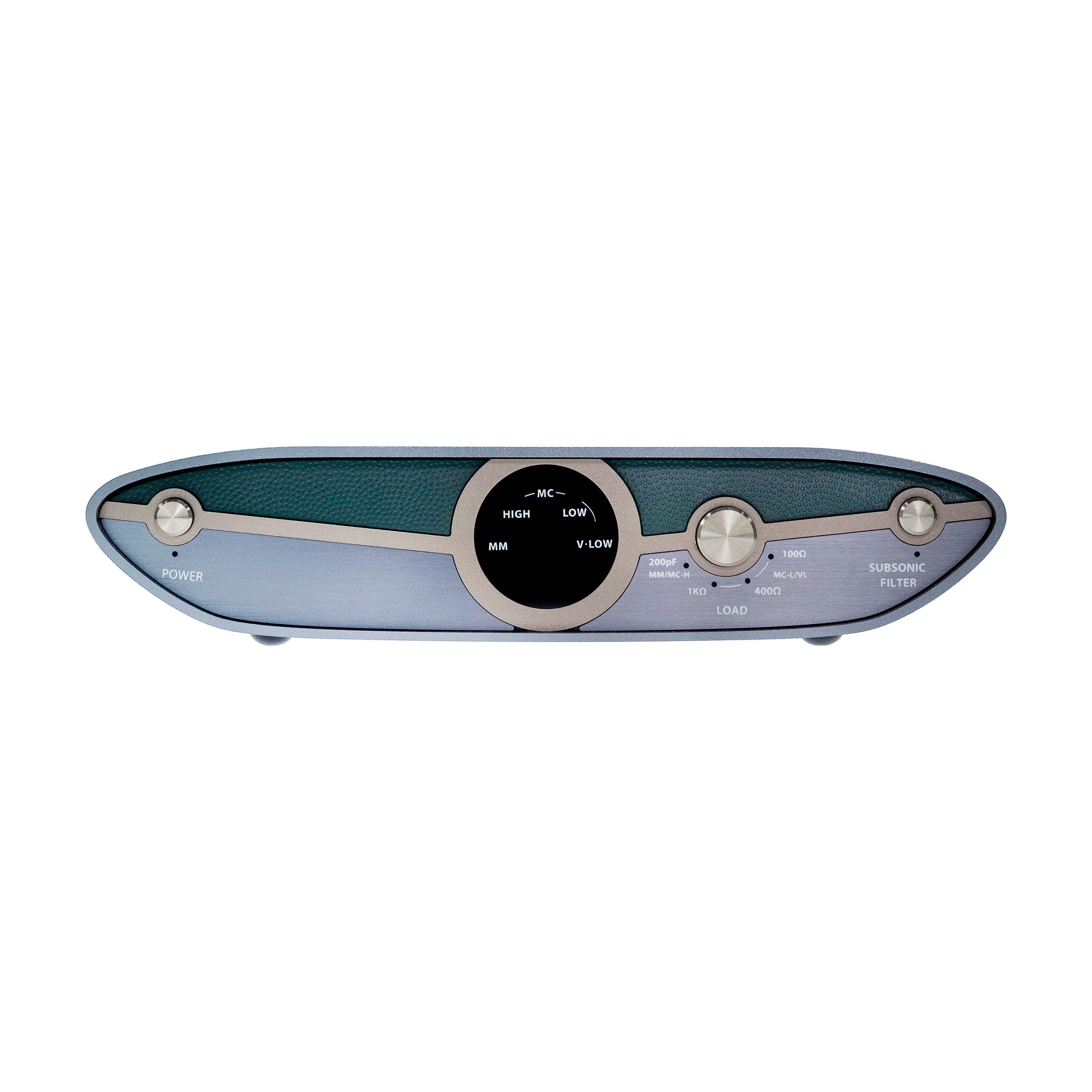
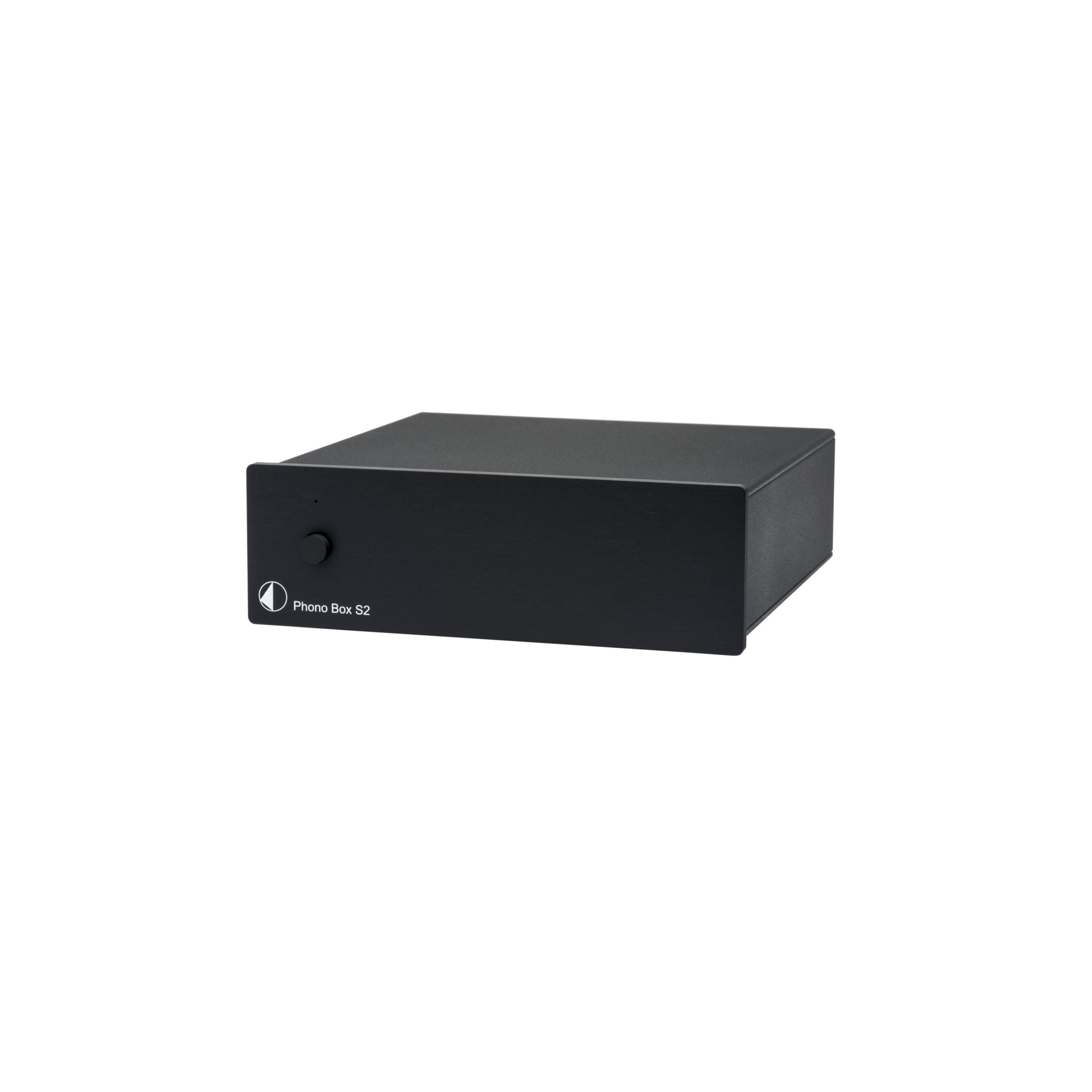
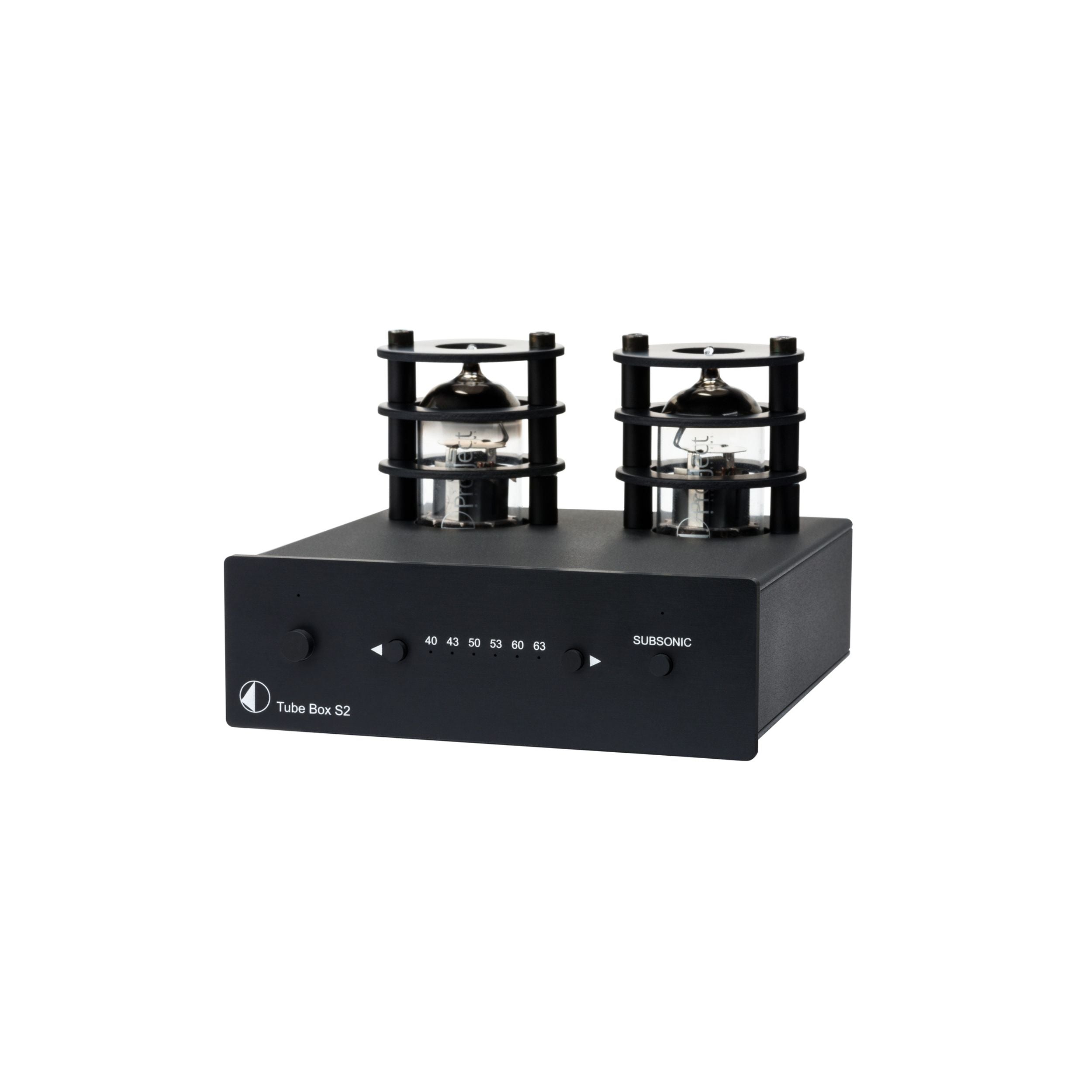
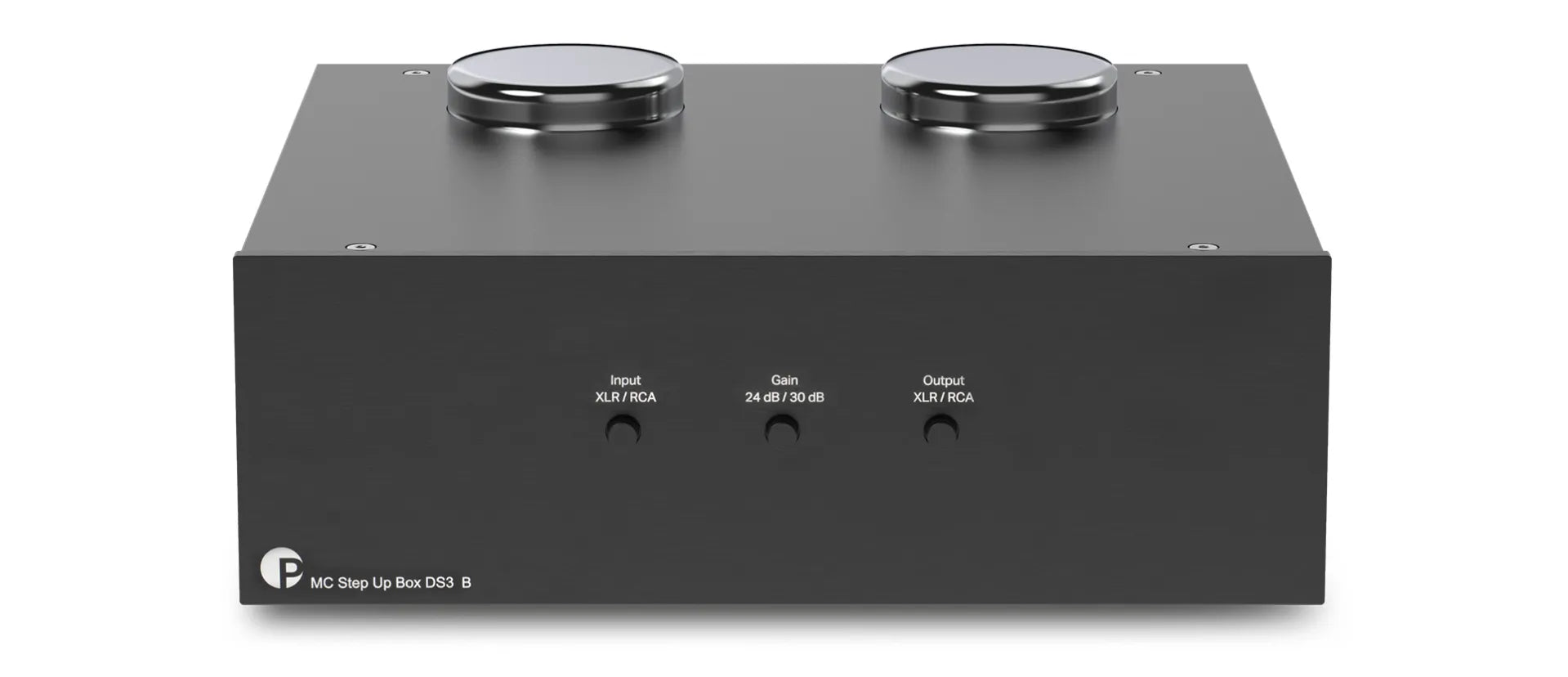
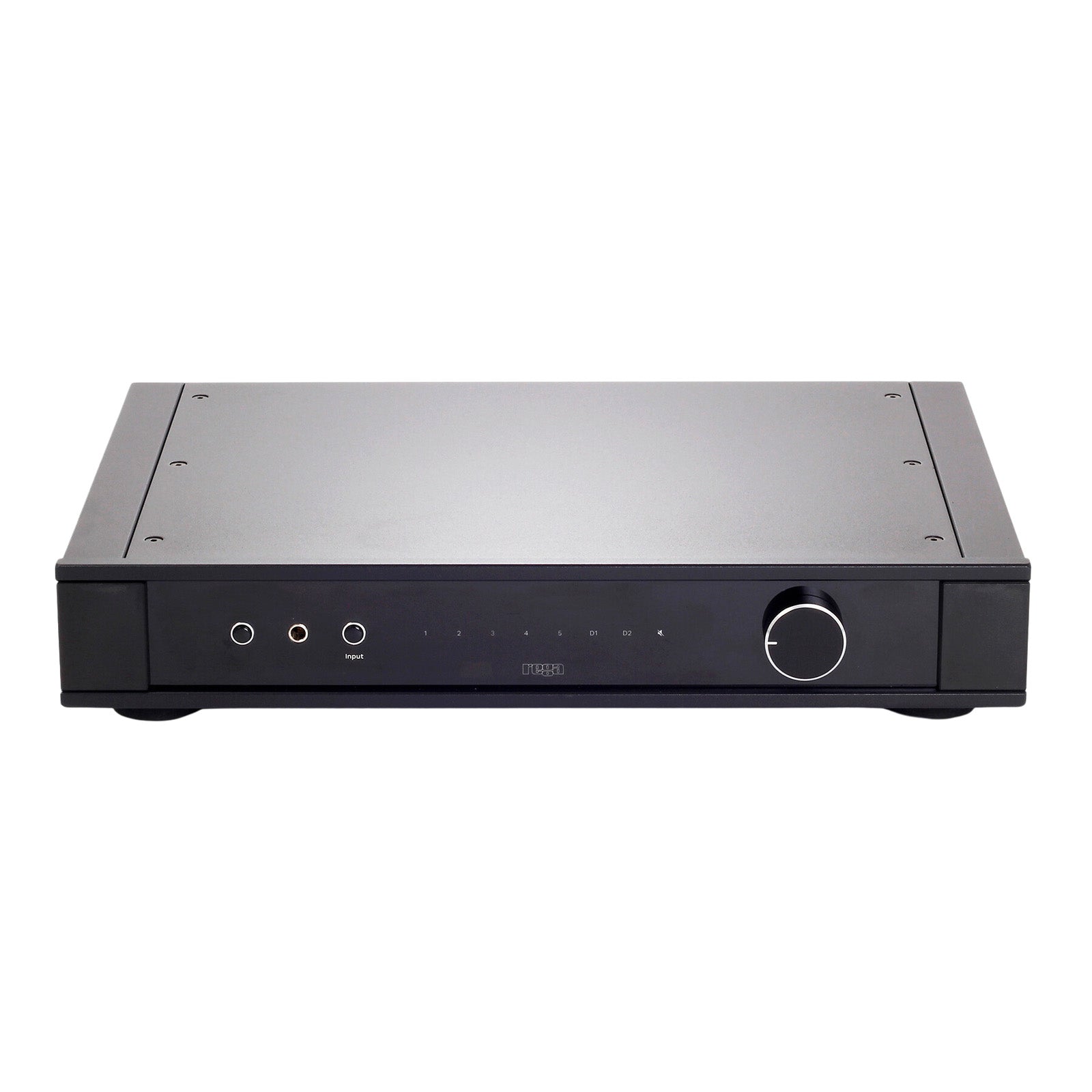
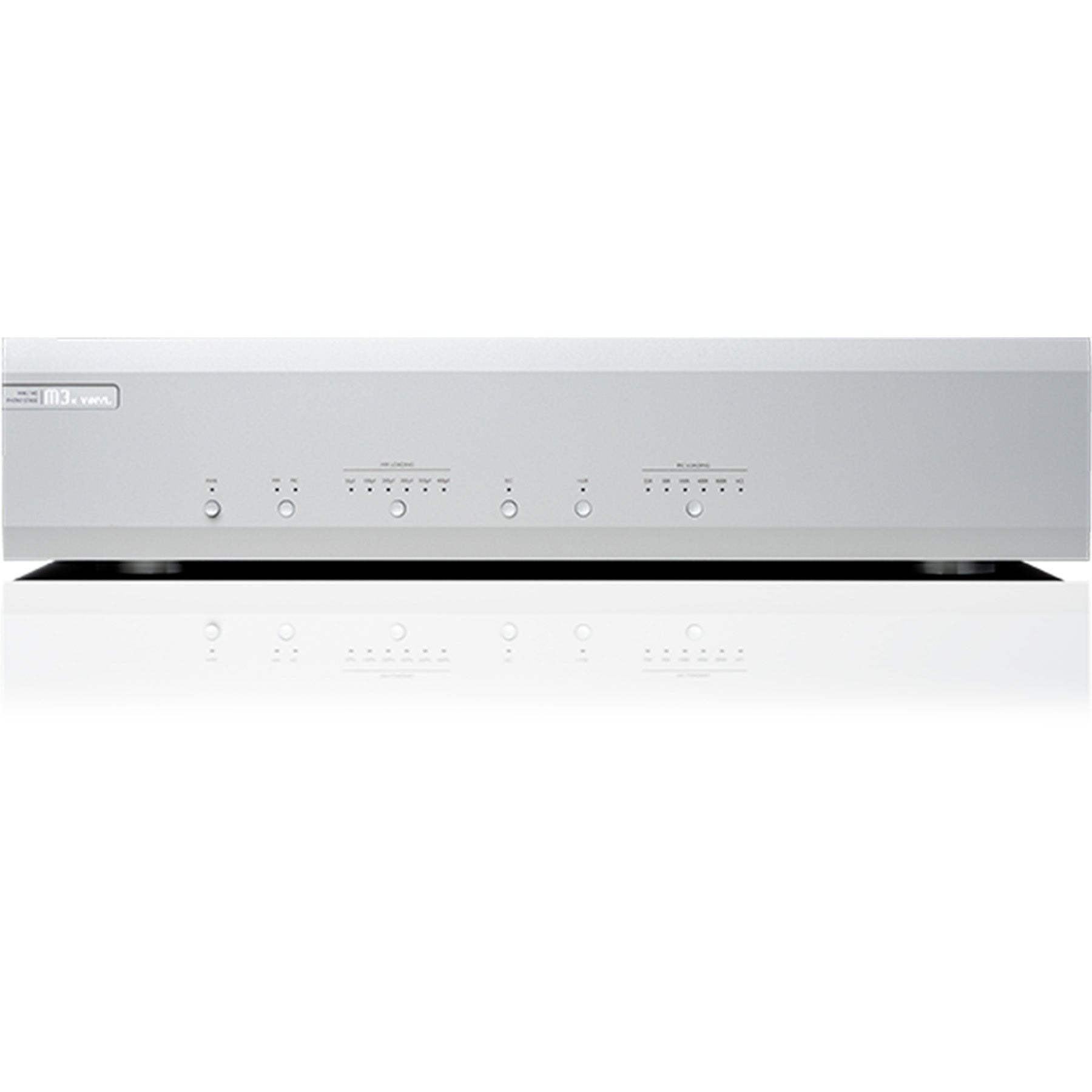
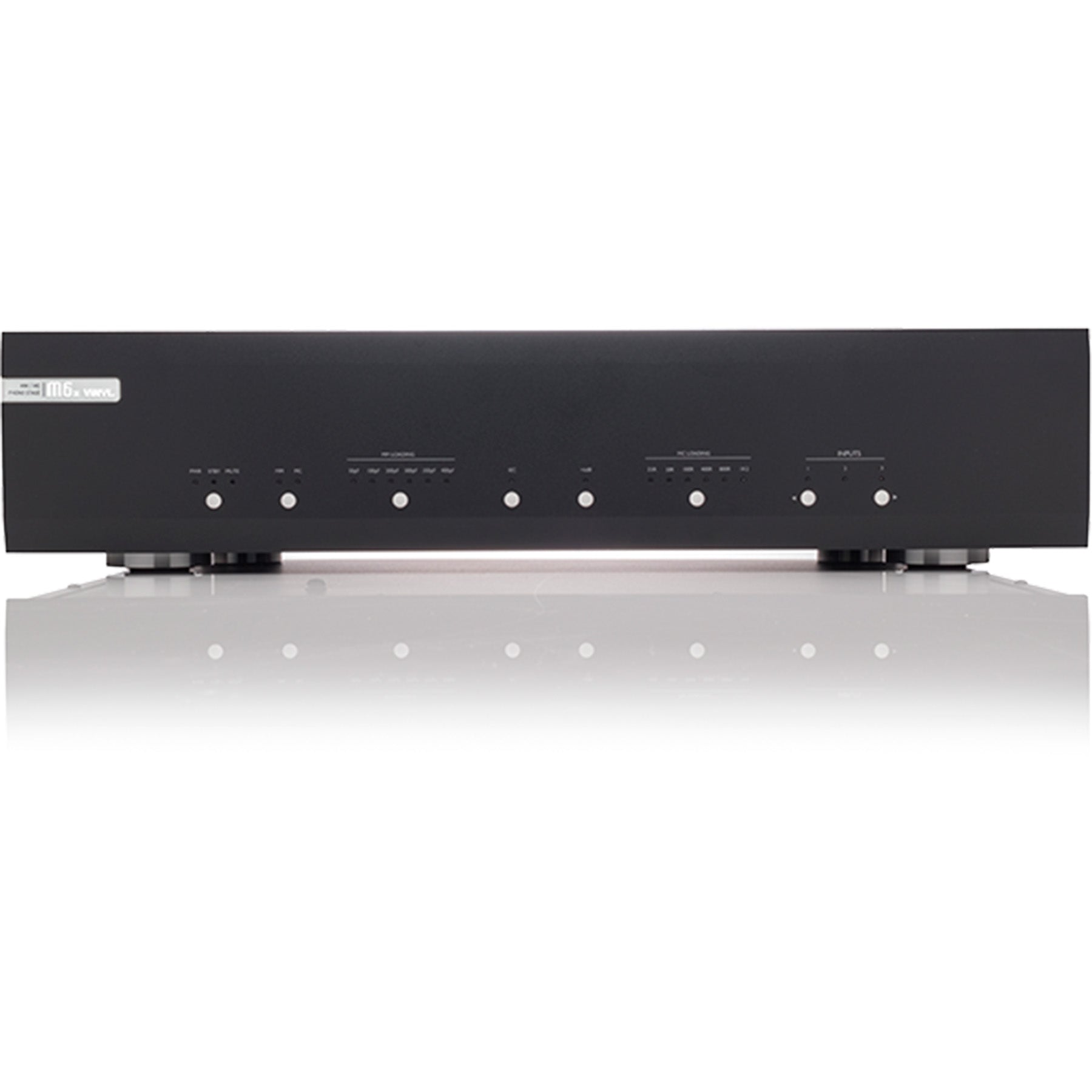
In order to play a record at all and get the music out through the speakers, you need a preamplifier that, in this context, is called an RIAA amplifier. It has two functions: one is to amplify the very weak signal coming from the cartridge, and the other is to correct the frequency response.
The correction is necessary because, when the record is cut, the bass has to be reduced (otherwise the cartridge will jump out of the groove) and the treble has to be boosted (so hiss and noise can later be removed when it is reduced again). With these measures in the cutting process, it is of course necessary to correct the sound before it can be played back with good results, and that is exactly what an RIAA does: it restores the frequency response and amplifies the signal. Many amplifiers have a built-in RIAA, and such an input is typically called “phono”.
If your amplifier does not have a built-in RIAA, it can be bought separately and connected to a regular line input on the amplifier, such as CD, AUX, or TUNER. A decent MM RIAA can be purchased for around DKK 1,000, whereas an MC RIAA costs quite a bit more and works in the same way, except for its even stronger amplification. This is because an MC cartridge typically has a much weaker output signal to send into the RIAA section, and therefore the signal requires stronger amplification.


Accessories for the turntable
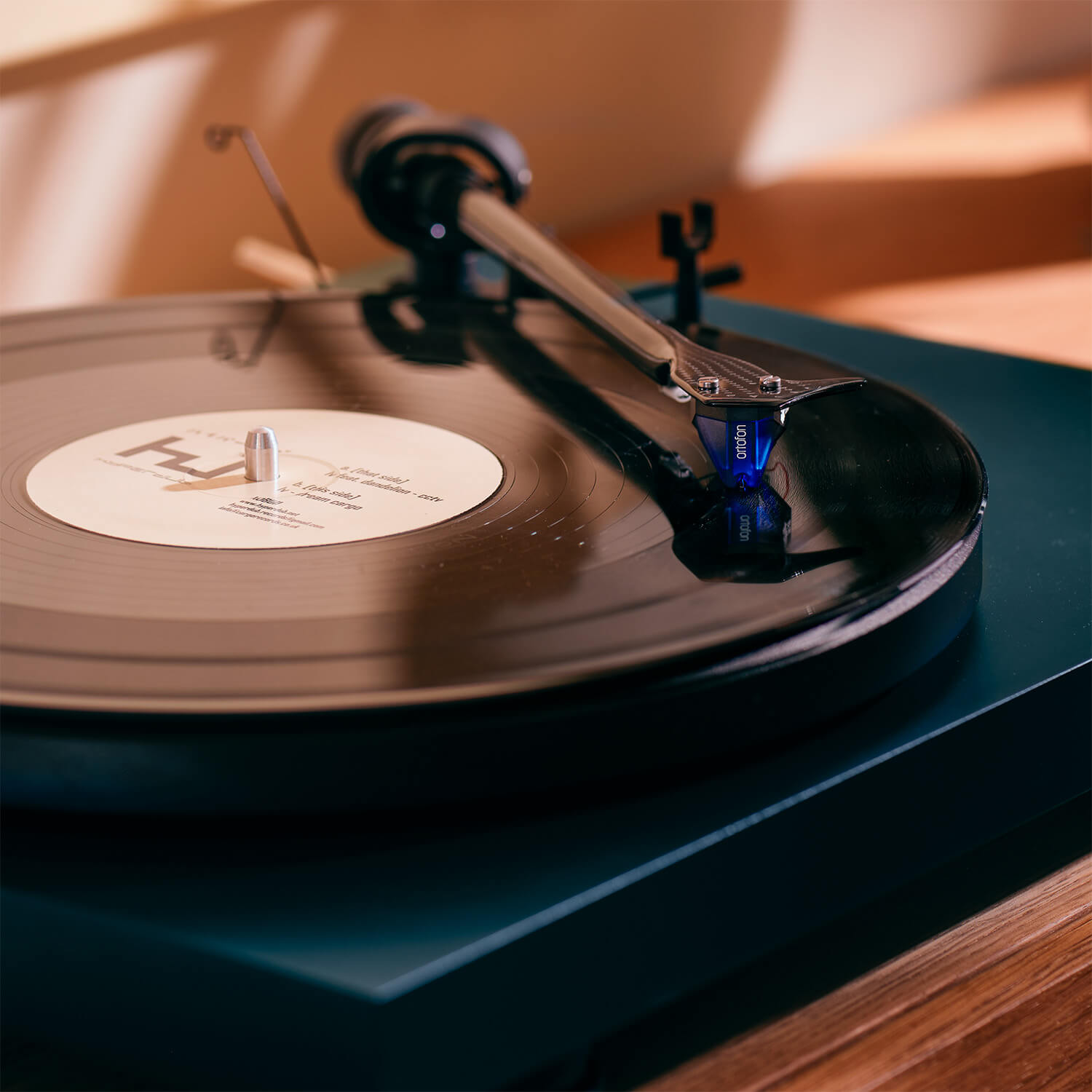
Pickups for every need
Pamper your turntable with a cartridge that fits your exact needs. Of course, we're also happy to help you find the right one and with installation.
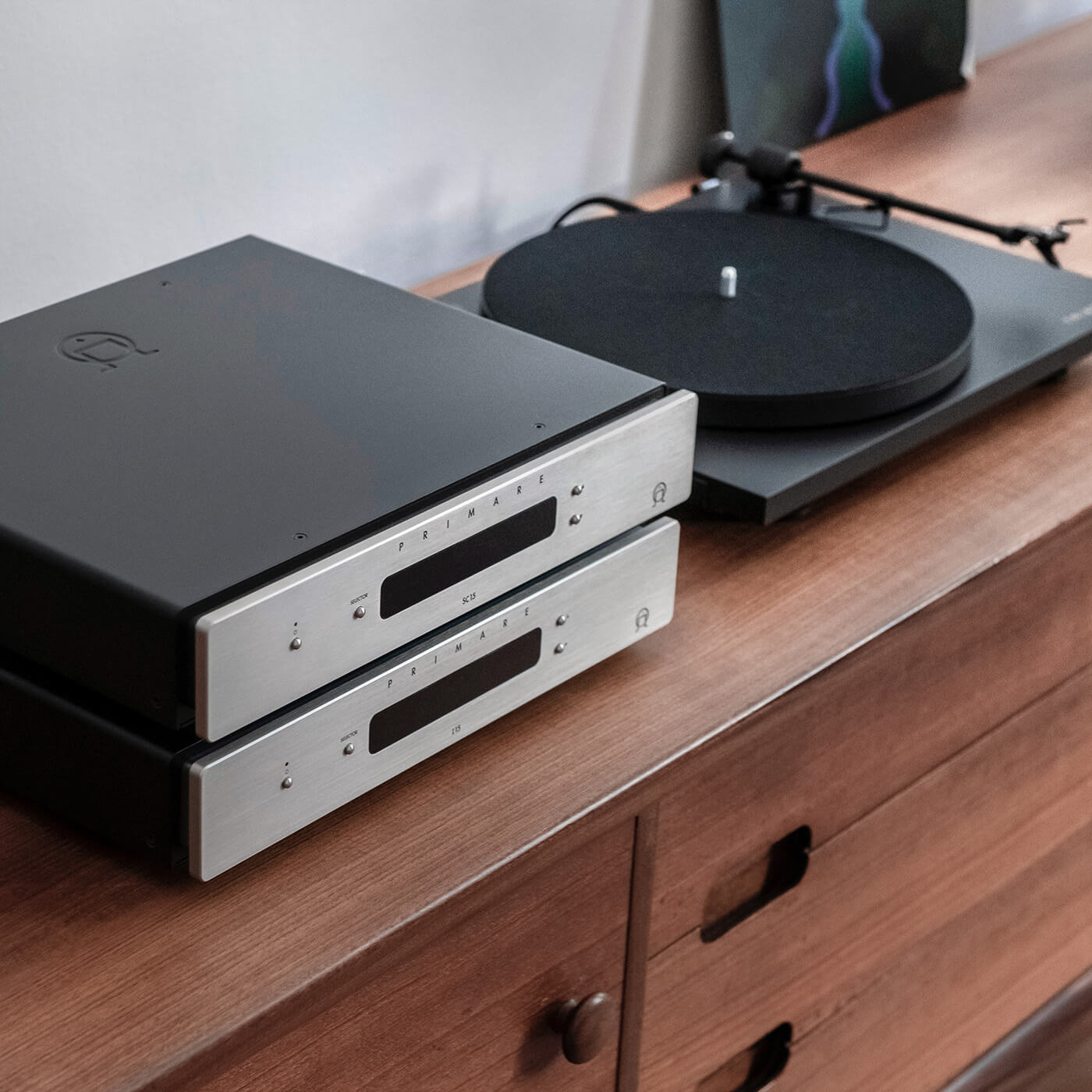
High-quality RIAA amplifiers
No sound comes out of the turntable without an RIAA amplifier. Because the cartridge's signal needs to be amplified so much, there is really a lot to gain from a proper RIAA.
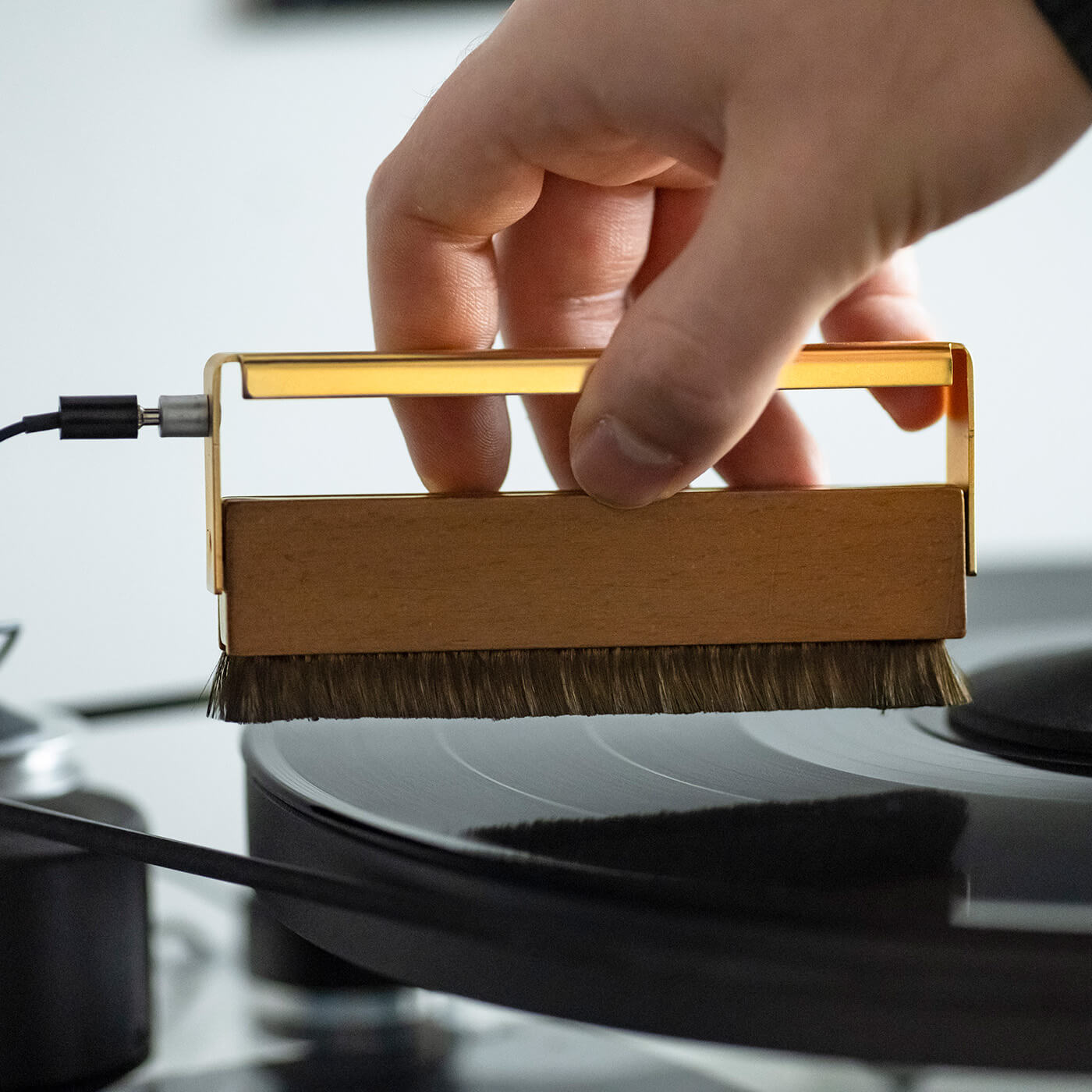
Maintain your turntable
It is absolutely essential for the turntable that it is maintained. Find the right thing here and get better sound quality and a longer lifespan from your turntable.
Read more
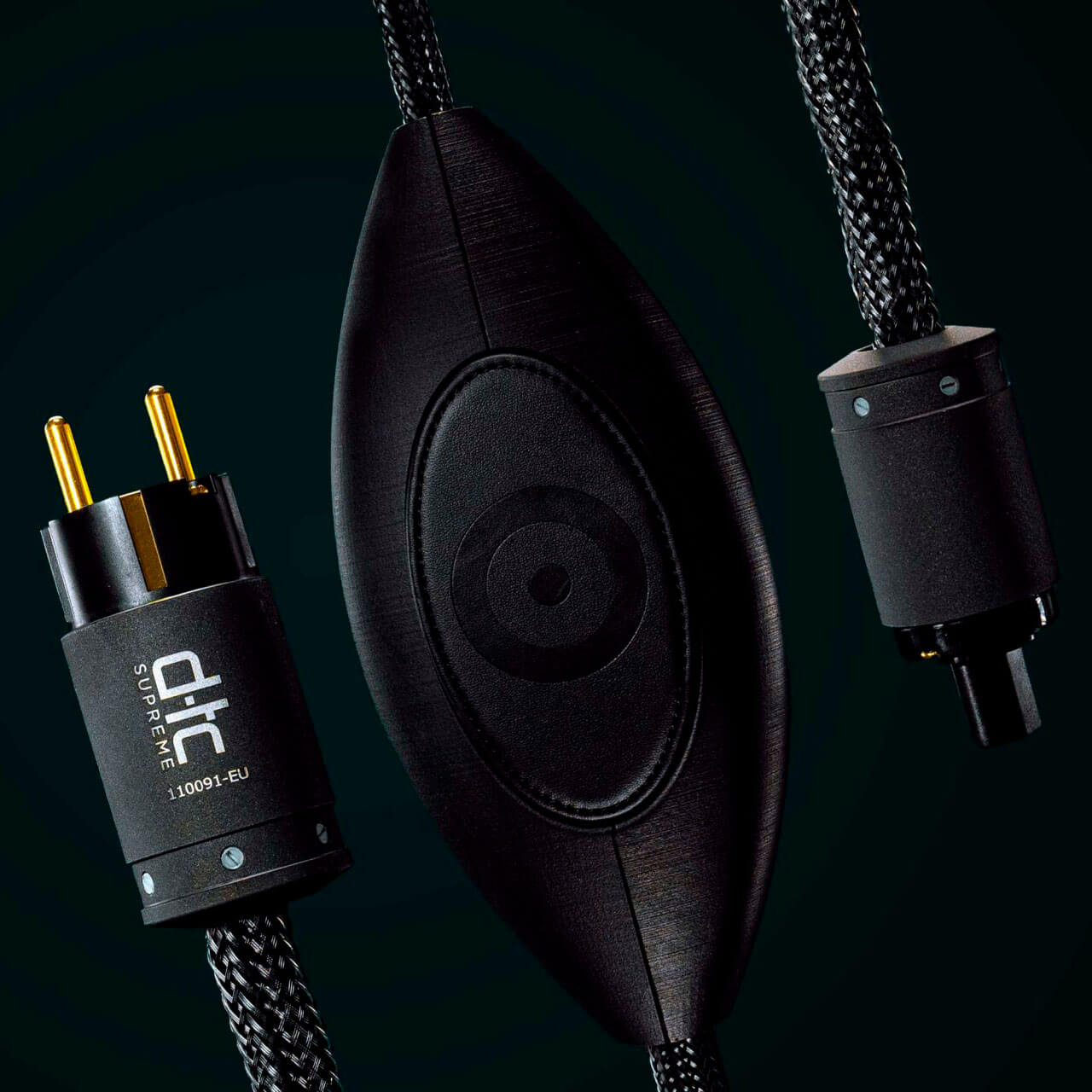
Power - The foundation of your hi-fi system
Why is it important to have control over the power supply, and why does it make a difference to your sound quality? There is a very simple reason for that, which we explore in this article.
Read more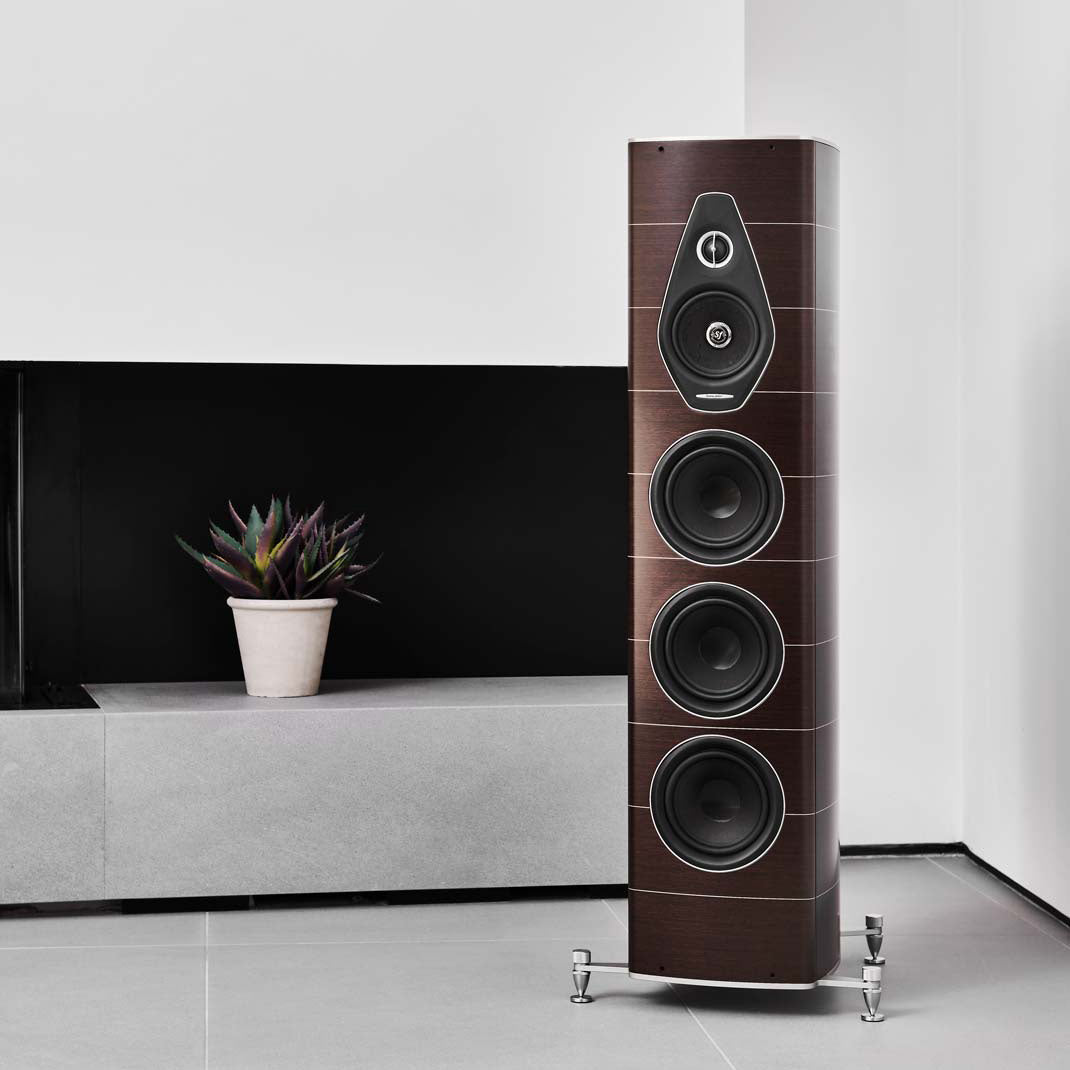
Guide: Get the best sound from your speakers
How you place your speakers in your listening room has a major impact on the sound quality you end up with. Read our experts' advice on how to get the best possible sound from your speakers here.
Read more
