












Active speaker



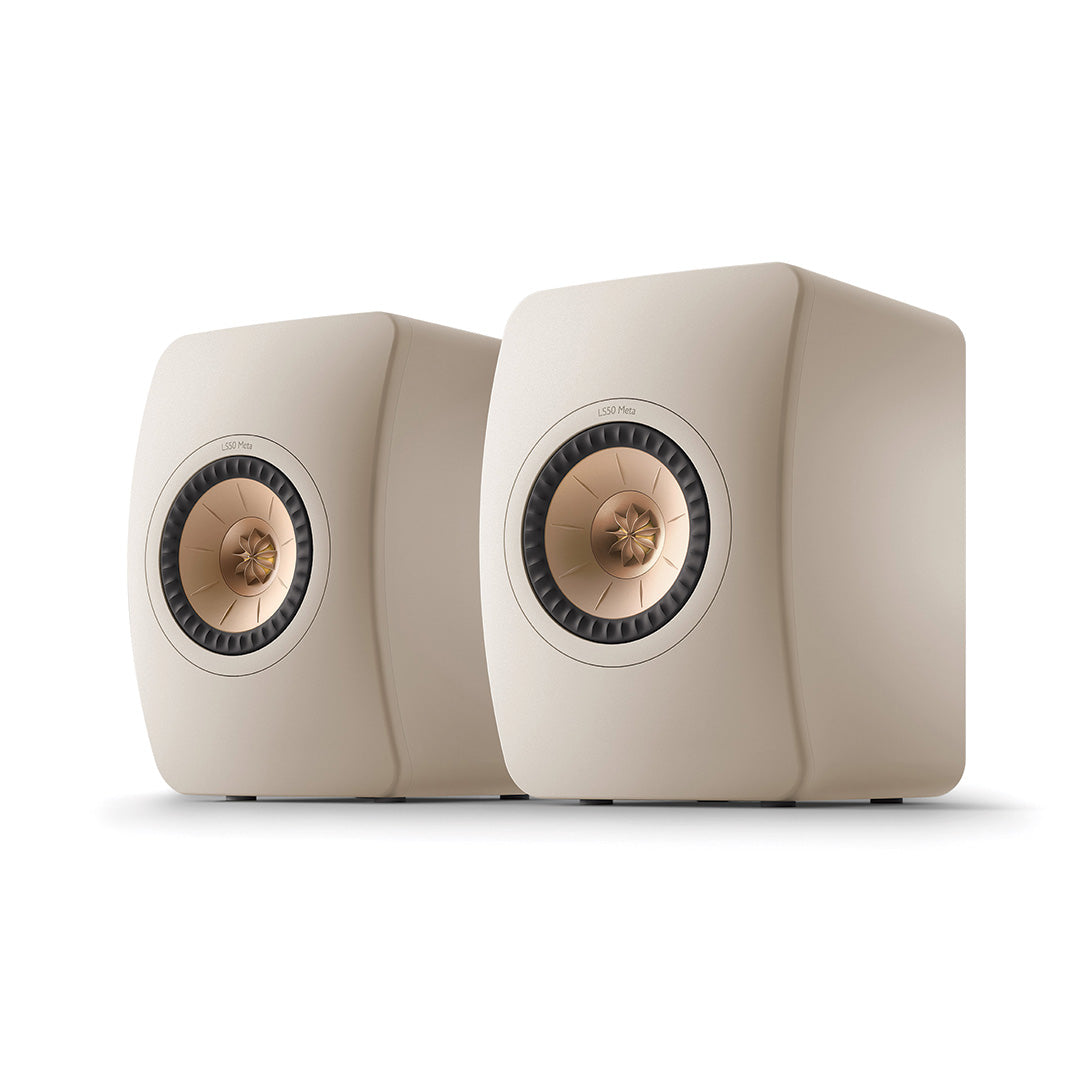
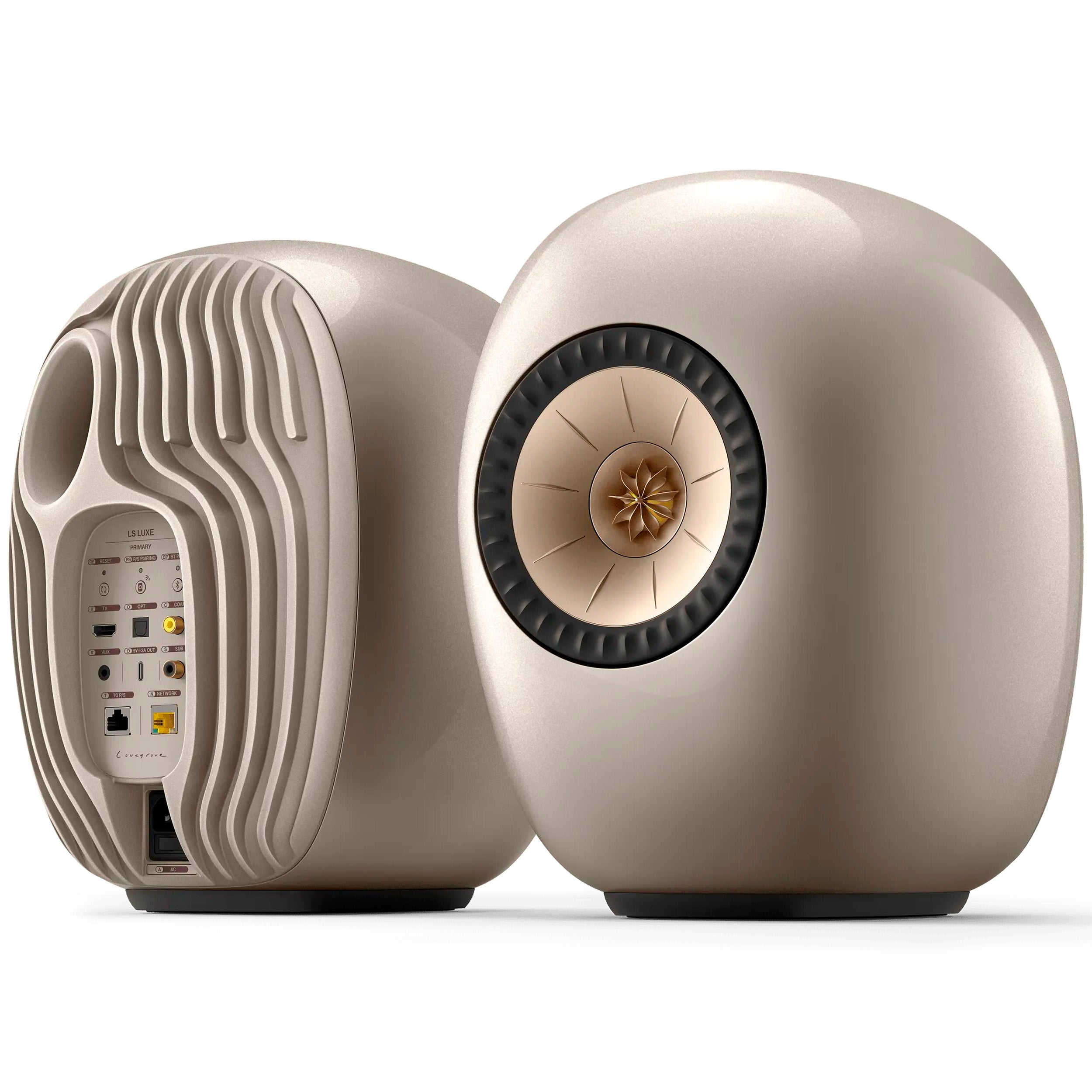
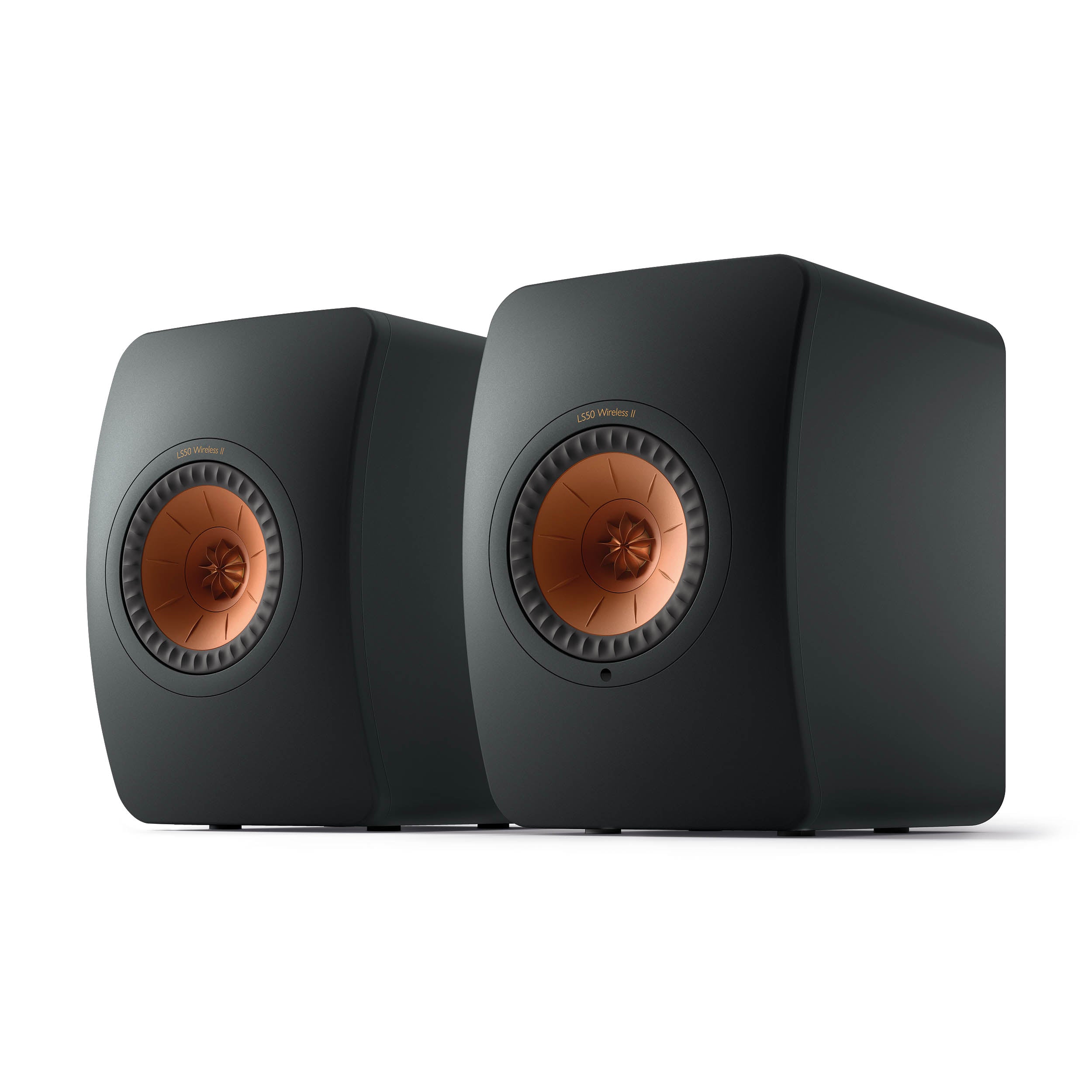
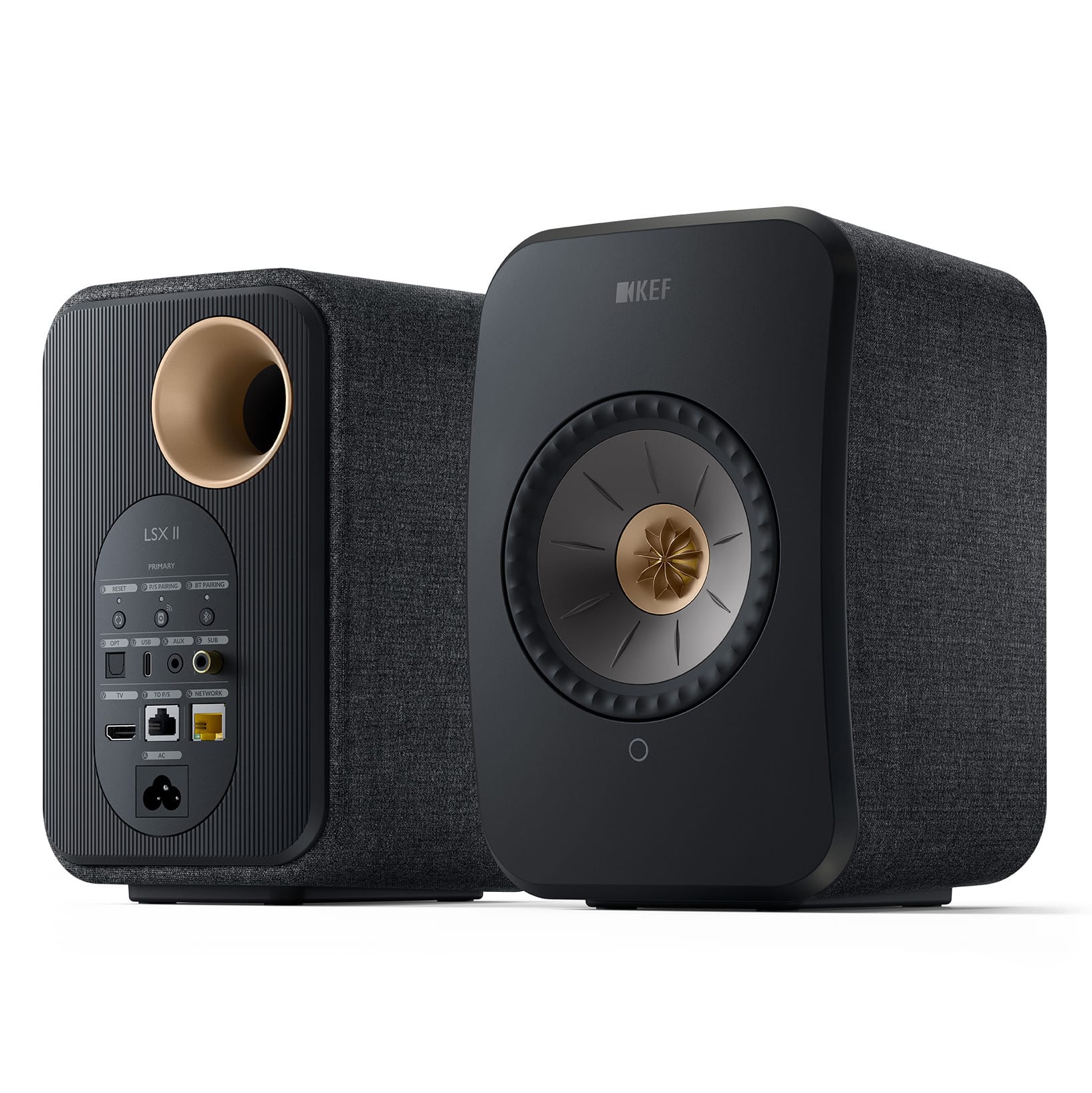
KEF LS50 Wireless II Carbon Black (demo)
Sale price
/ Set
€2.130,95
Regular price
€2.405,95
Active speaker


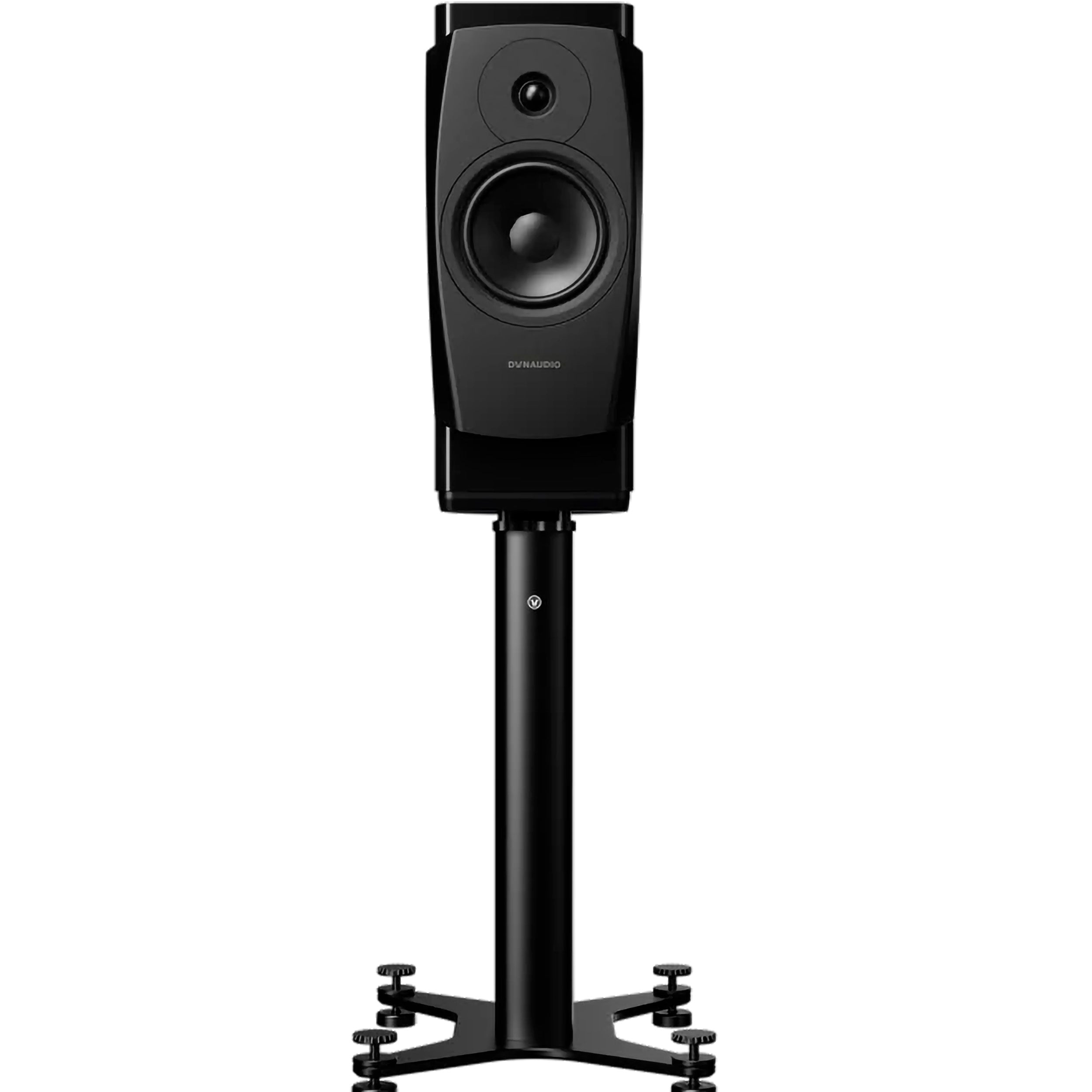

FAQ about active speakers
An active speaker is a speaker with a built-in amplifier, which means you do not need a separate amplifier to use it. It often has advanced digital signal processing (DSP), which adapts the sound to the room’s acoustics for optimal sound quality.
Active speakers are easy to set up, as they require fewer cables and no external amplifier. They are designed to deliver a balanced and precise sound experience, often with built-in technologies that improve sound quality.
Yes, active speakers are available in different sizes, making them suitable for both small and large rooms. One of their major advantages is that they often have built-in equalizer settings, making it possible to adapt the sound to the room's acoustics and the speaker's placement. This means you can adjust the bass, midrange, and treble so the speaker performs optimally, whether it is placed close to a wall or in a corner, where the low frequencies can otherwise be amplified.
Yes, most active speakers can be connected to a subwoofer to improve bass reproduction and create a deeper, fuller sound. A subwoofer can be especially beneficial in larger rooms or for sound effects in films.
Active speakers have a built-in amplifier, while passive speakers require an external amplifier. Active speakers are typically easier to install, as they require fewer components and cables.
To connect a turntable to an active speaker, you need a phono preamp (if one is not already built into the turntable) and connect it directly to the speaker. Many active speakers have input options that make them well suited for vinyl.
