












RIAA amplifier







Specialist in:
FAQ about RIAA preamp
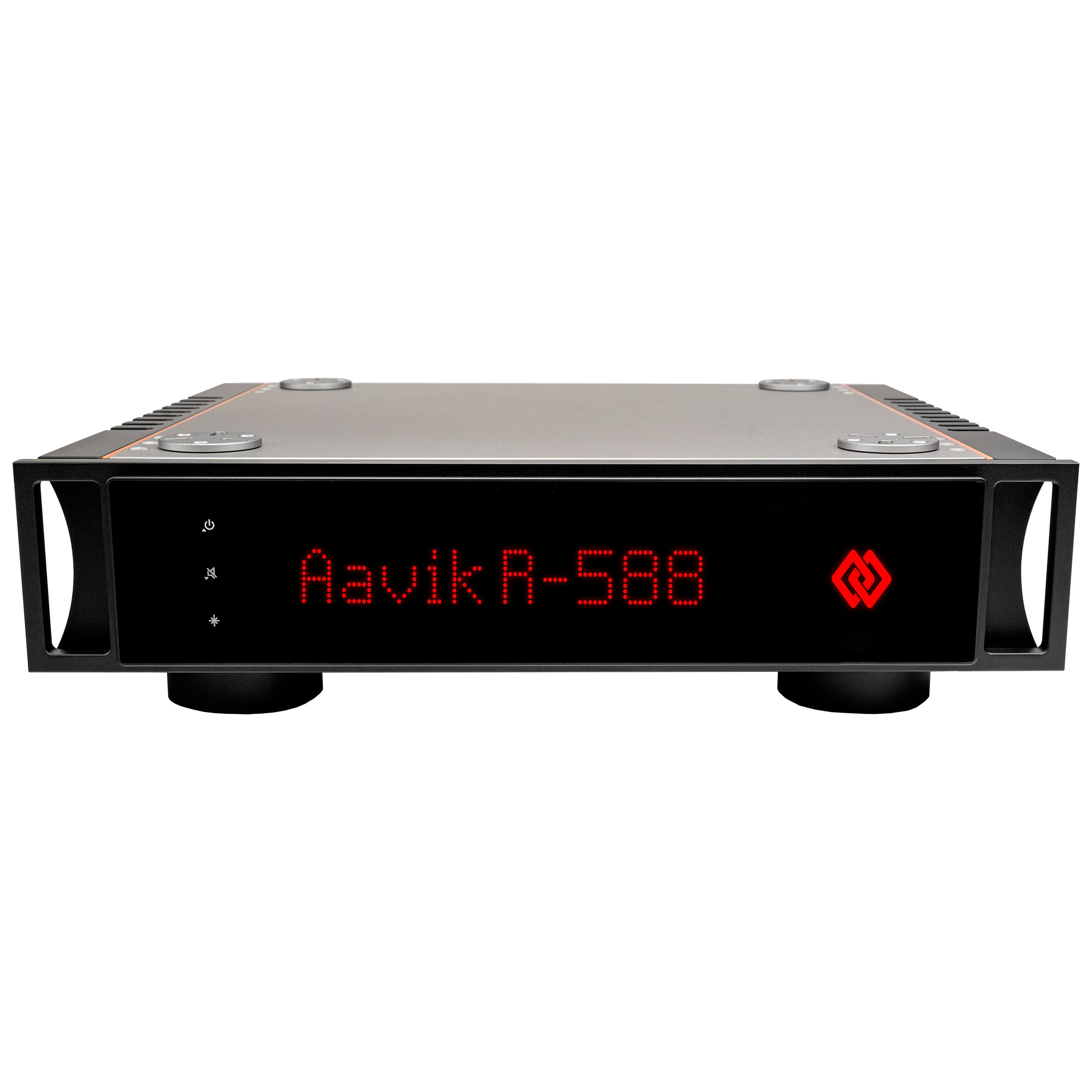
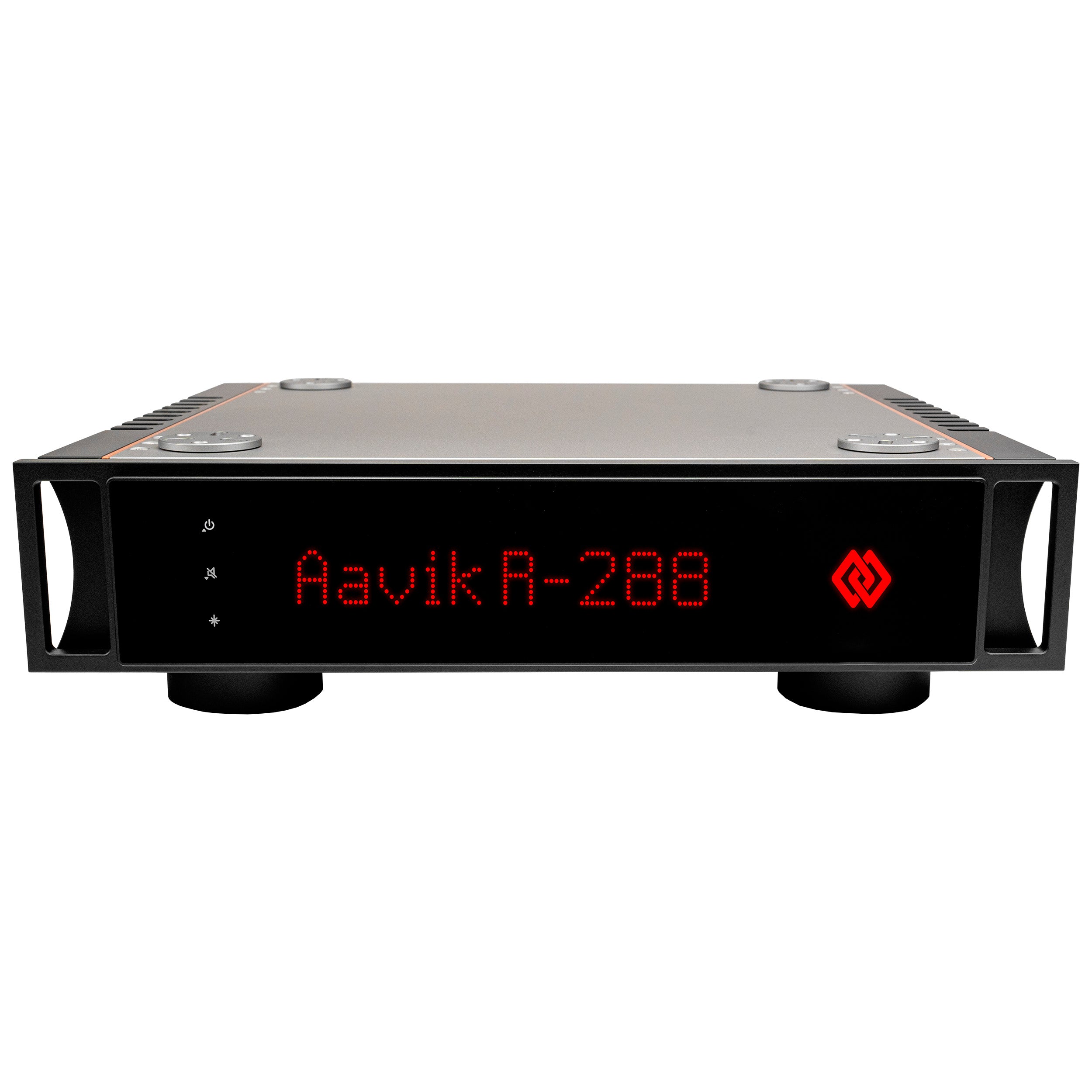
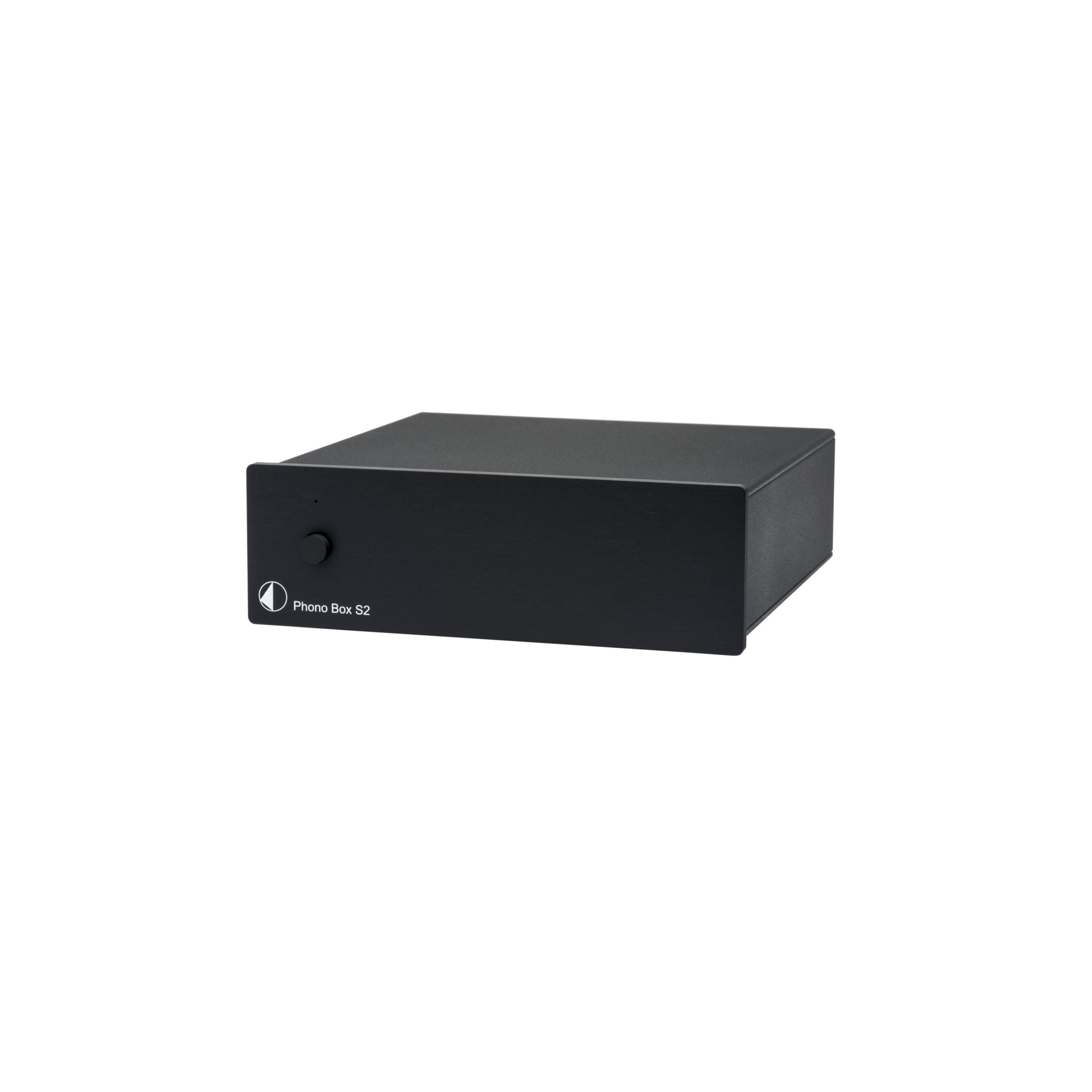
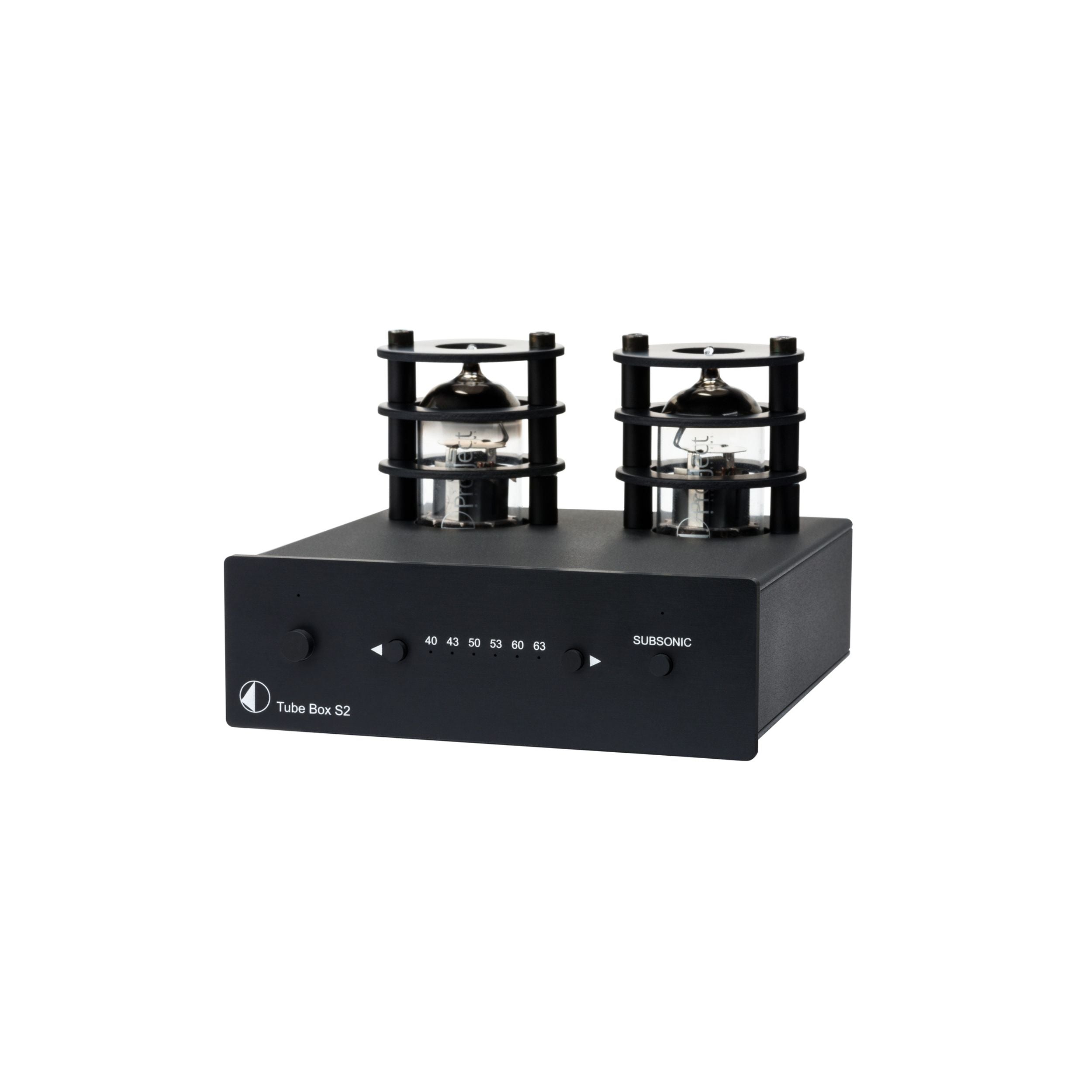
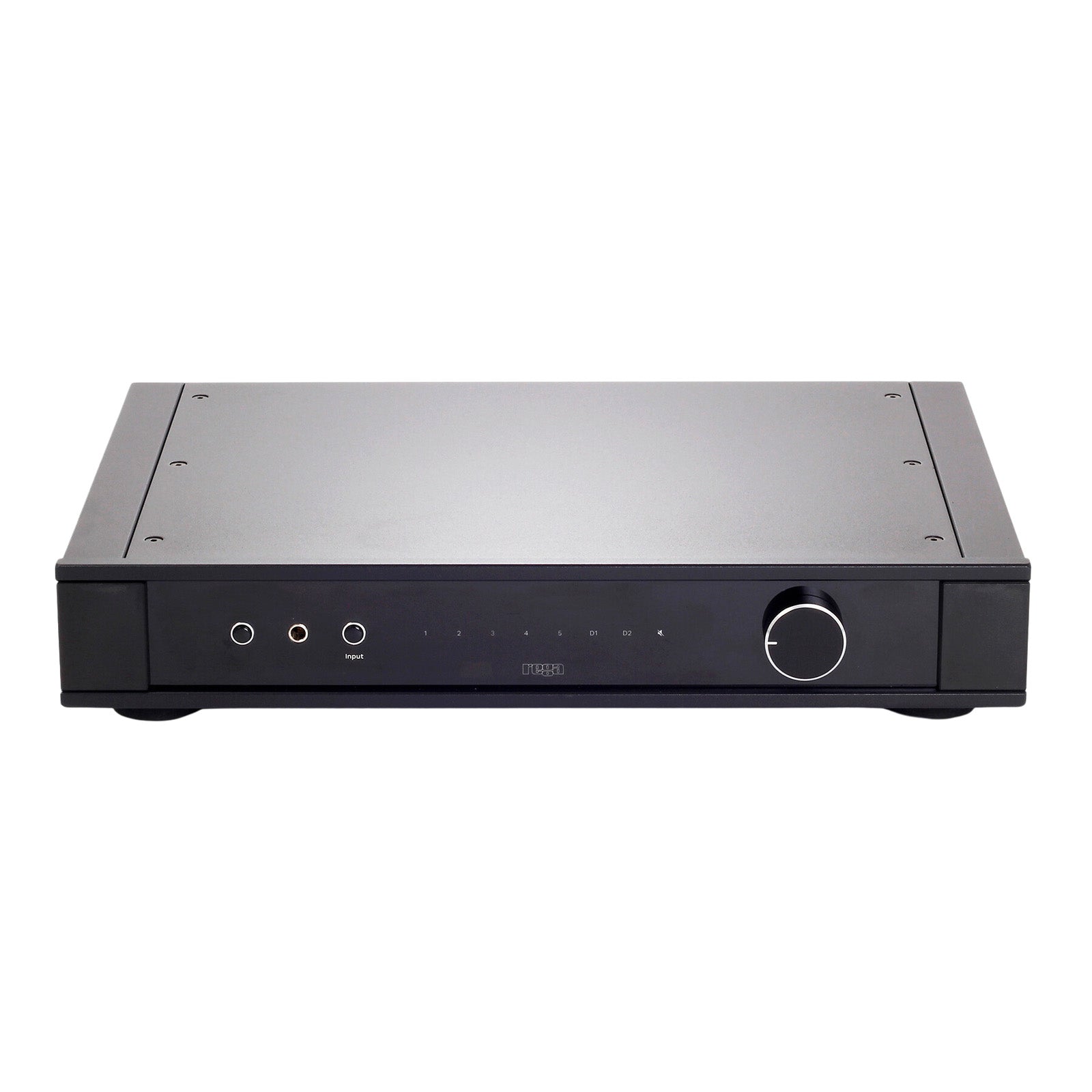
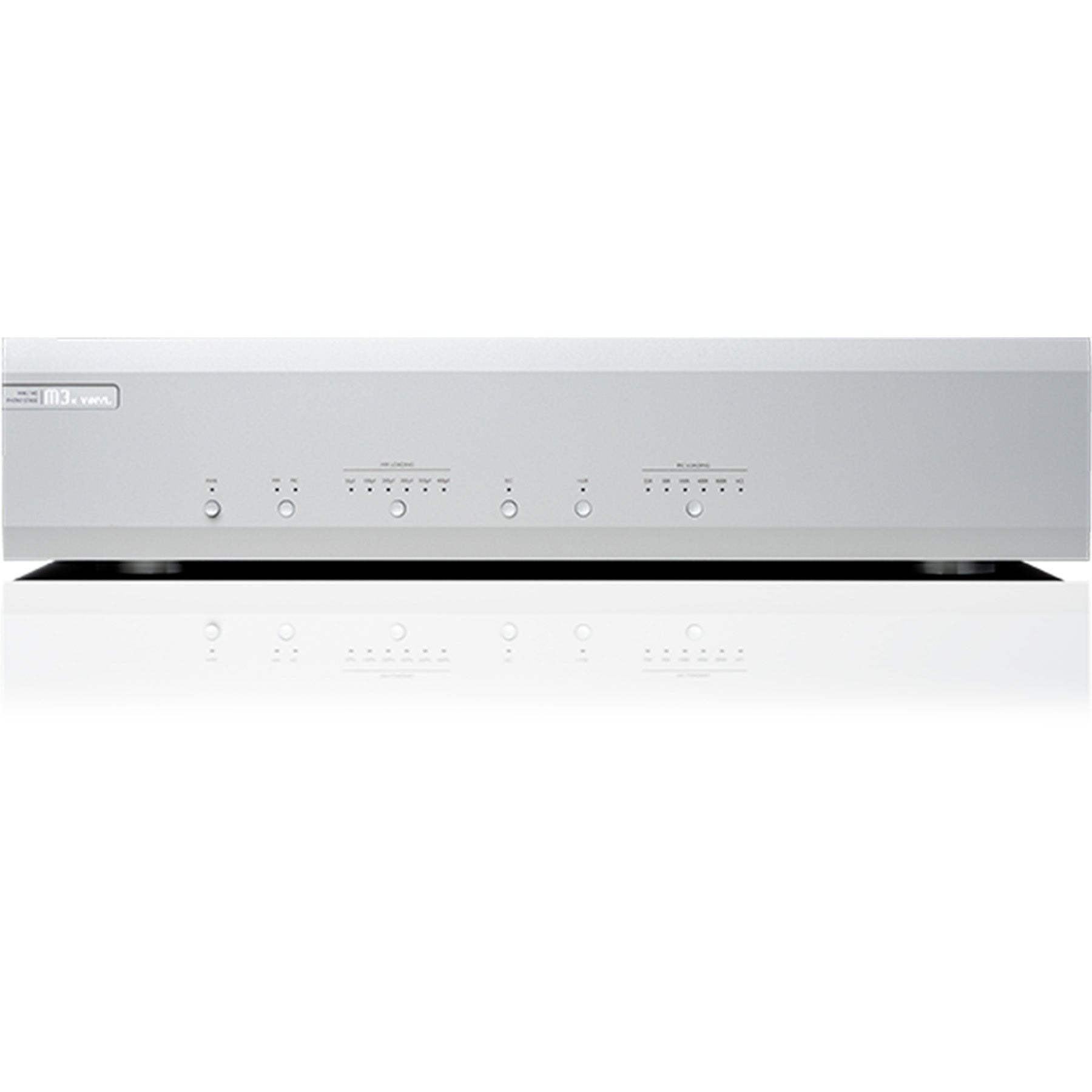
A RIAA preamplifier is a preamplifier used to play vinyl records. It has two important functions: to amplify the weak signal coming from the record cartridge and to correct the frequency curve of the signal, which was altered during the cutting process so it could be stored on the record.
The records are cut in such a way that the bass is reduced and the treble boosted, so the cartridge does not jump out of the groove, and to reduce noise and hiss. When the signal is amplified and sent to the speakers, the frequency response must be corrected again to provide accurate sound reproduction. Therefore, a RIAA amplifier is necessary.
A RIAA preamplifier corrects the frequency curve of the signal and amplifies it to a level that can be sent to the speakers. A RIAA preamplifier works in such a way that it adapts the signal to what has been cut into the record.
The choice of RIAA preamplifier depends on several factors, including your budget, the type of cartridge you have, and which amplifier you use. It is important to choose an RIAA preamplifier that is compatible with your cartridge, as different cartridges require different amplifiers.
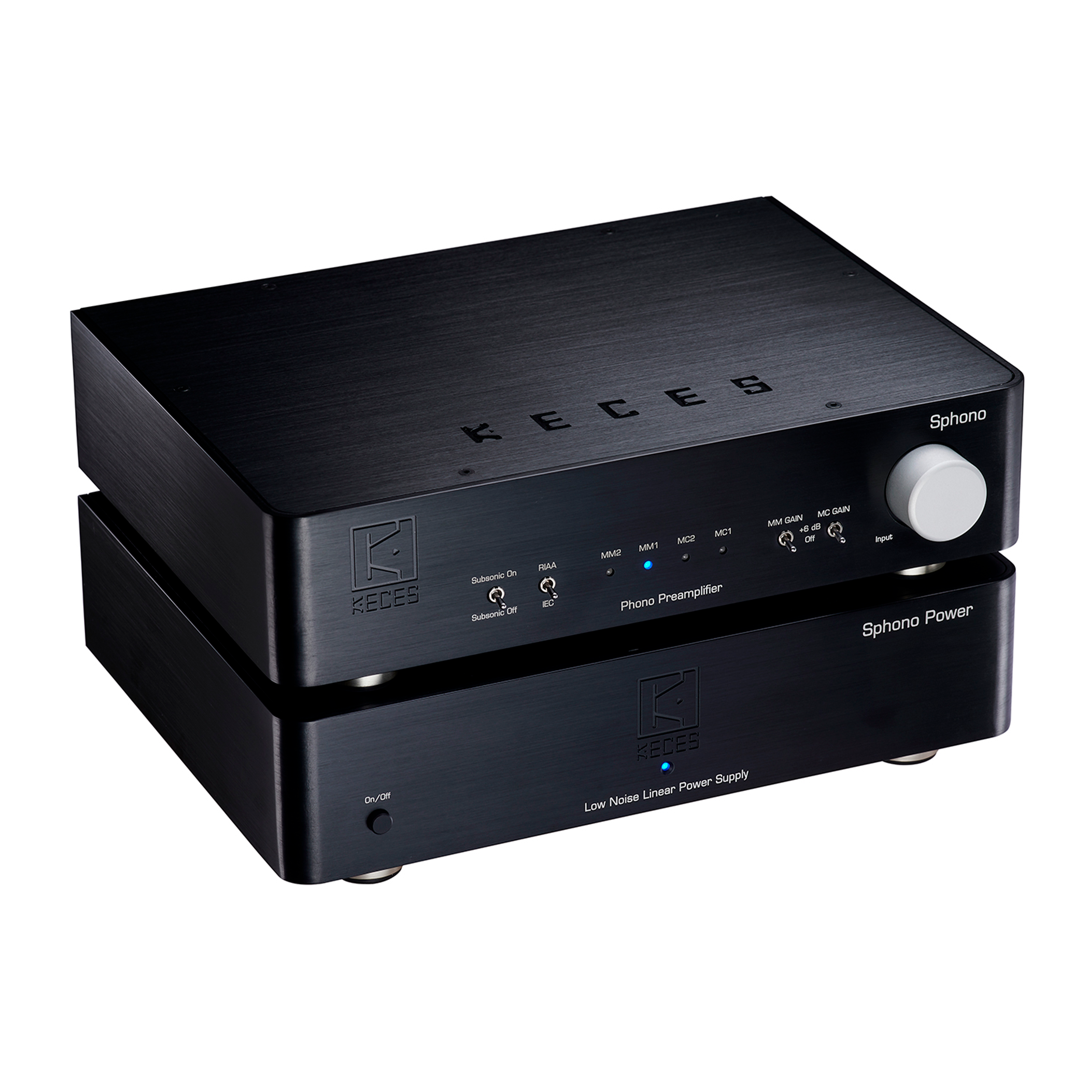
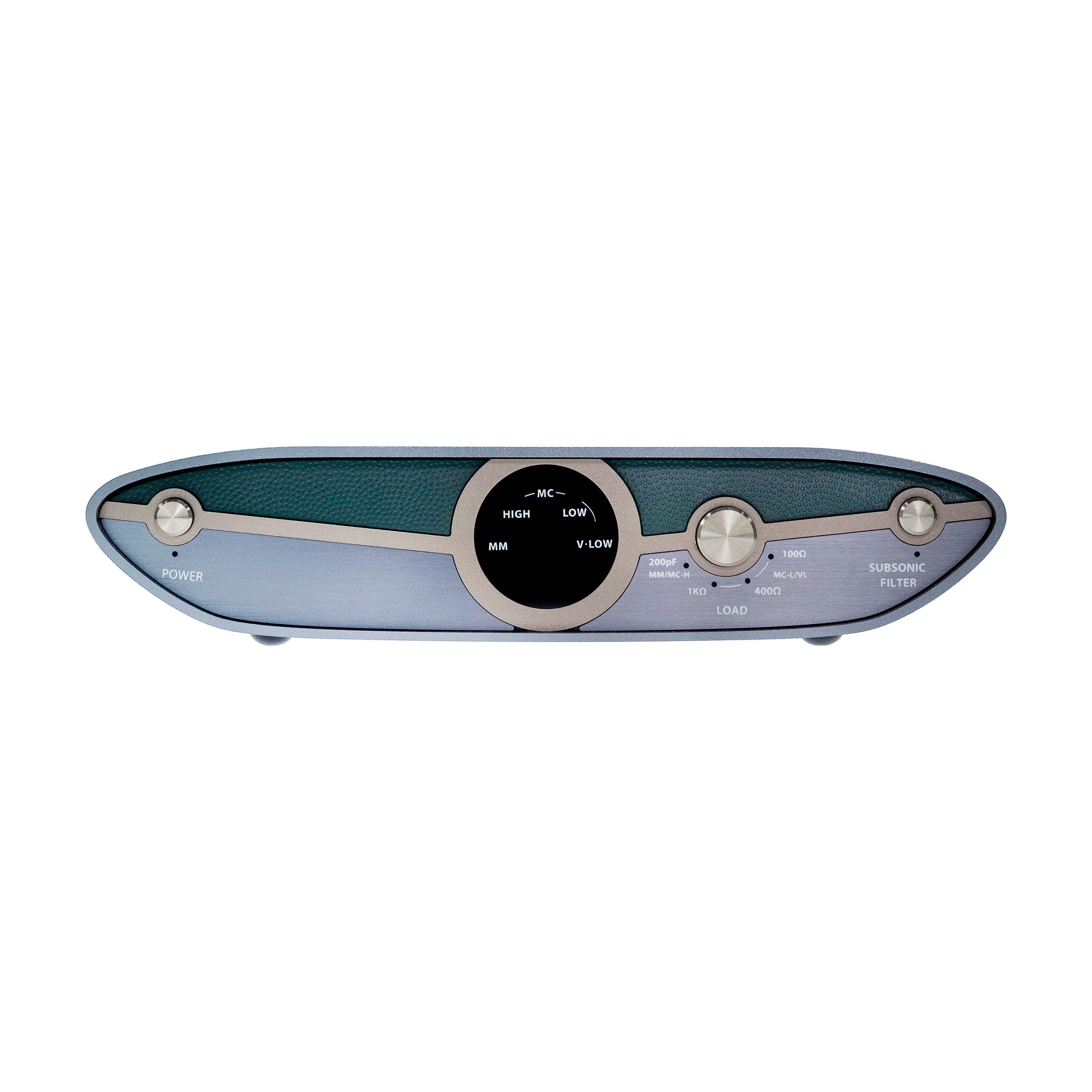
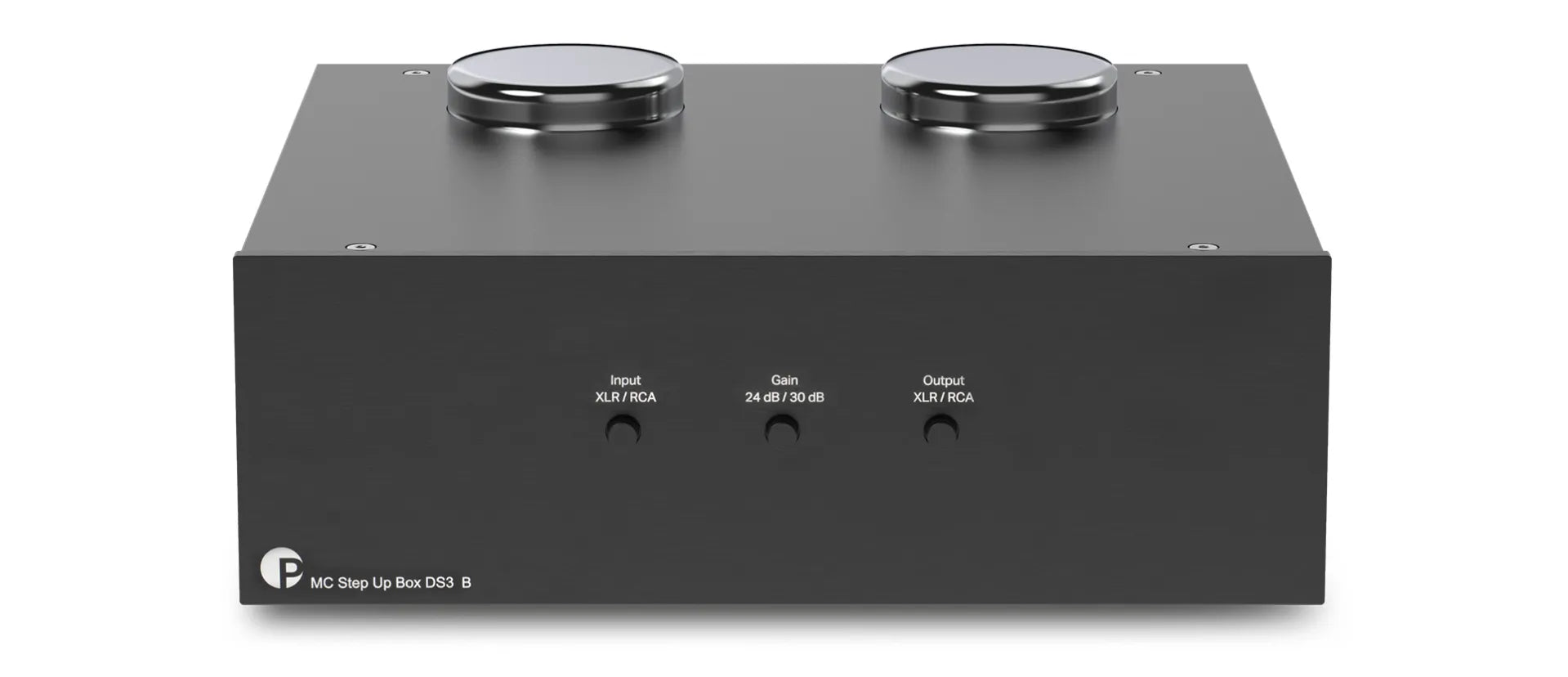
It depends on your system and your cartridge. There are two types of RIAA amplifiers: MM (moving magnet) and MC (moving coil). MM amplifiers work with MM cartridges, while MC amplifiers work with MC cartridges. MC amplifiers require higher gain than MM amplifiers because of the weaker signal. Finally, there are also RIAA amplifiers that work with both MM and MC cartridges.
