

What is an amplifier?
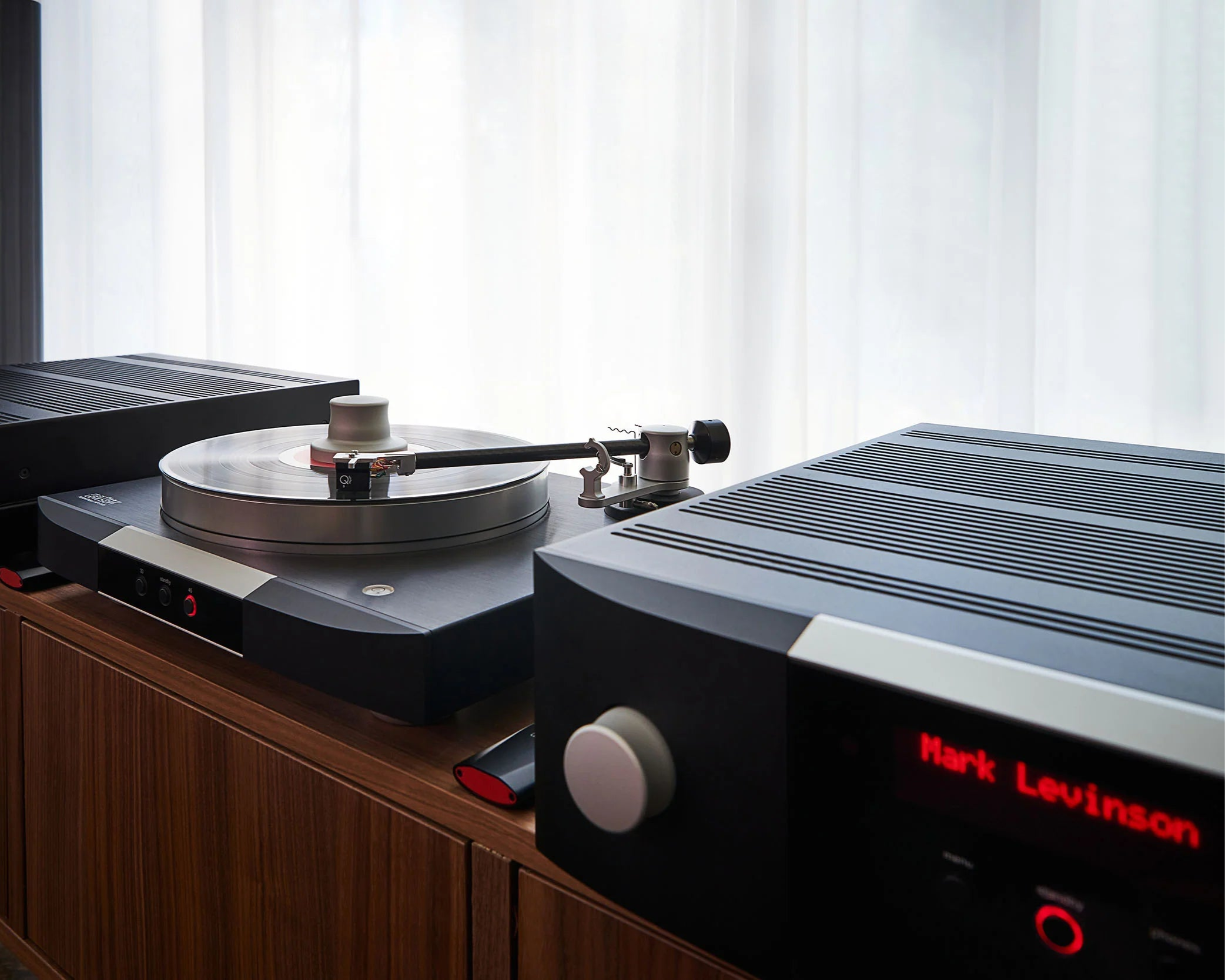
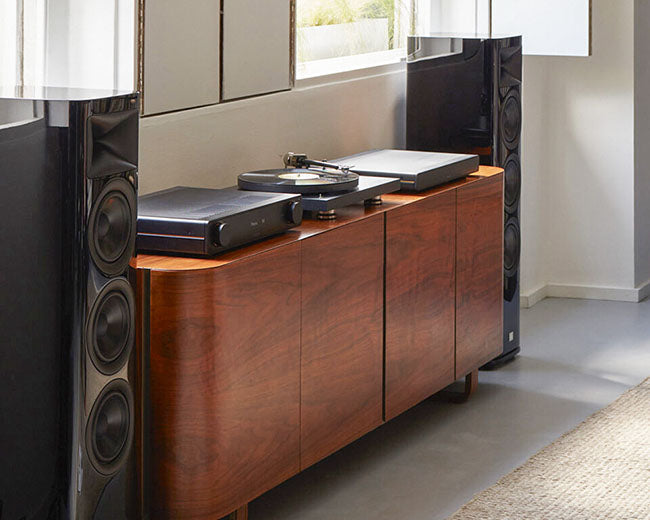
The amplifier is an essential component in any form of sound reproduction; wherever sound is reproduced, an amplifier will naturally be part of the circuit. As the name suggests, the amplifier’s task is to amplify a given signal from a given source, whether that is the signal from a CD player, streamer, turntable, or similar. The signals from these sources are relatively weak in themselves and therefore need to be amplified in order to be converted into audible sound.
Broadly speaking, an amplifier consists of two essential parts: a preamplifier section and a power amplifier section. The job of the preamplifier section is to convert the signals from the source into a language the power amplifier section can understand, so that it is then able to amplify the signal further to your speakers.
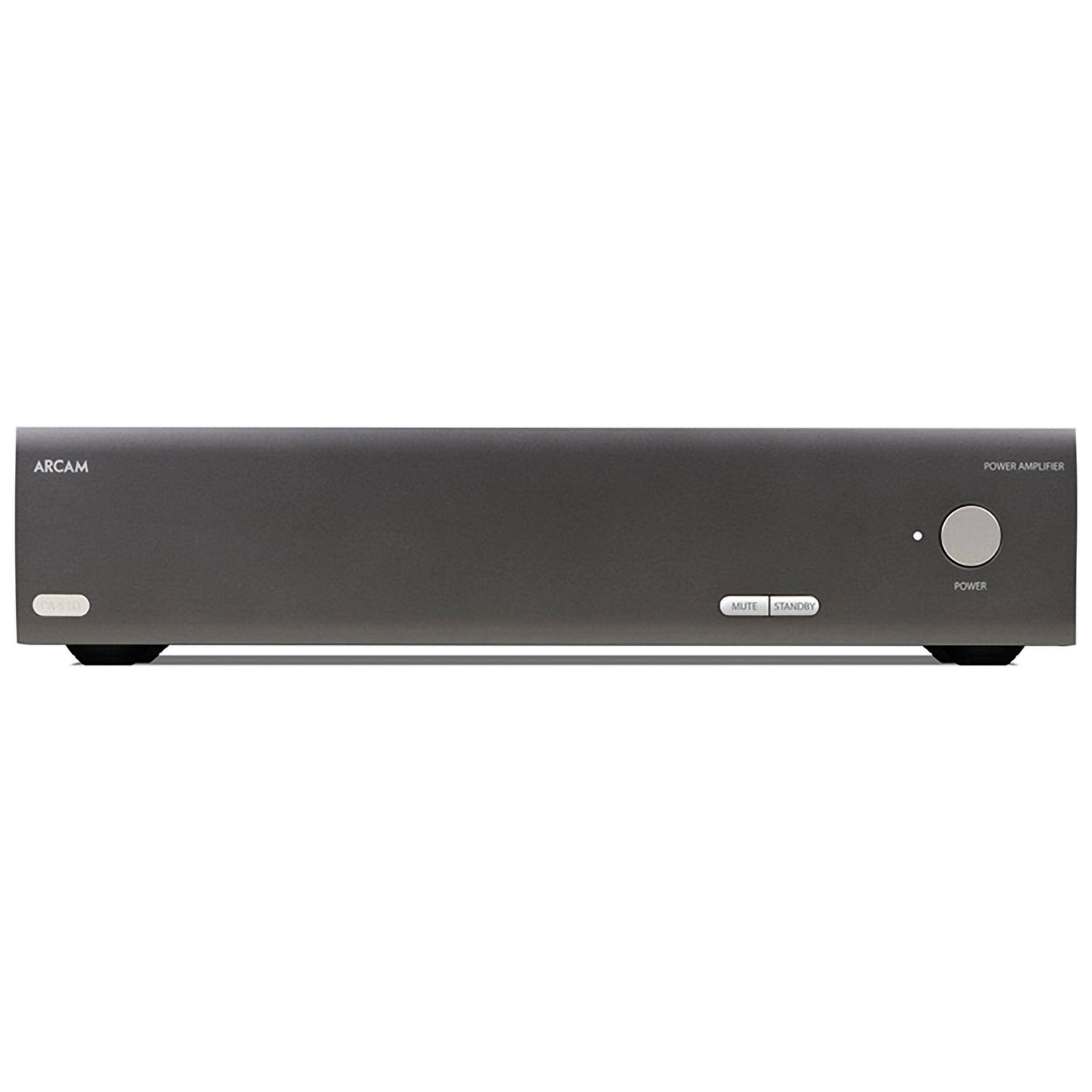
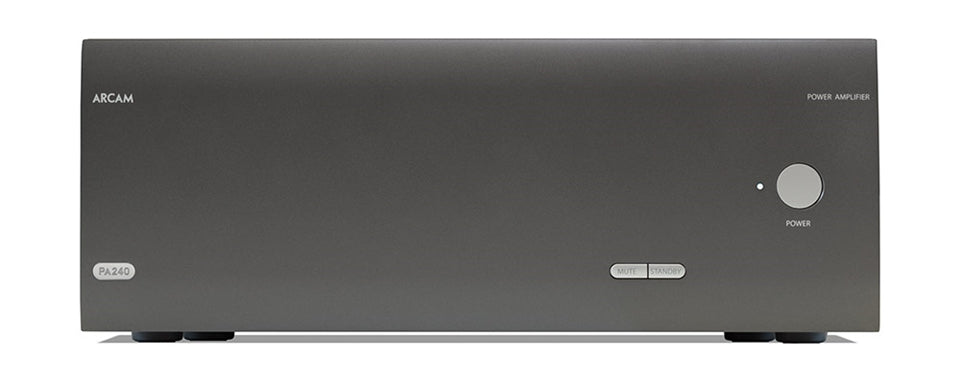
The job of the power amplifier is to amplify the signal from the preamplifier and send this amplified signal on to your speakers. The more powerful the power amplifier, the more powerfully and loudly you can play. In other words, you could say that the preamplifier section is the brain of the amplifier, while the power section is the muscles.
There are several different types of amplifiers, and in principle they all perform the same task: namely, to process signals while also amplifying them into audible sound.
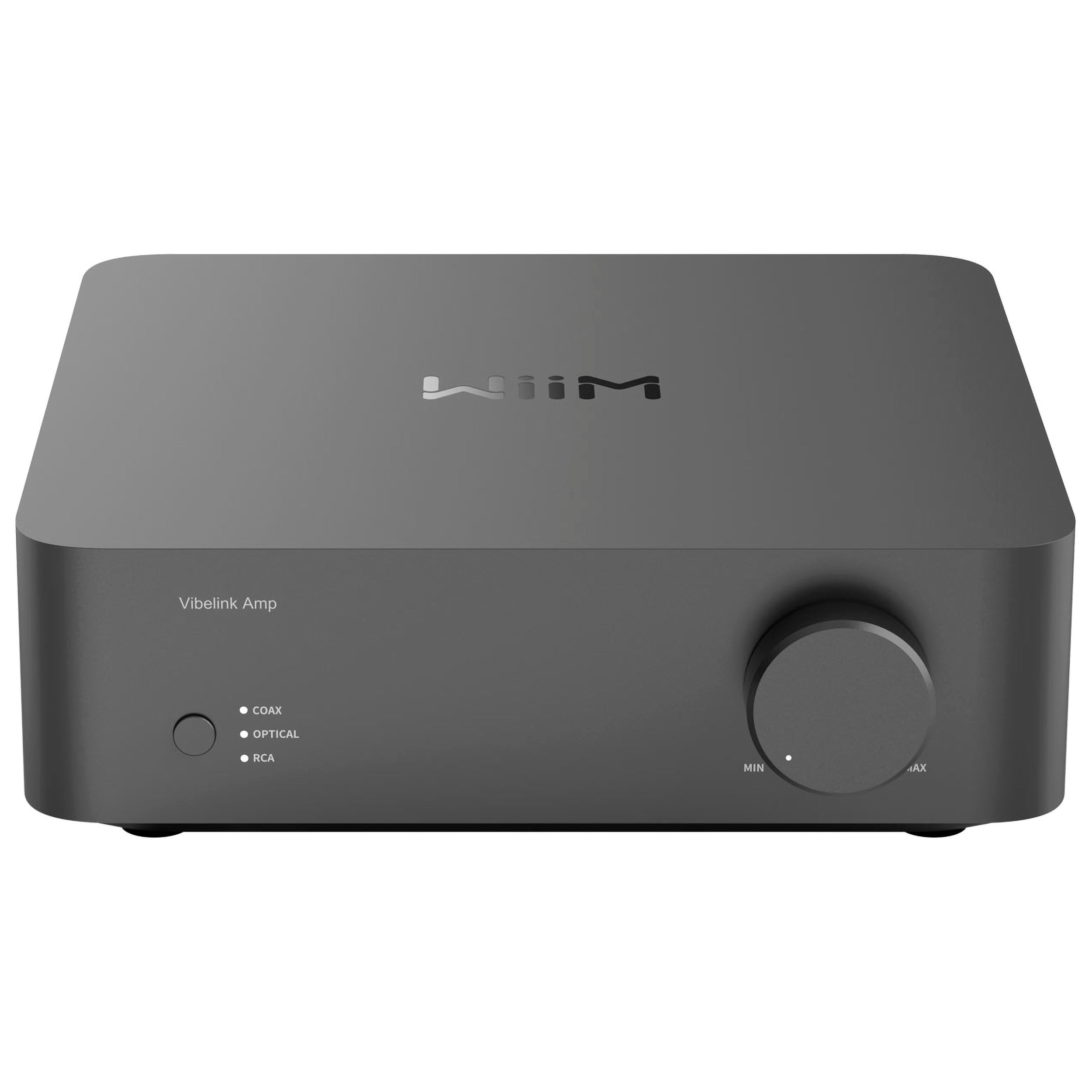
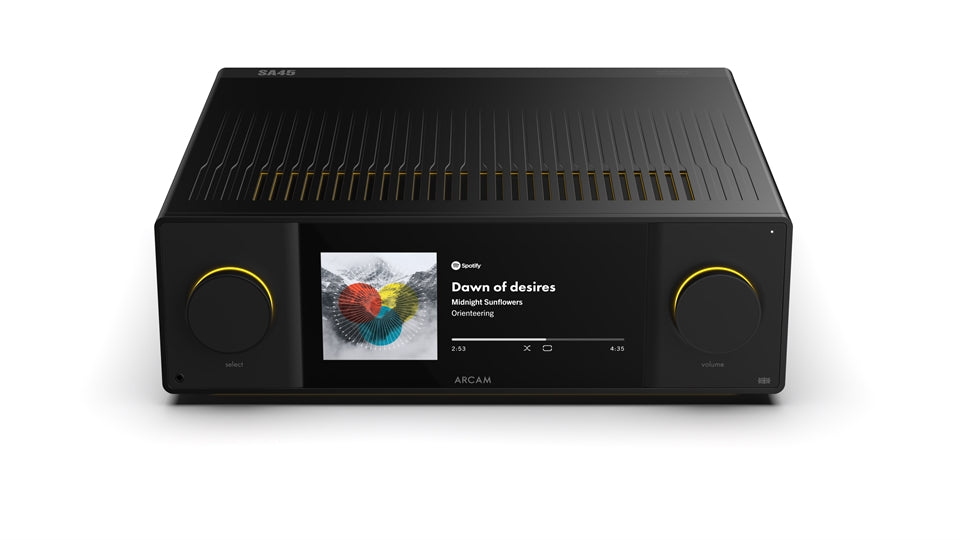
Integrated amplifier
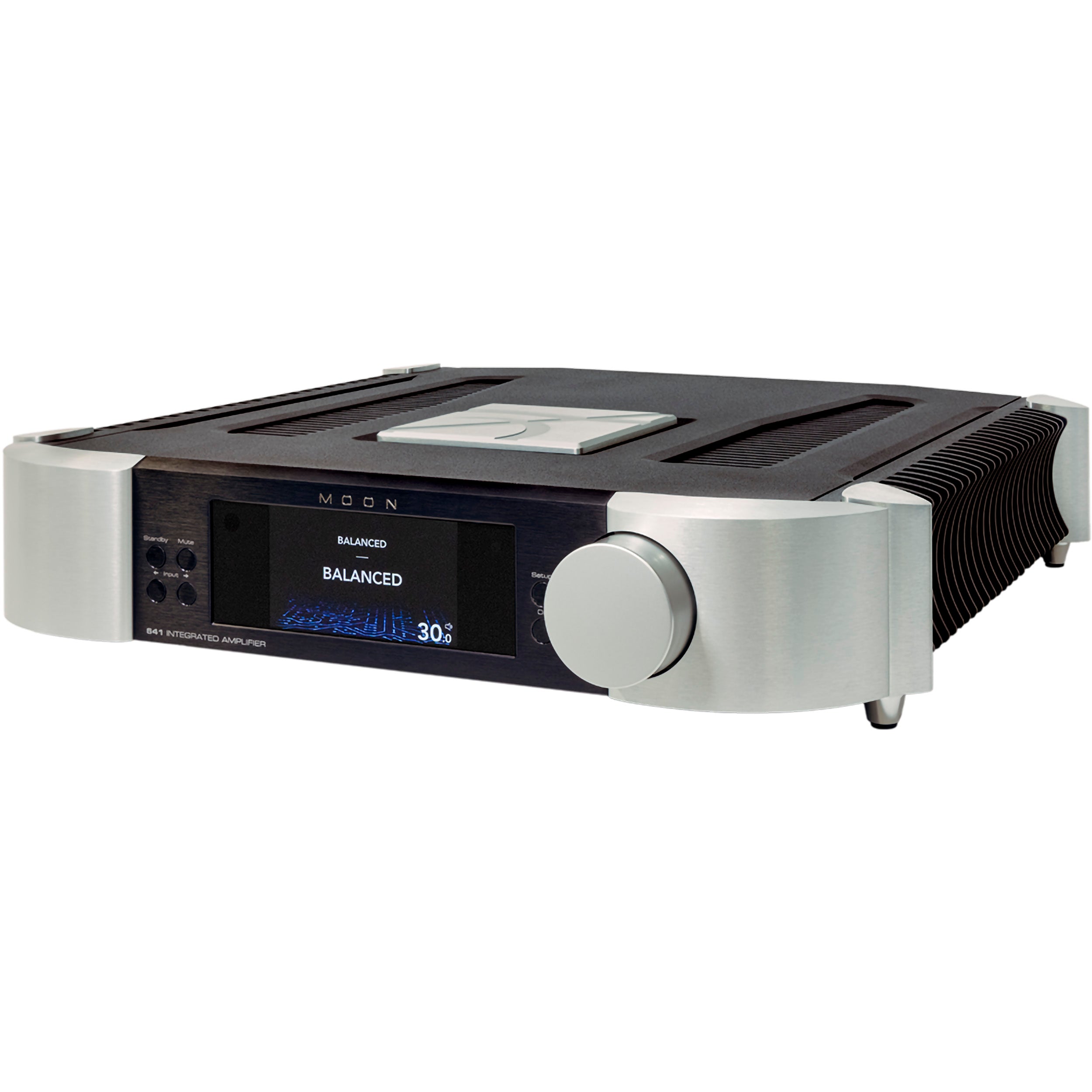
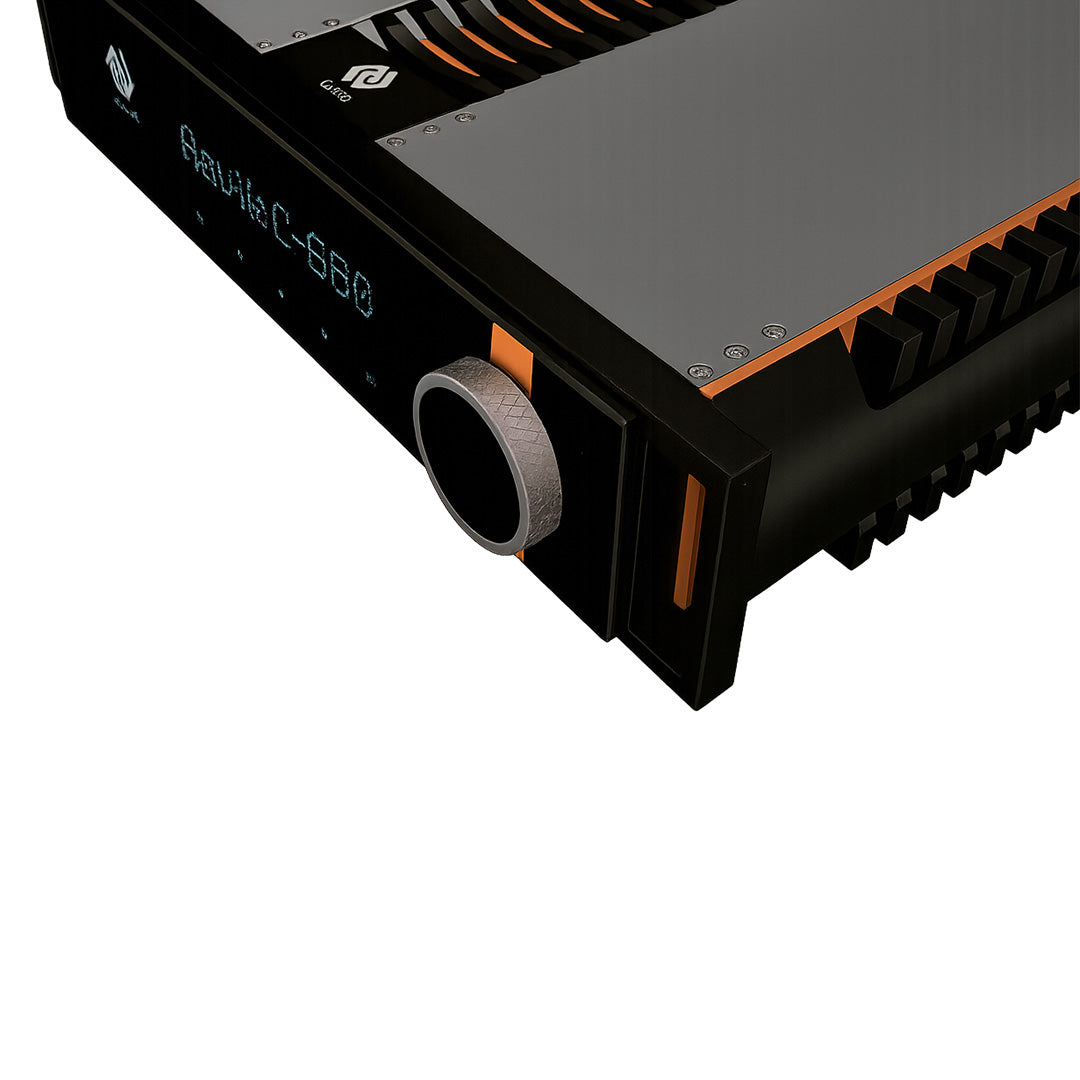
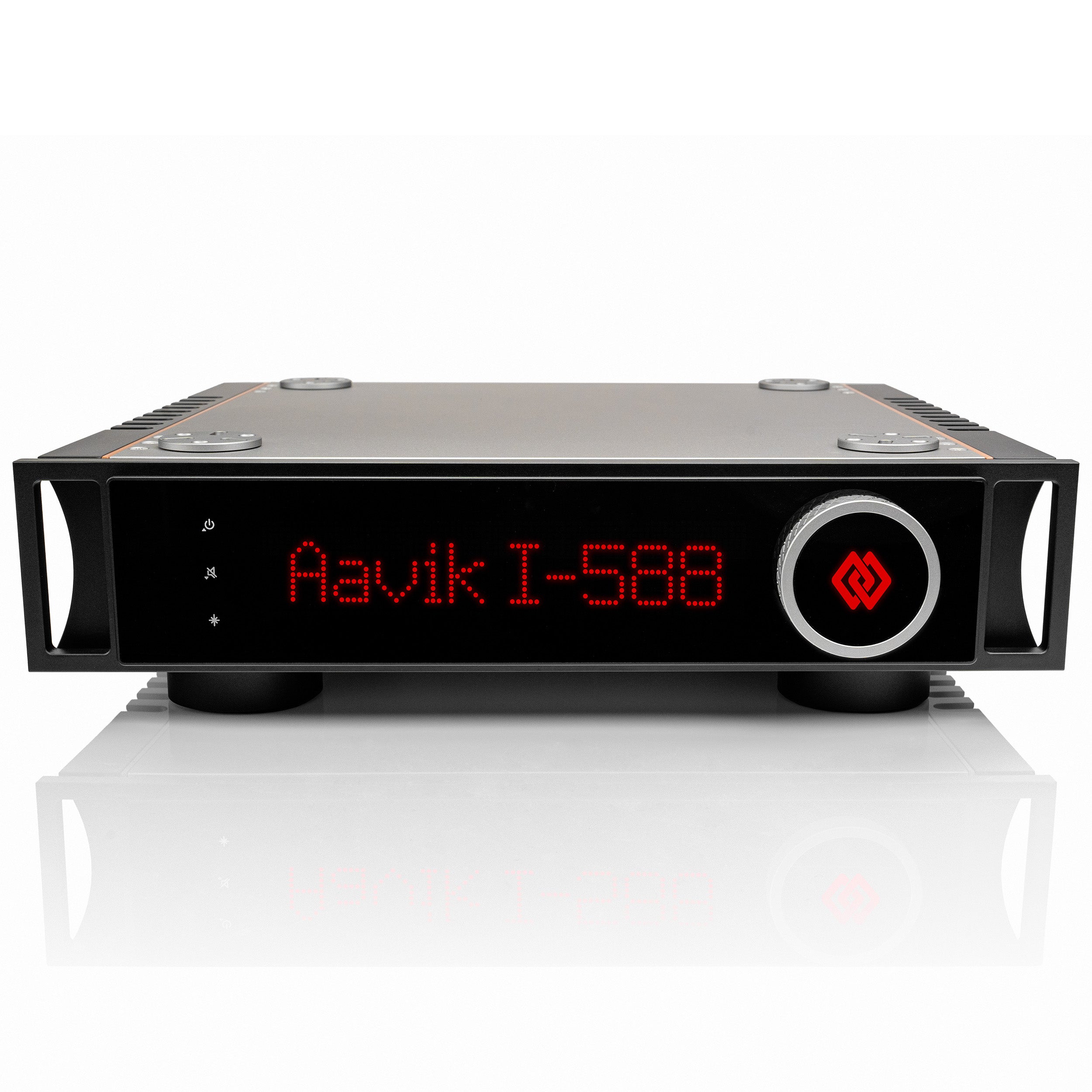
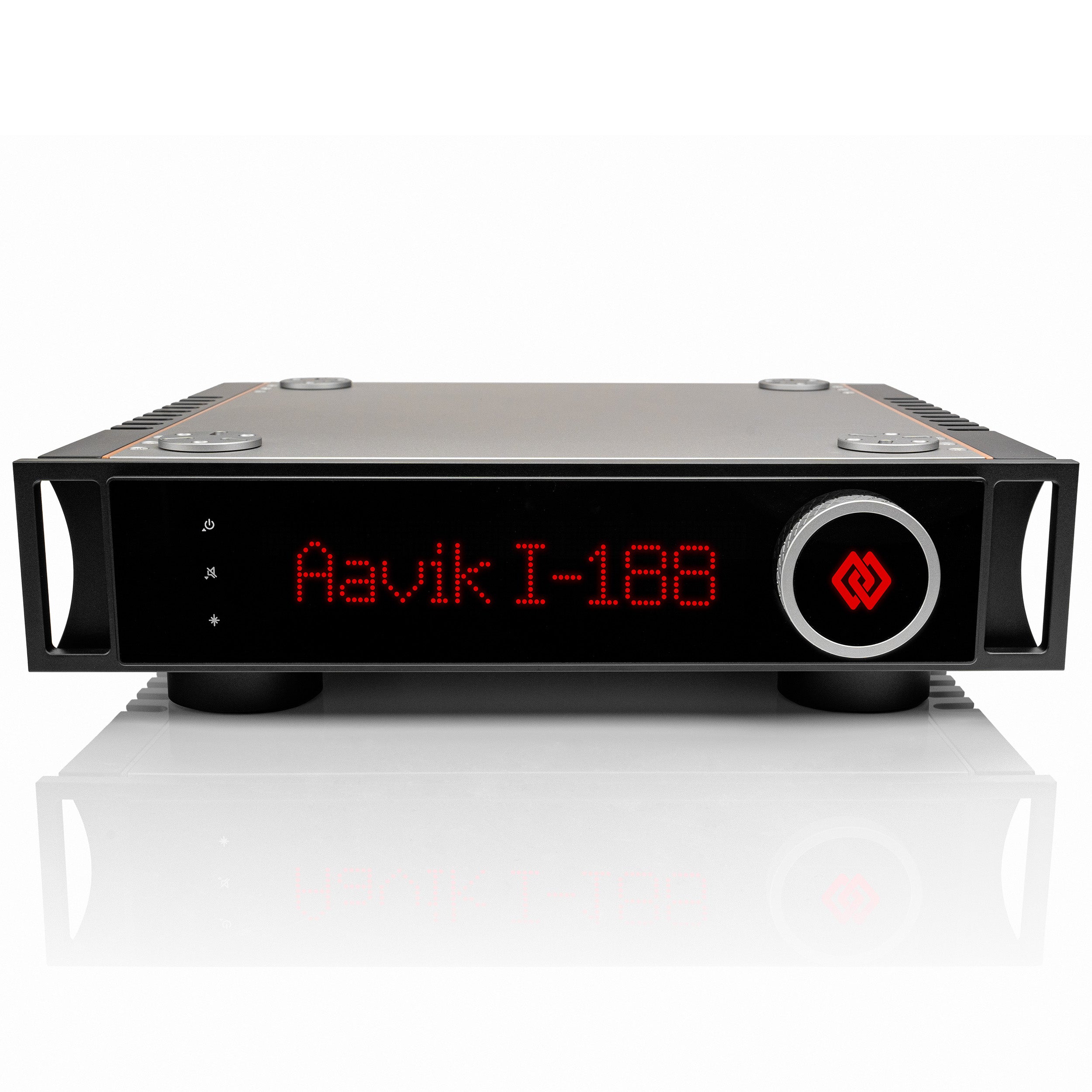
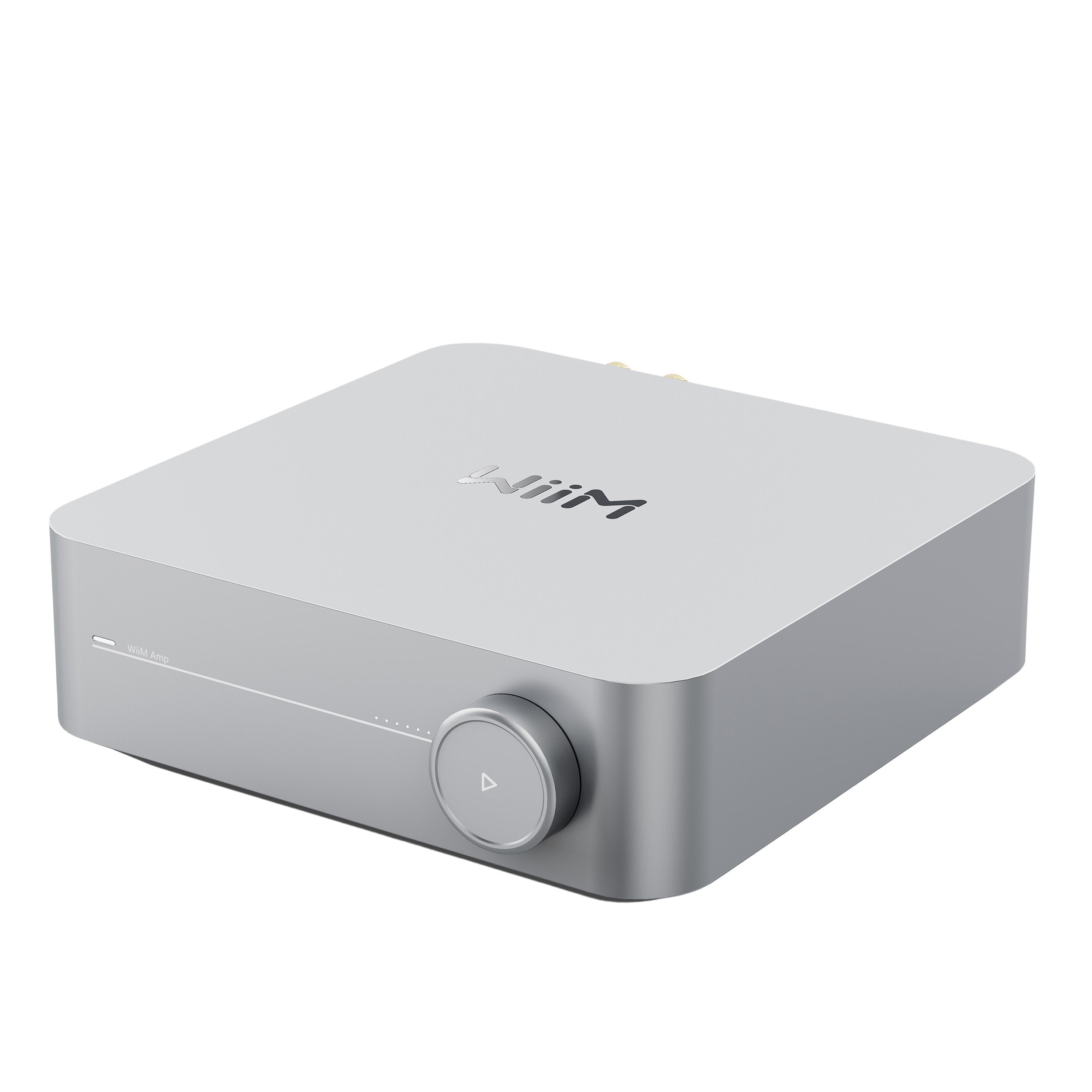
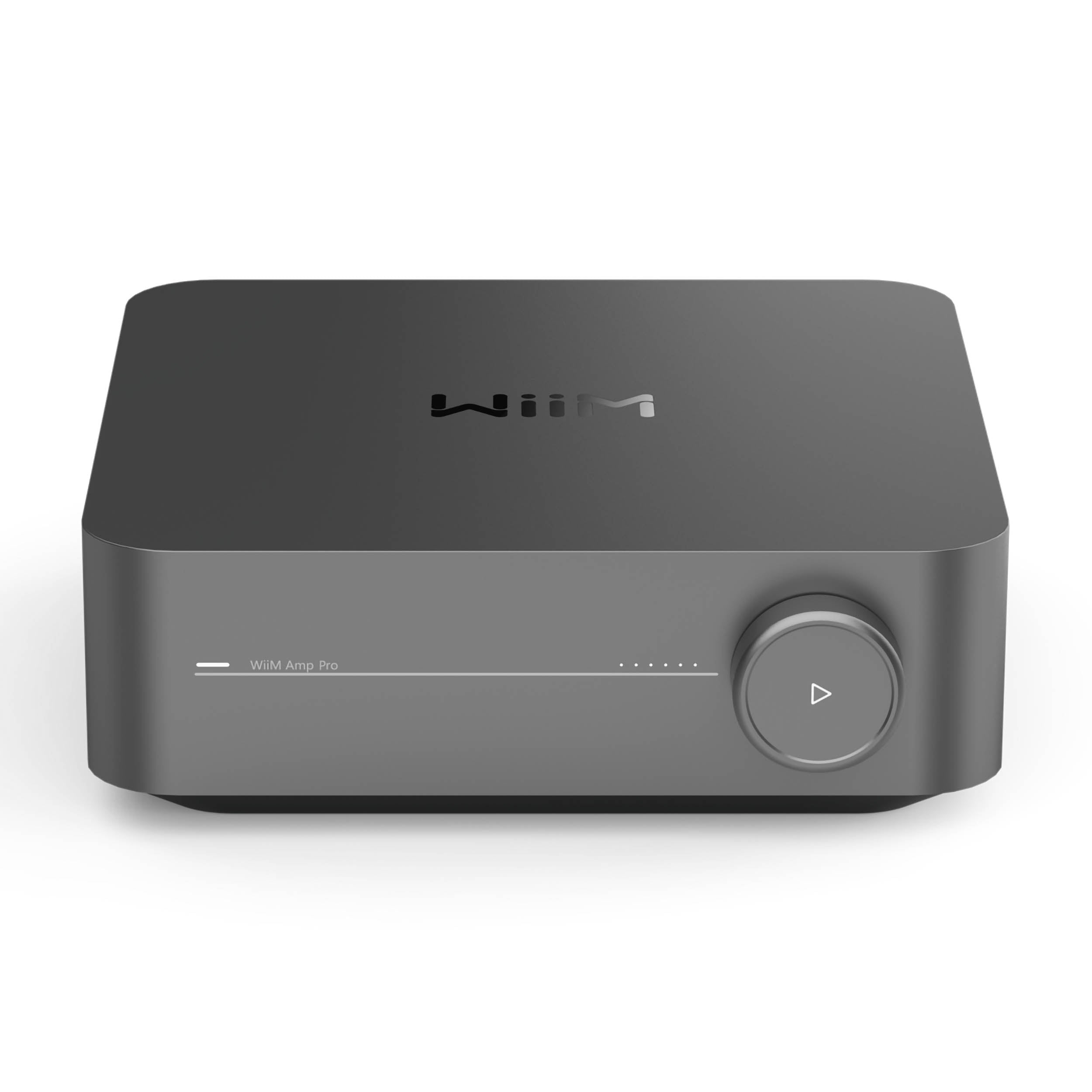
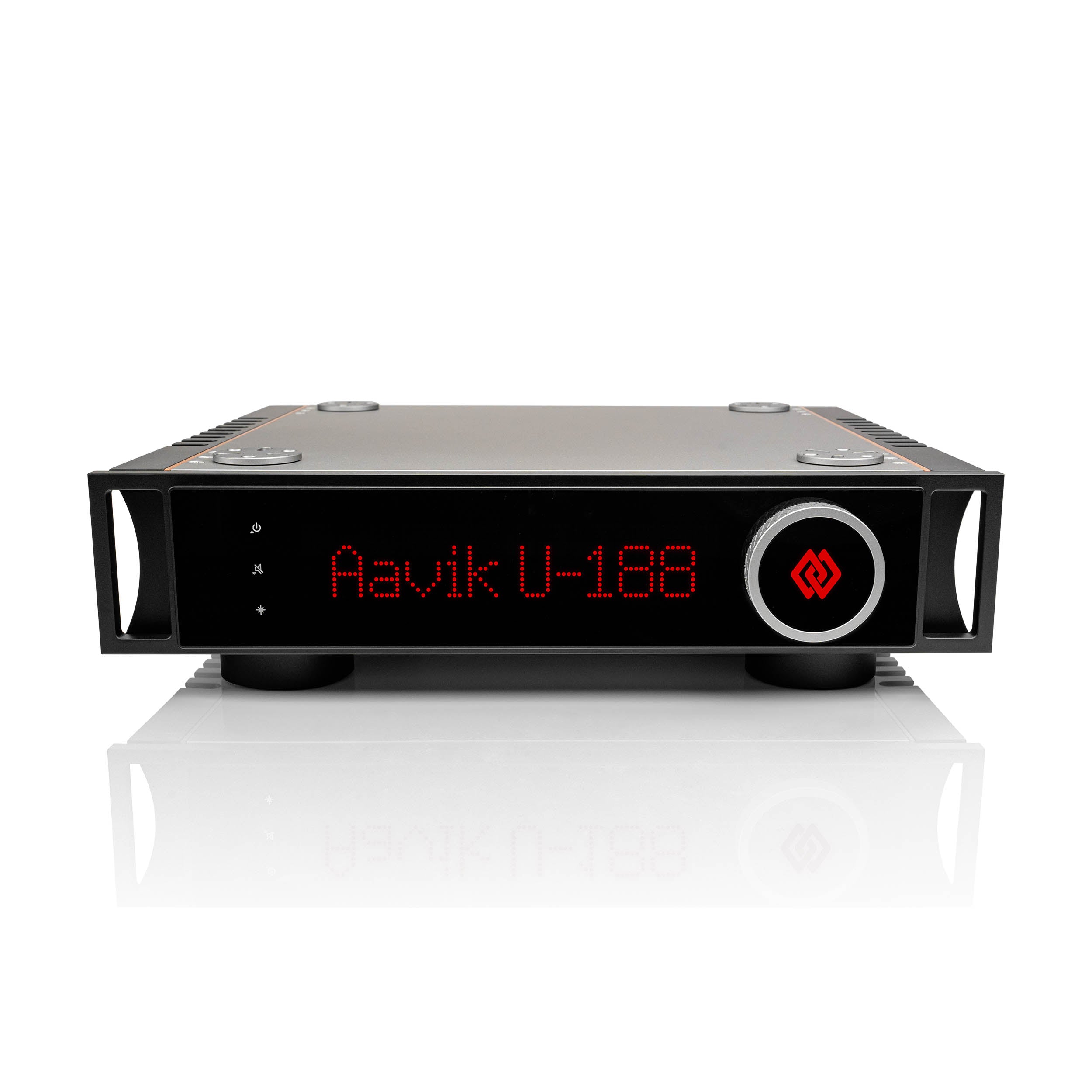
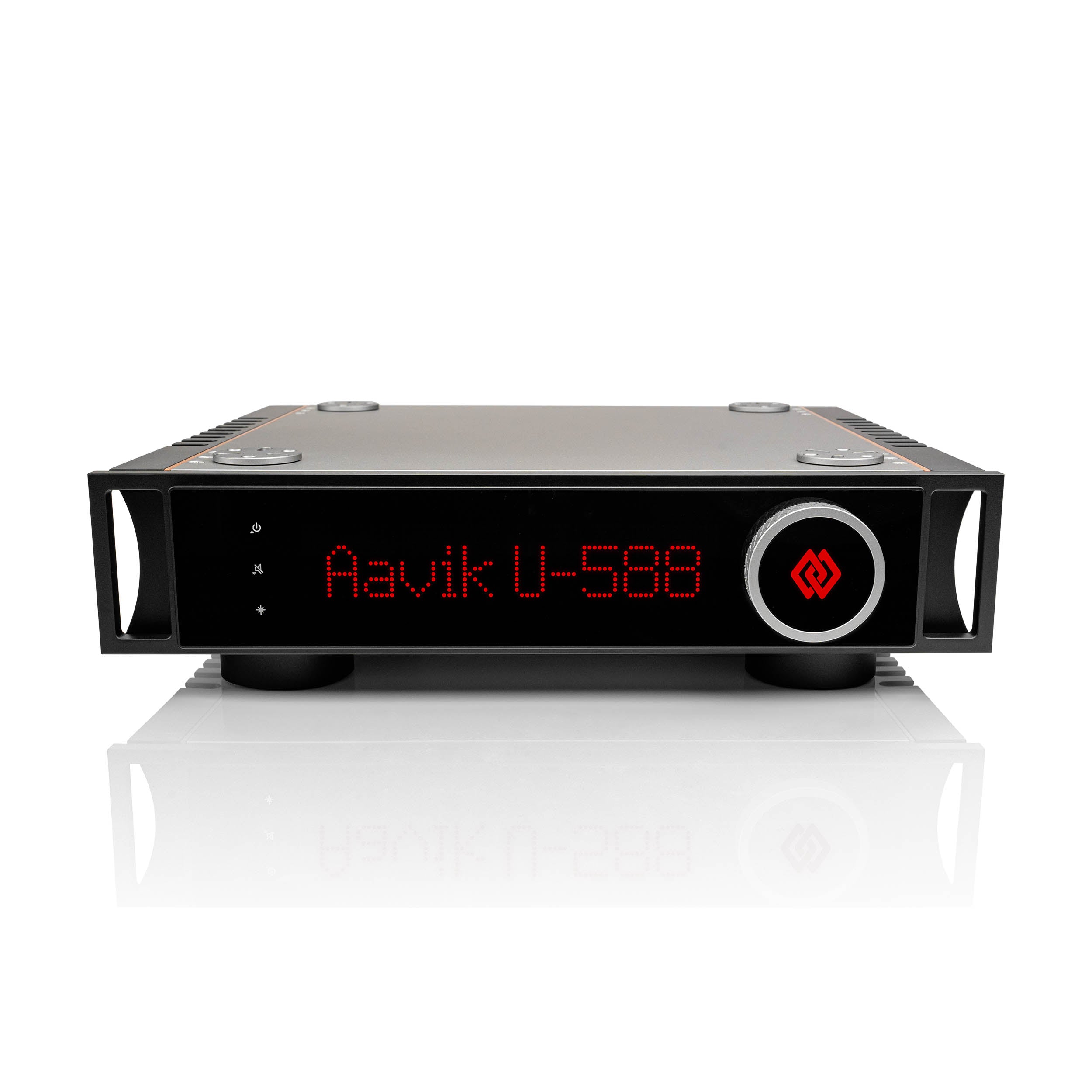
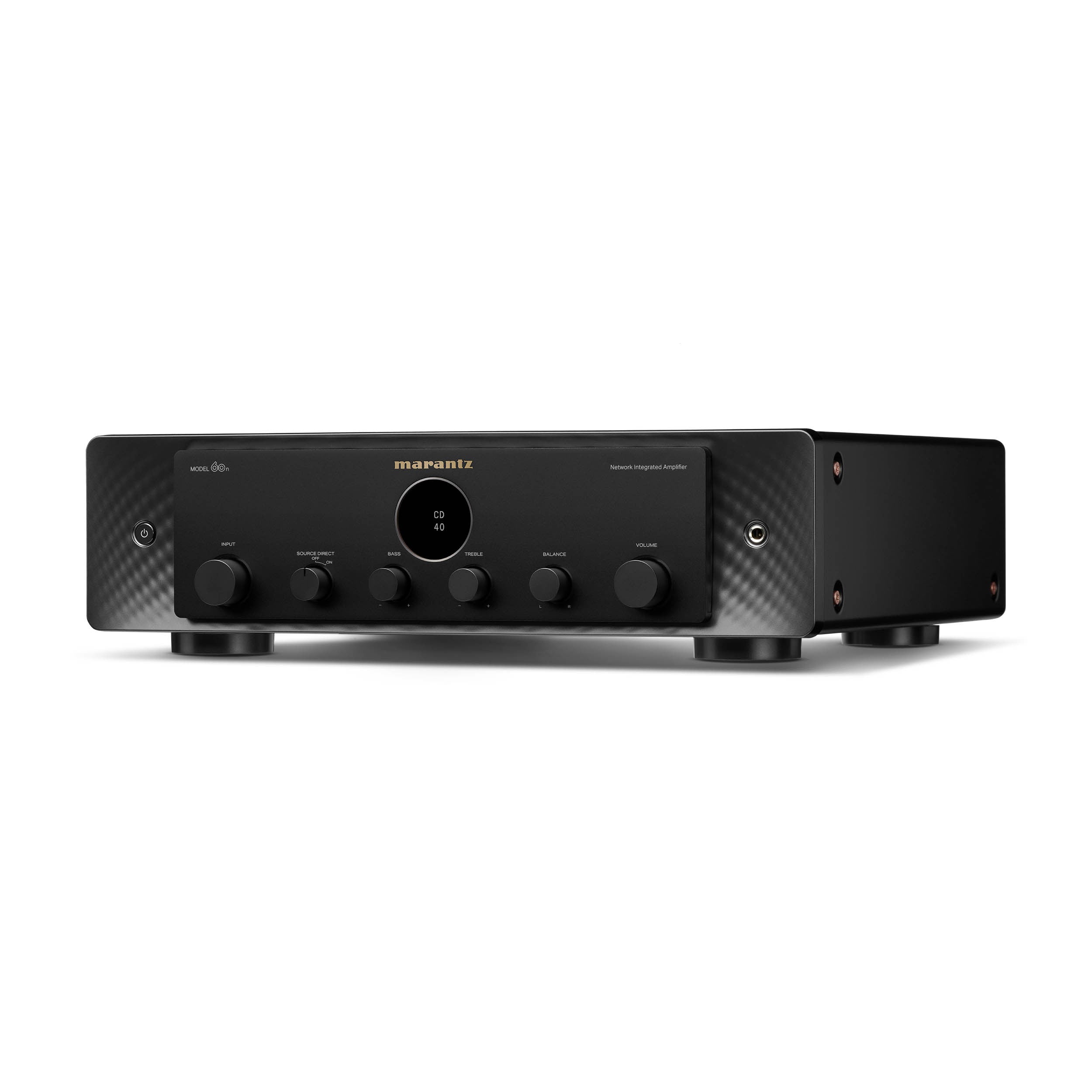
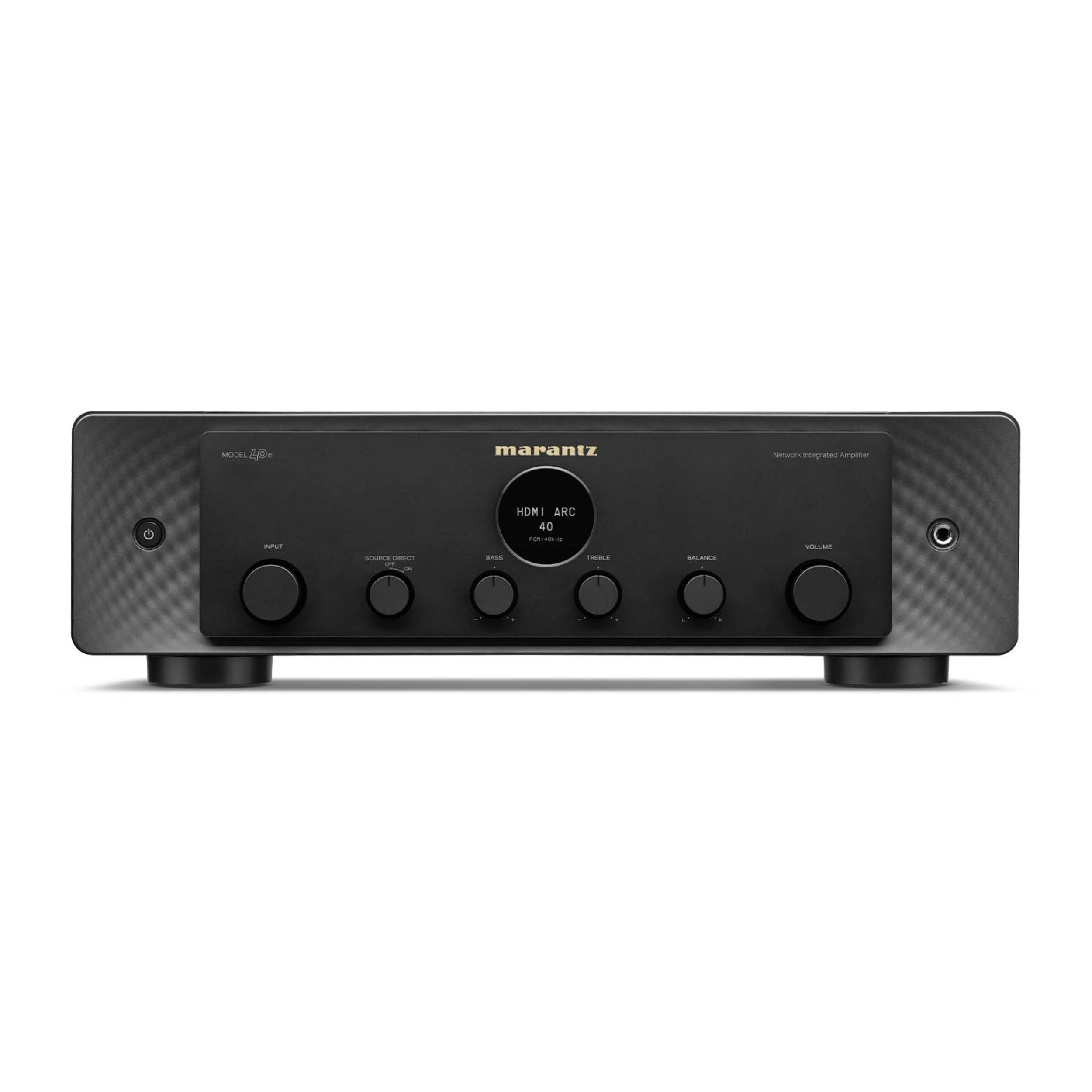
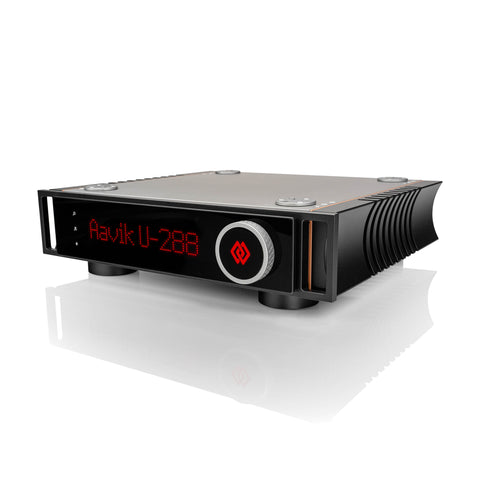
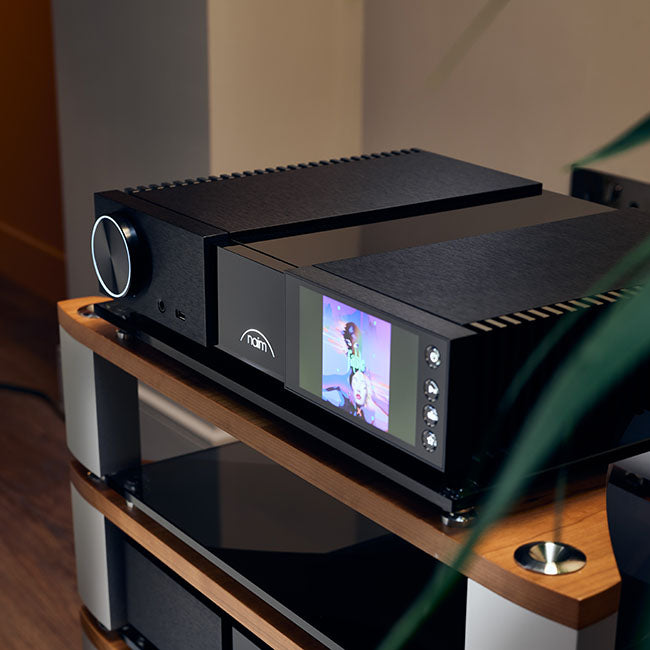
The integrated amplifier is the most commonly used and best-known type of amplifier, and it contains both a preamplifier and a power amplifier section in one and the same unit. All the different sources you may have in your system are connected to the integrated amplifier, and the speaker cables are also connected here so the sound can be sent on to your speakers.
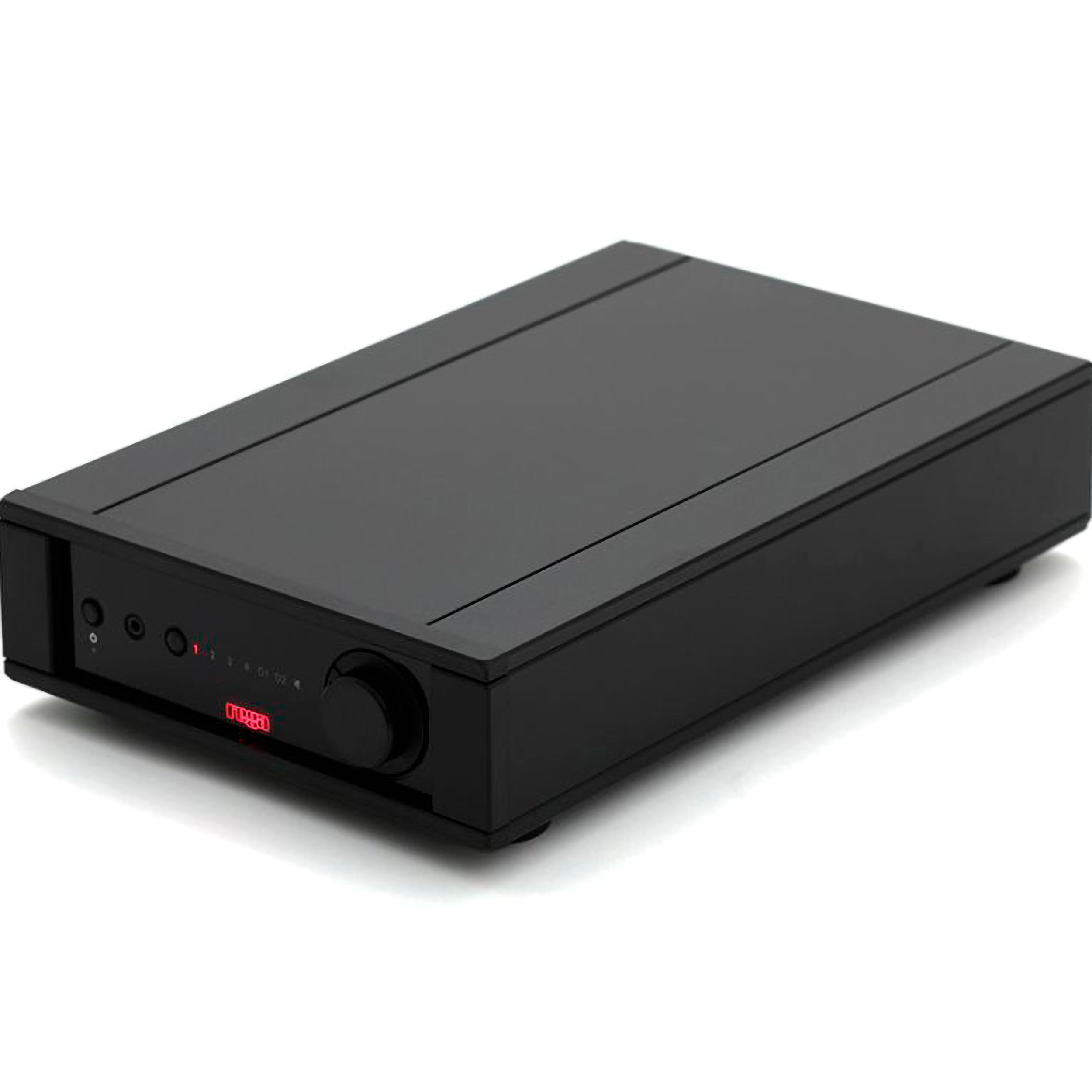
Every integrated amplifier is equipped with a so-called volume control, and this is how you adjust the volume to the desired level. There are different versions of the integrated amplifier; some are more powerful and larger than others, and some are equipped with both a DAC and “streaming modules.” This means that, in principle, you can make do with just one unit to play music together with your speakers.
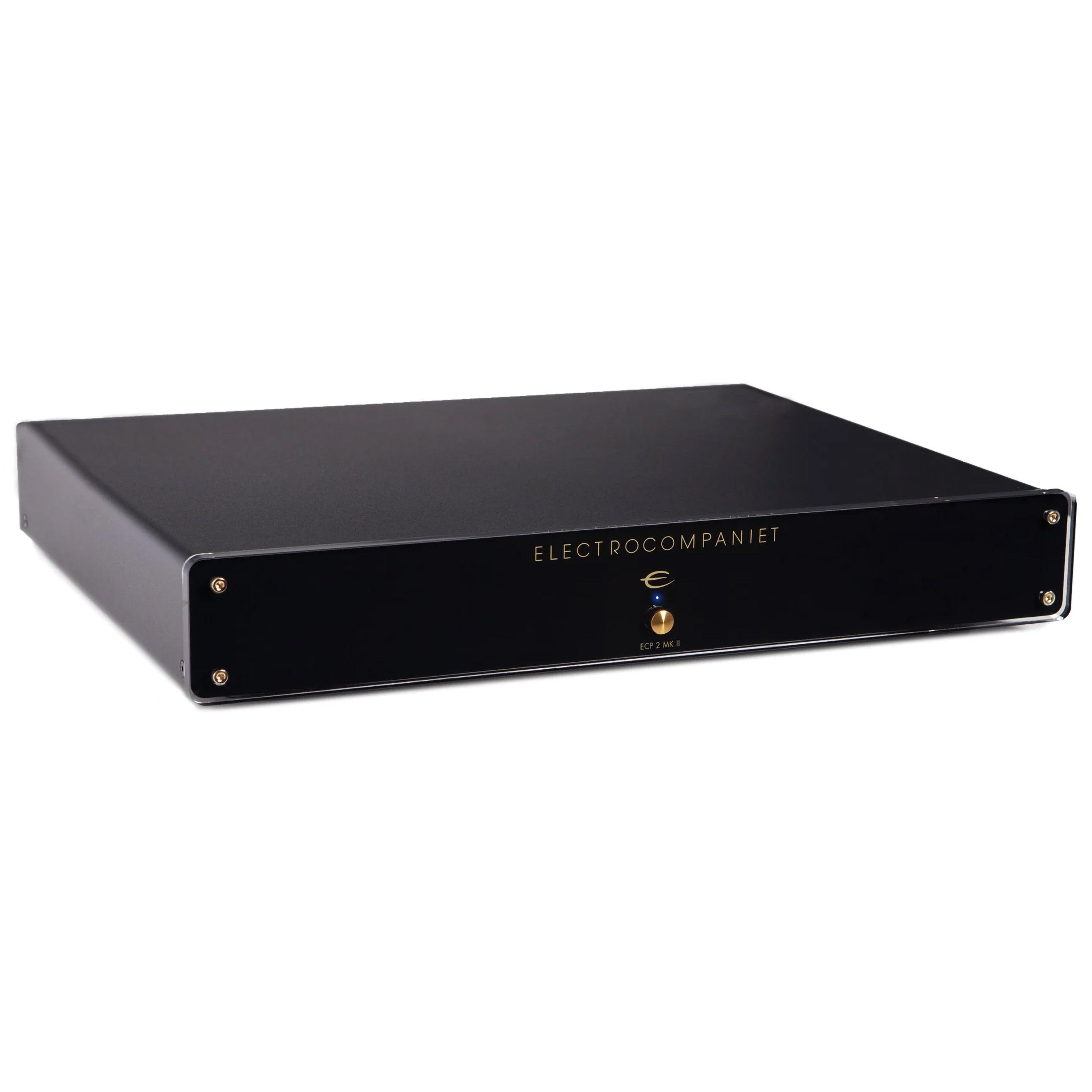
Preamplifier & power amplifier
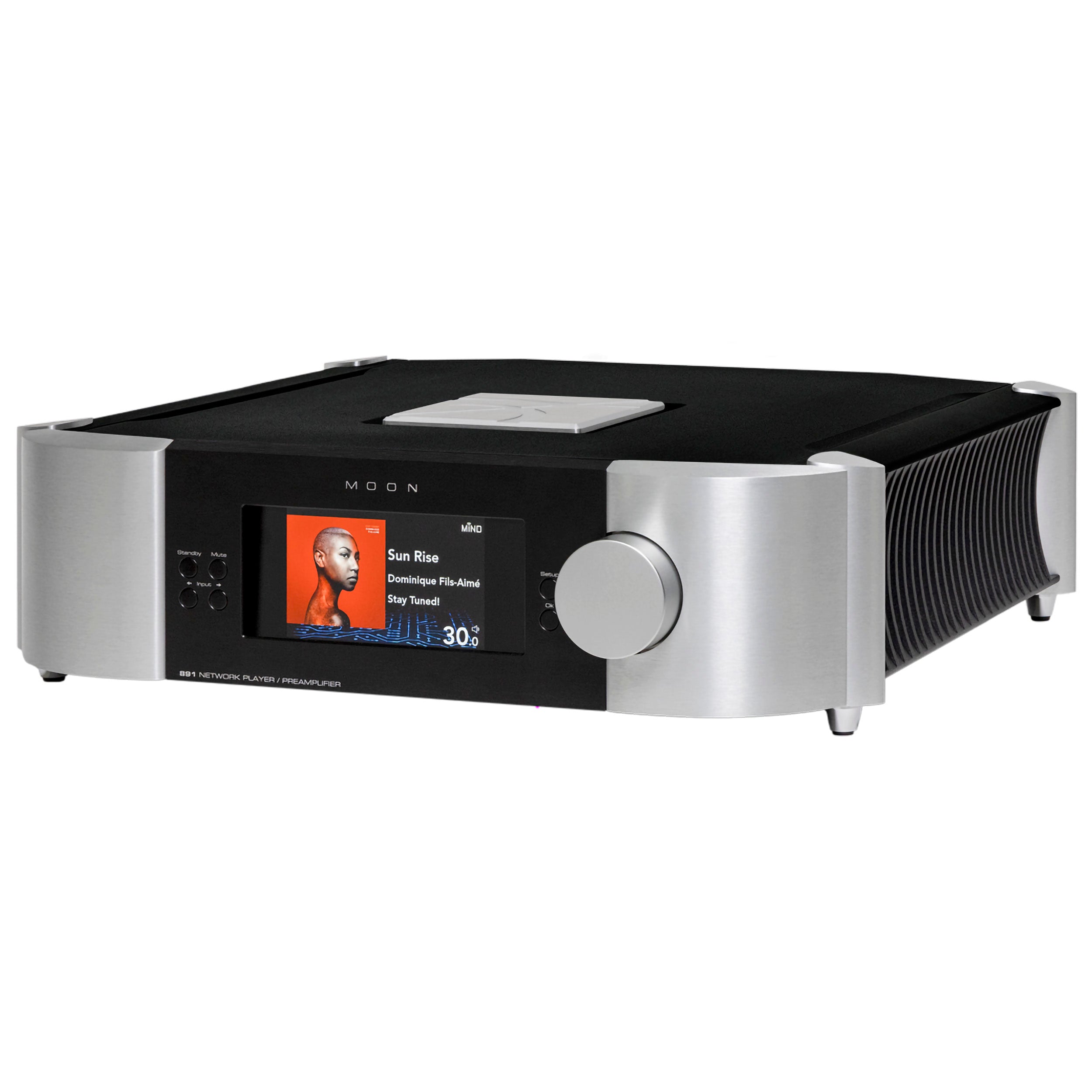
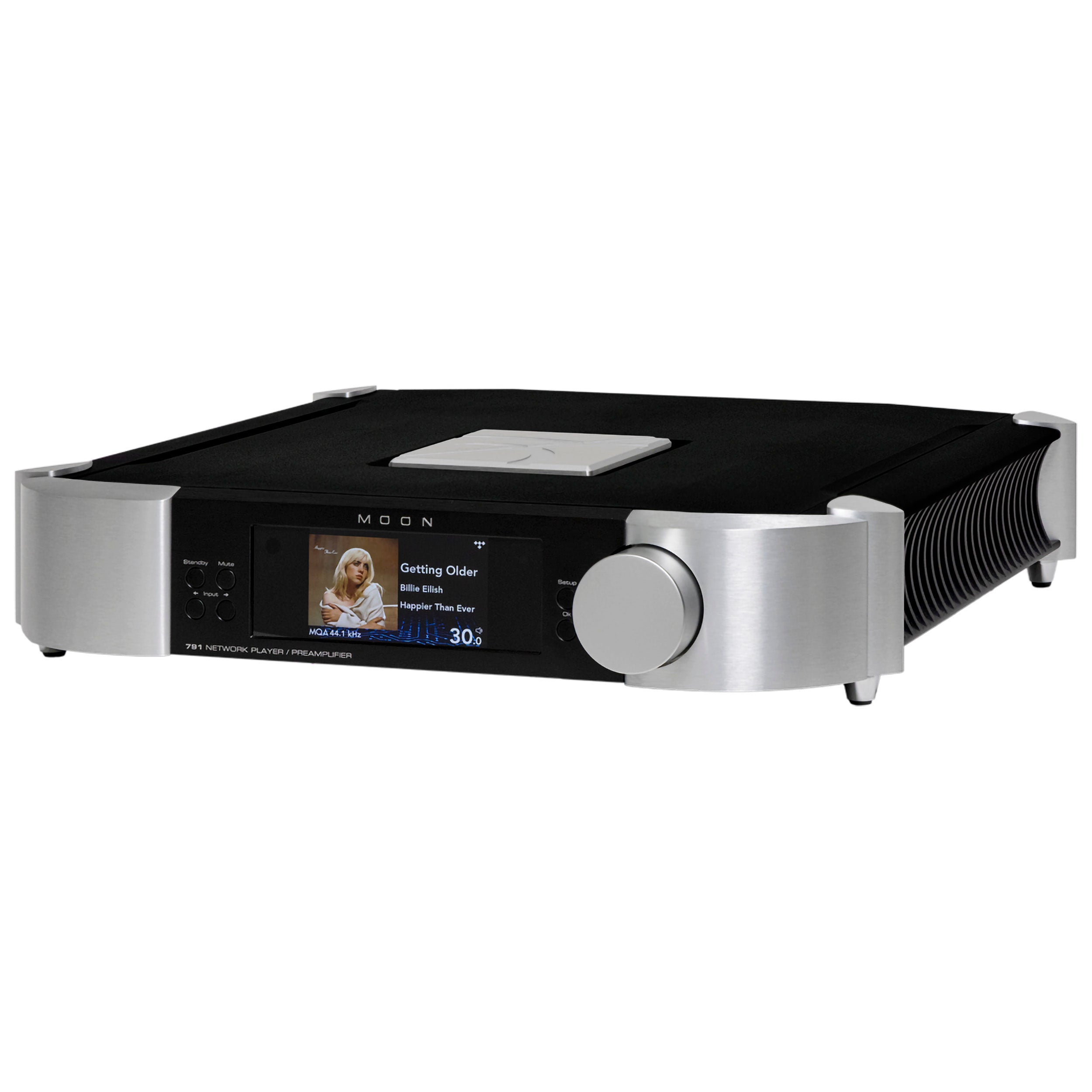
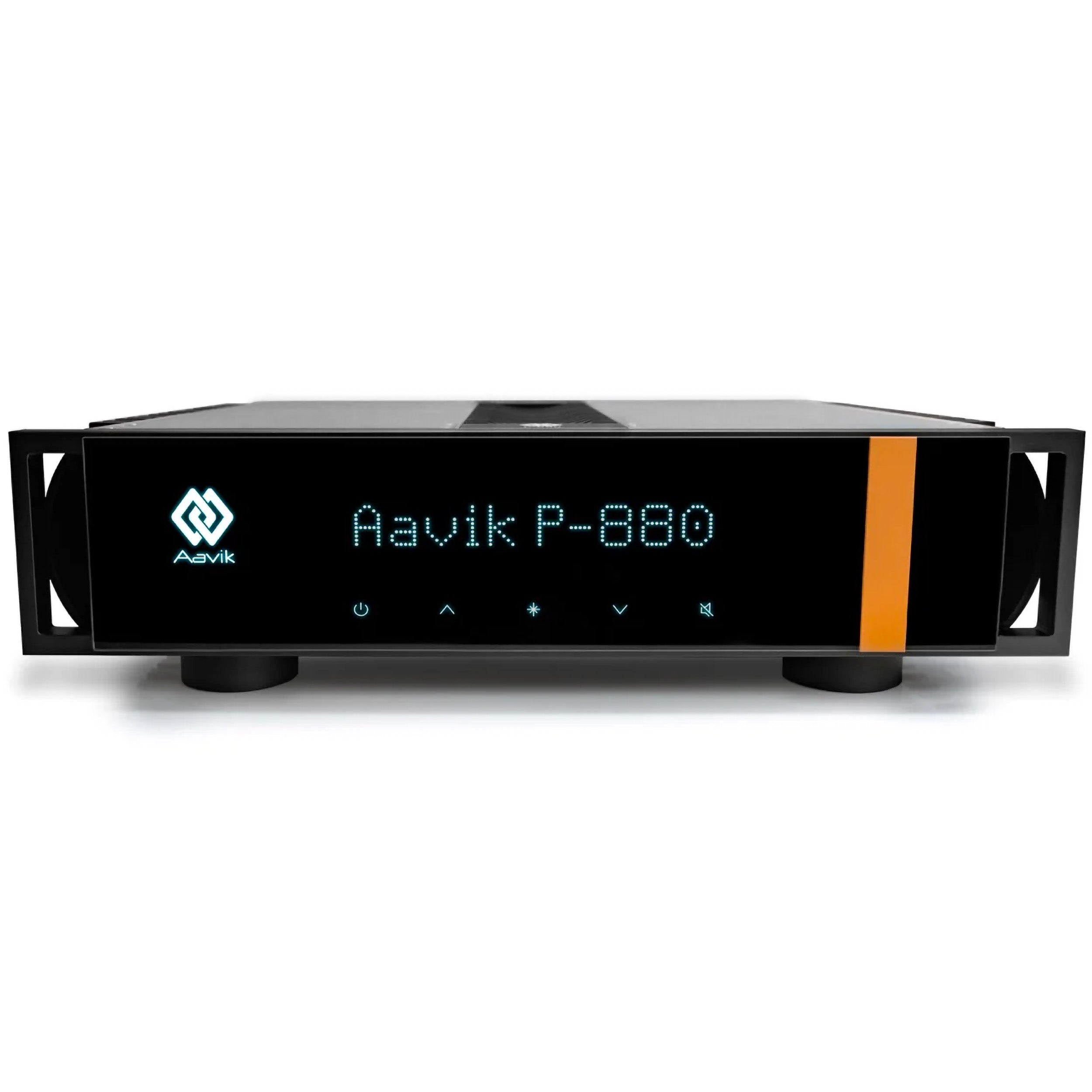
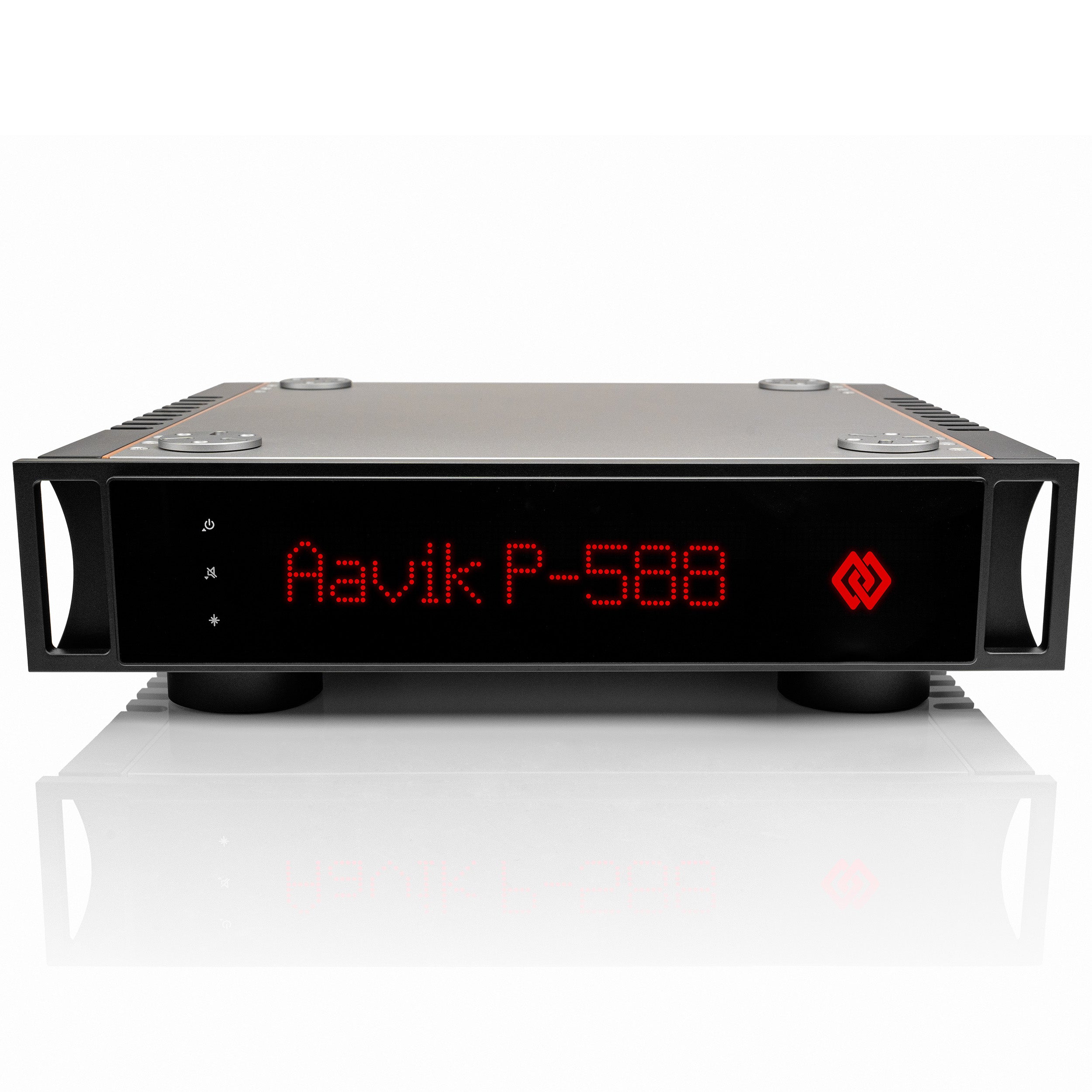
Here, the integrated amplifier is technically split into two units. The preamplifier gathers the signals from the sources and at the same time functions as the control center; this is where settings are adjusted and the volume is controlled, etc. This is also where all your sources are connected, such as a CD player, network player, turntable, TV, and similar devices.
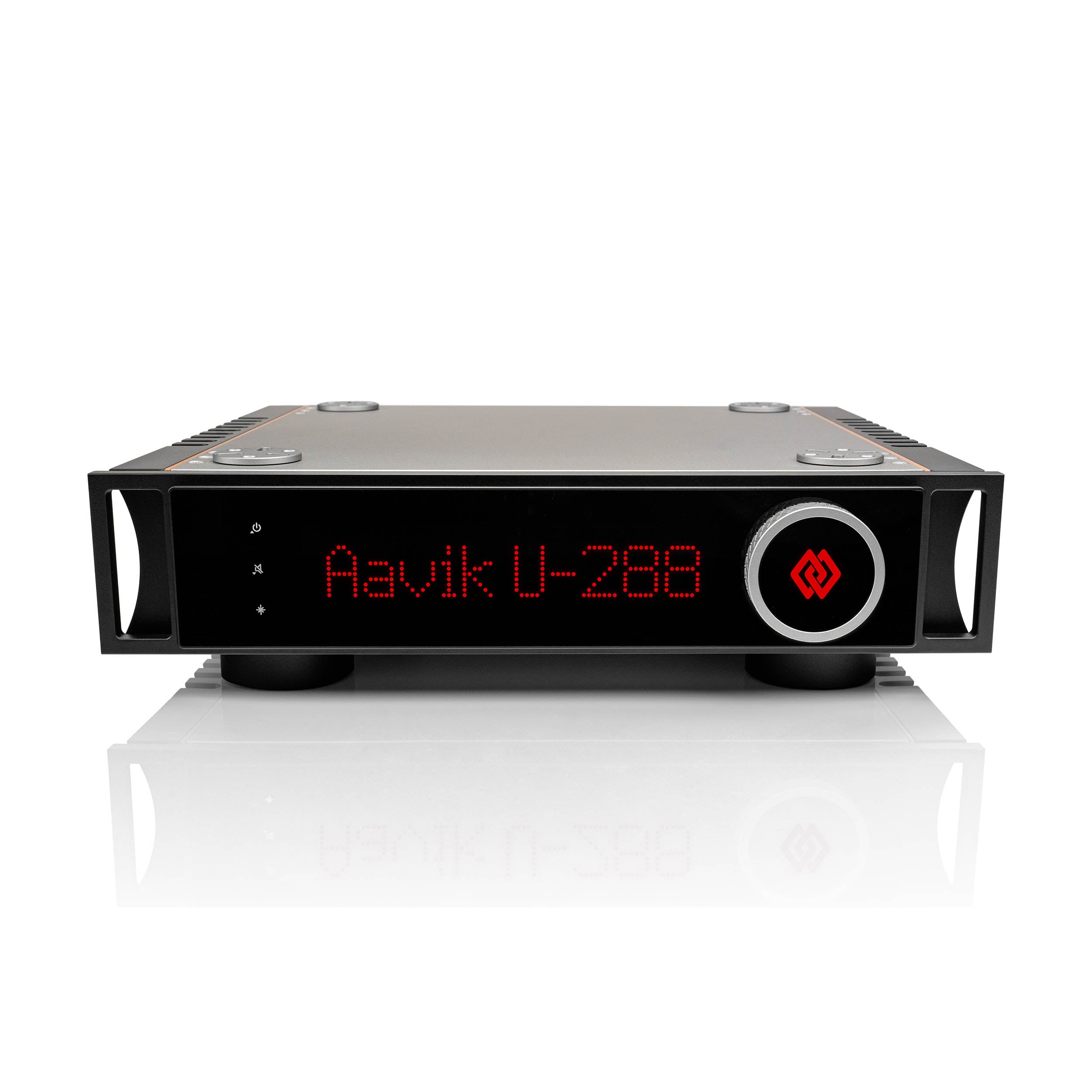
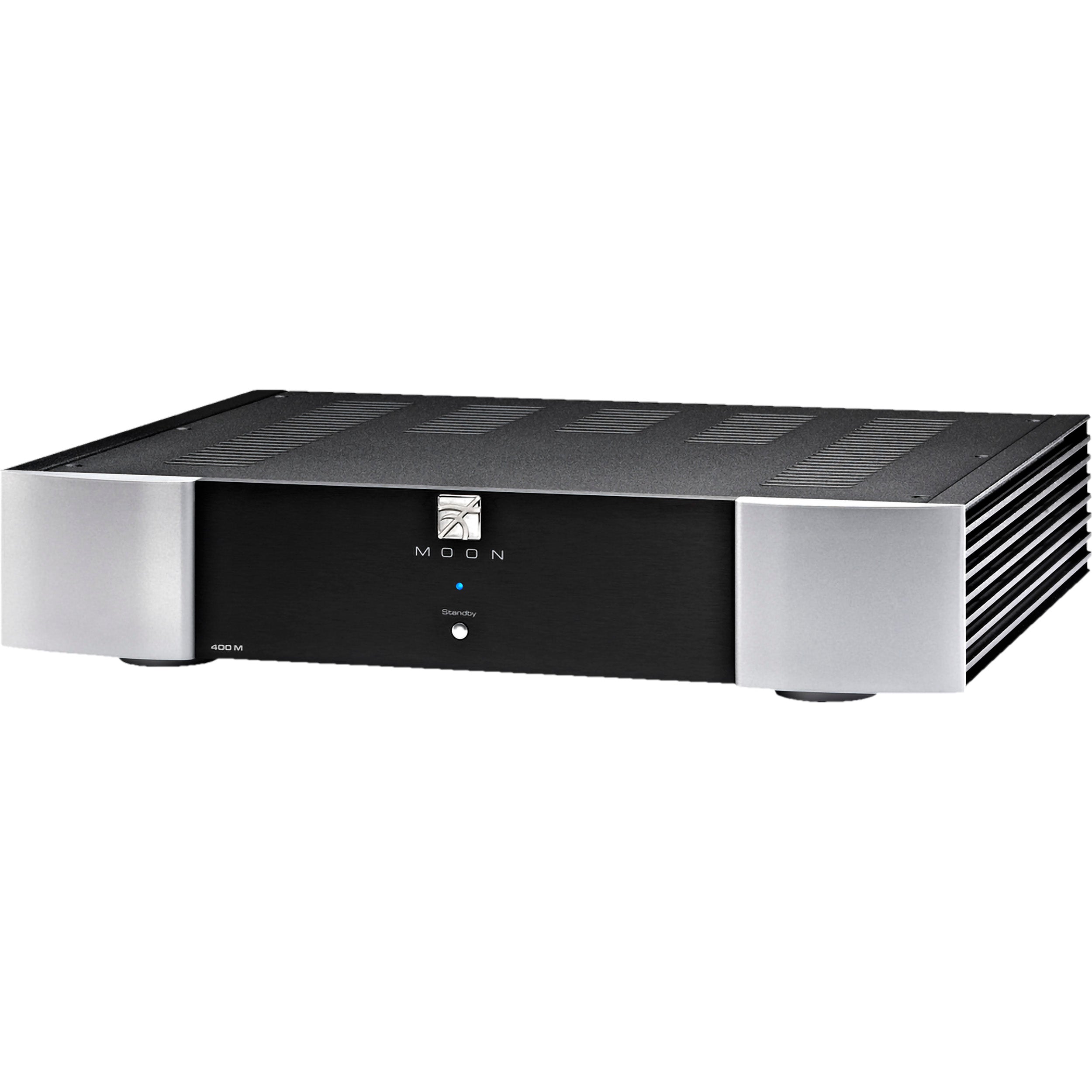
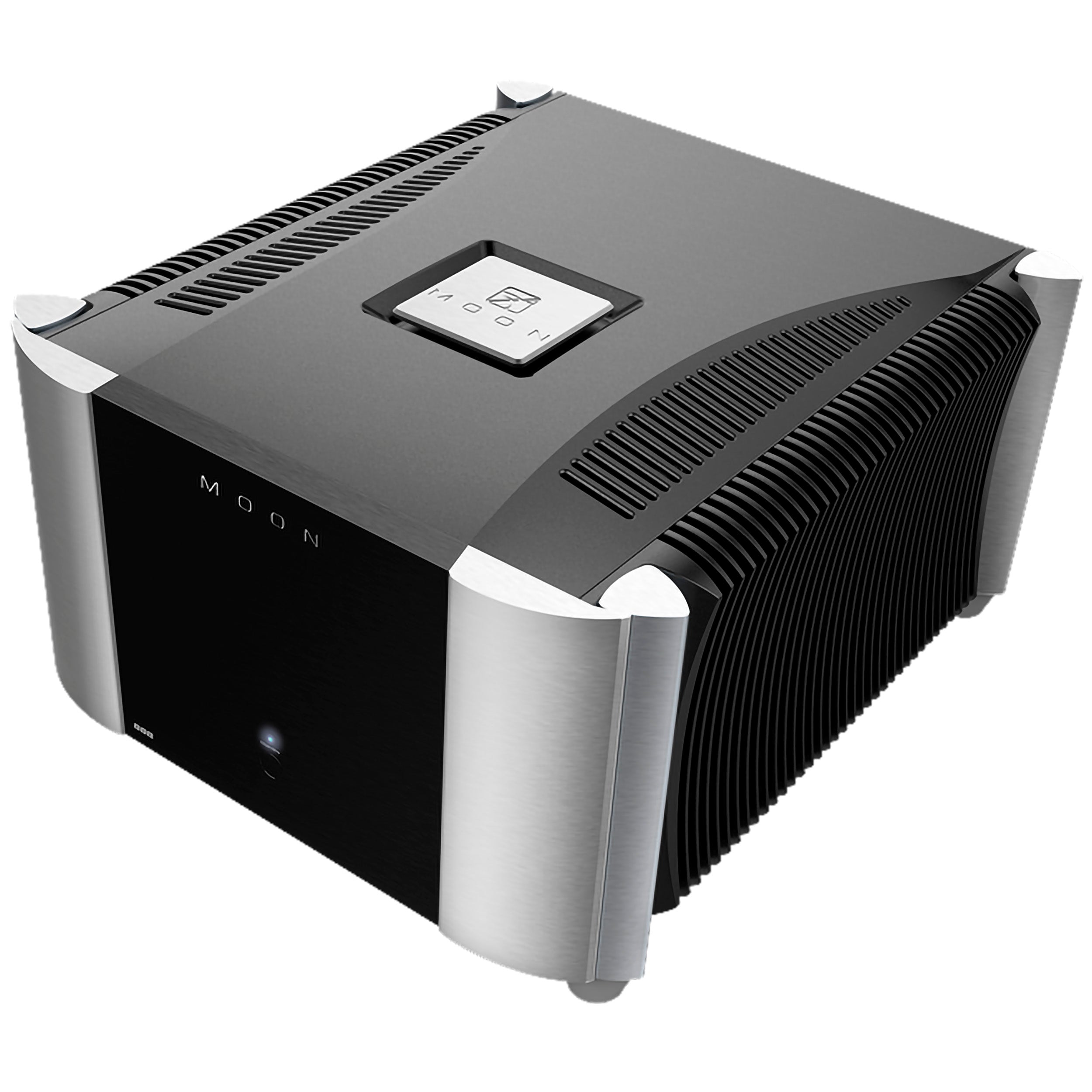
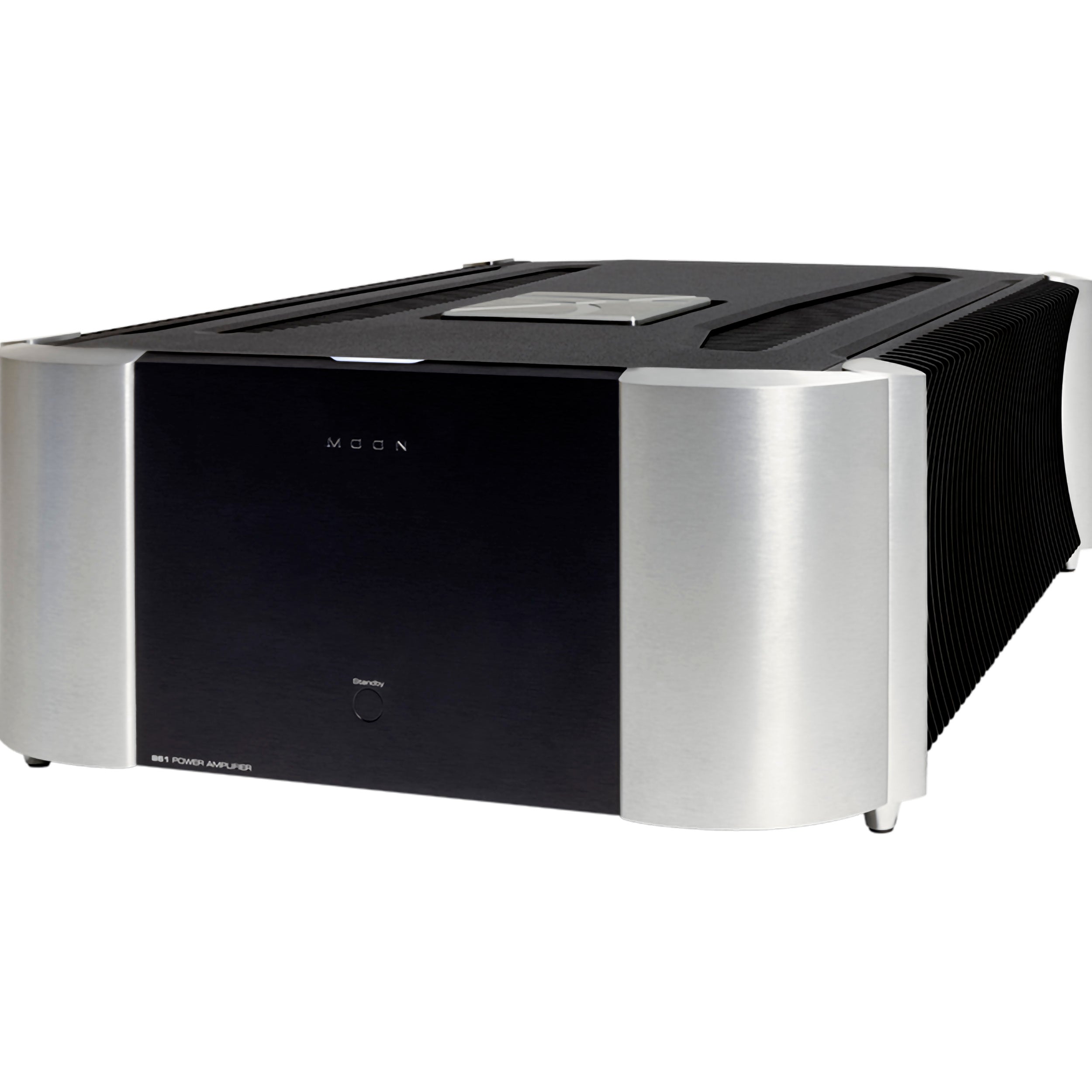
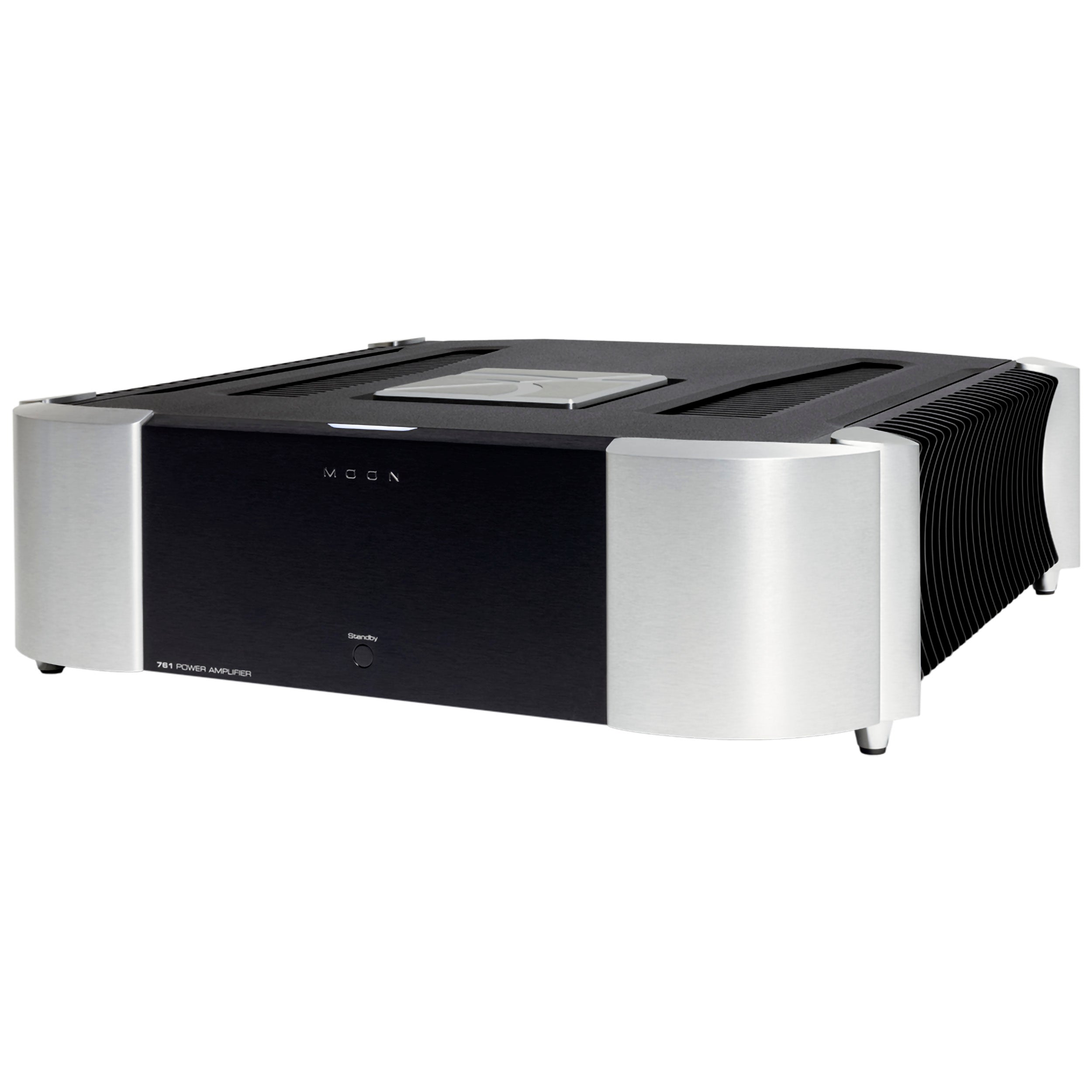
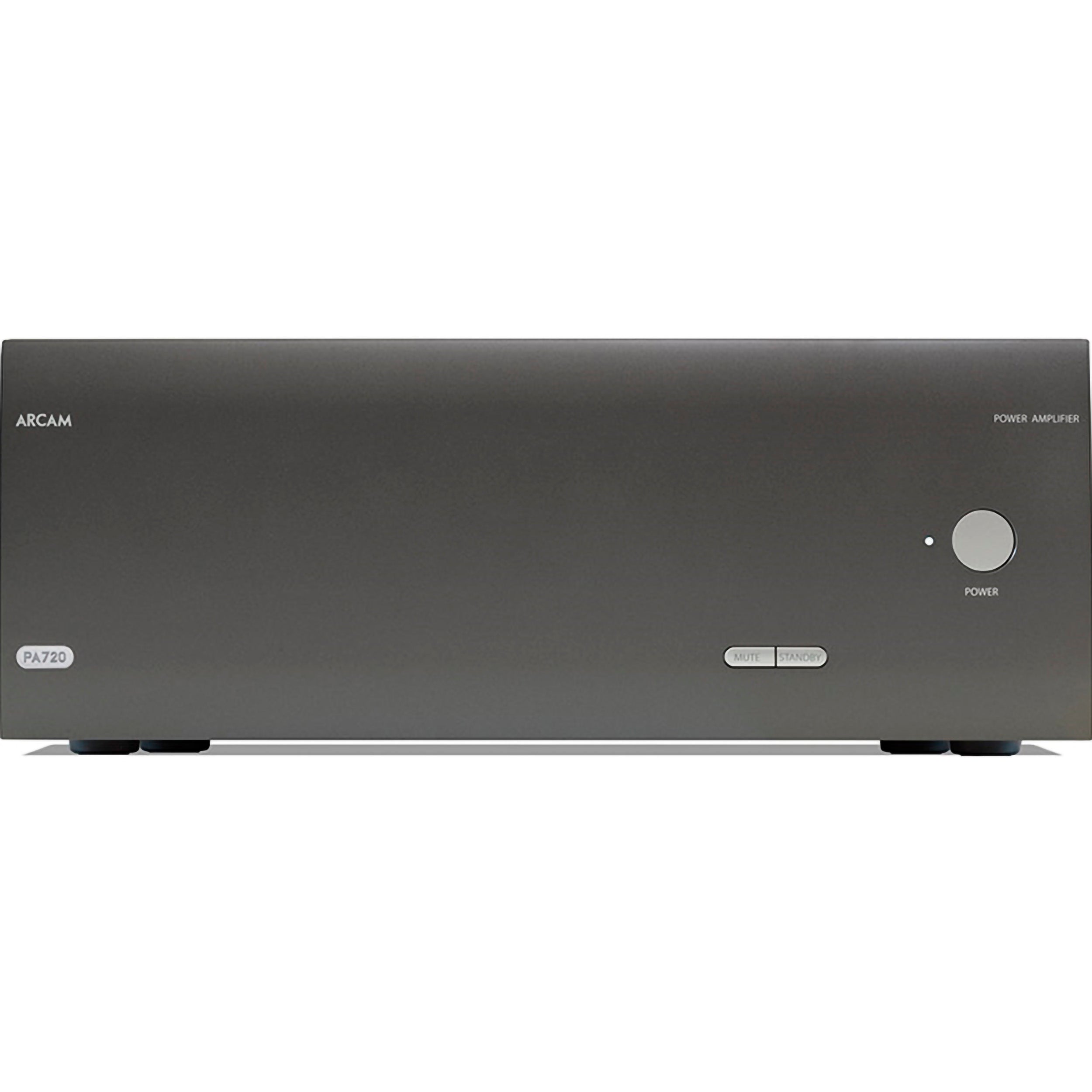
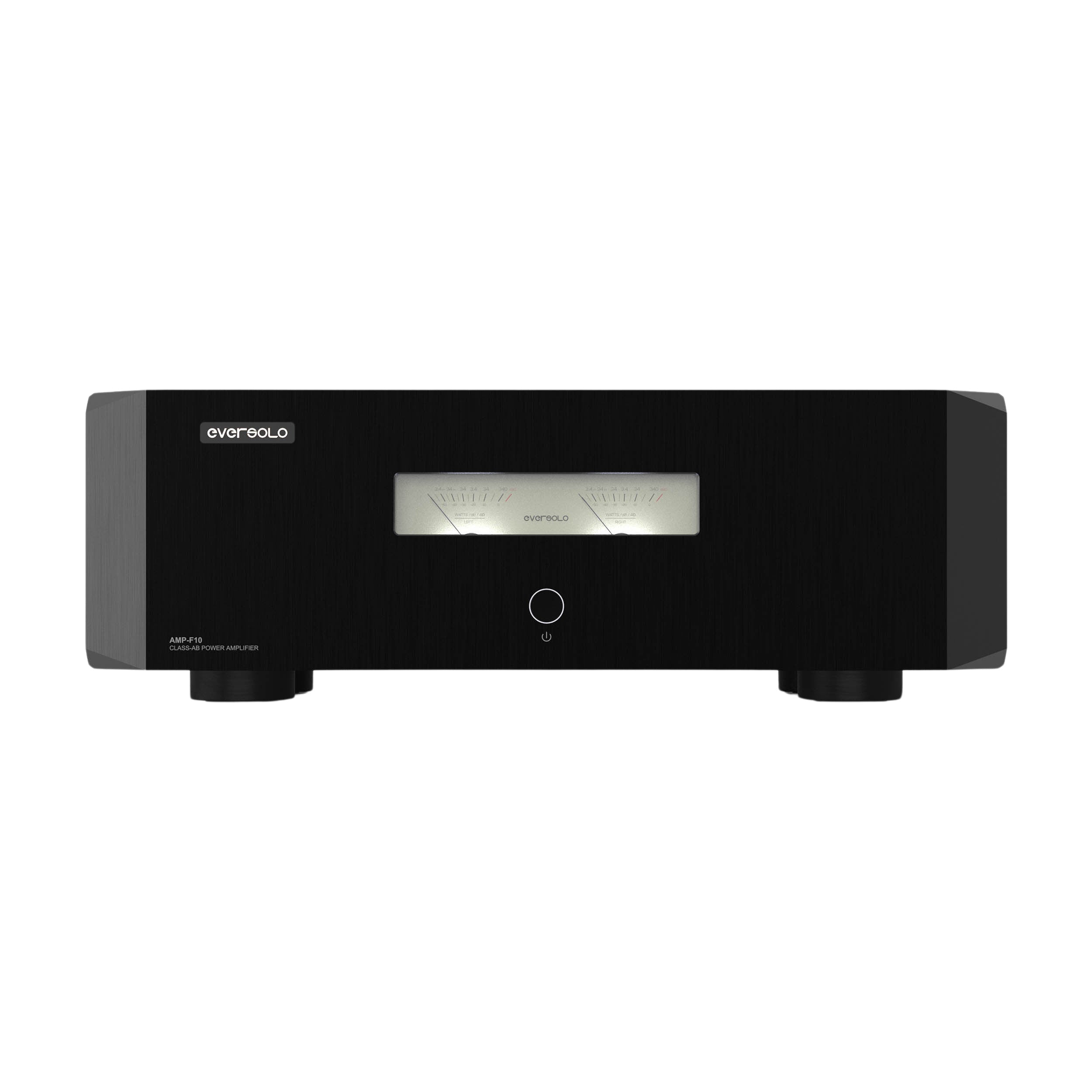
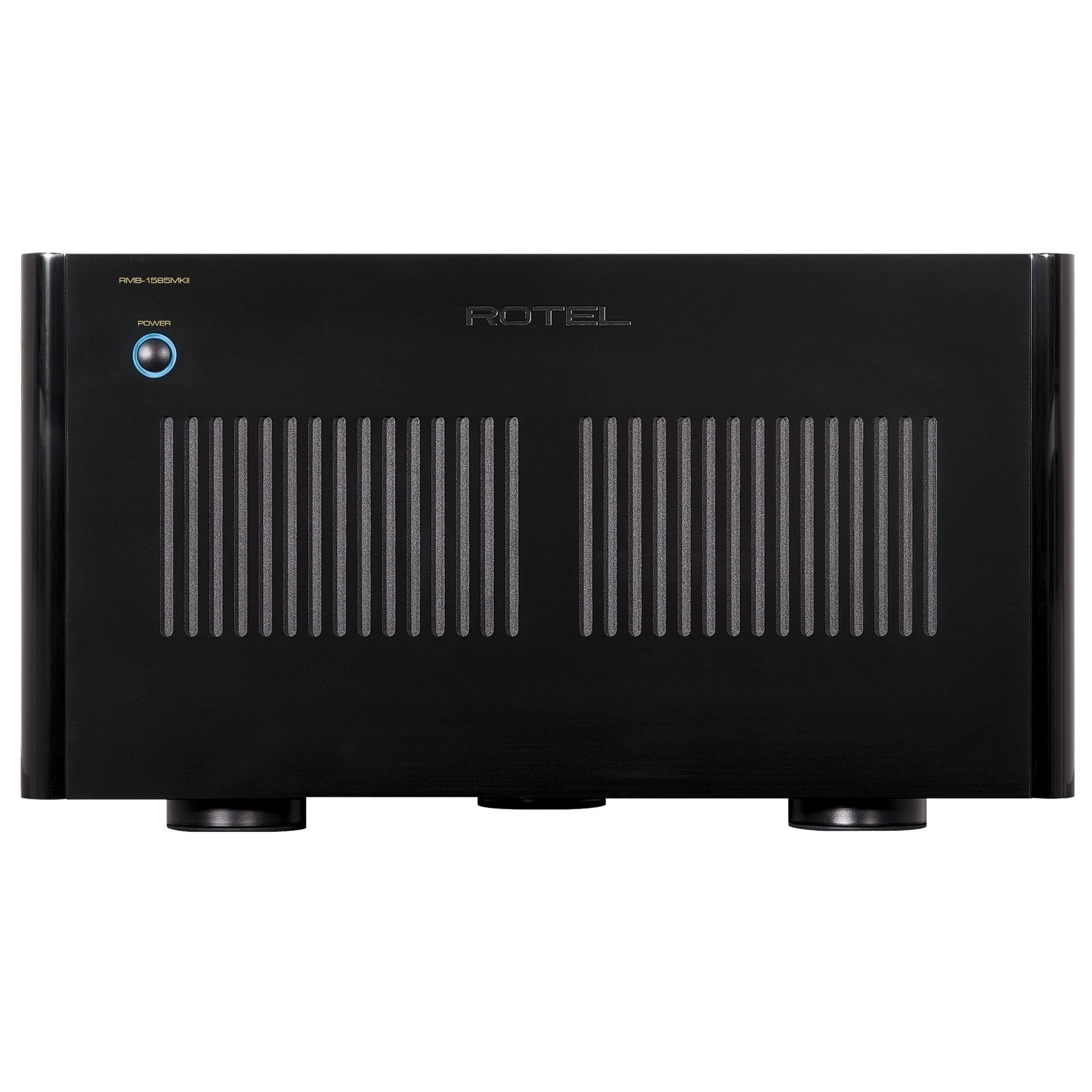
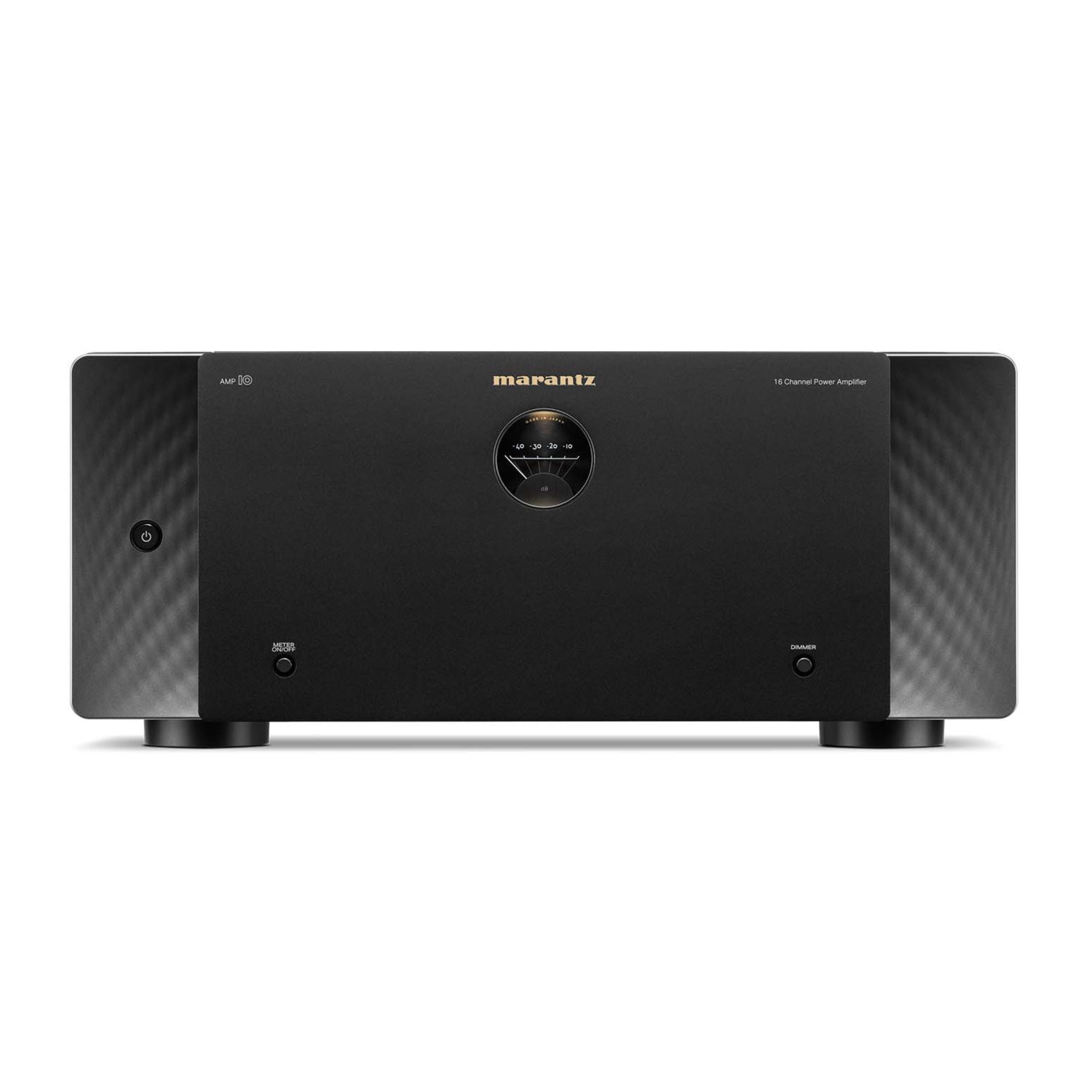
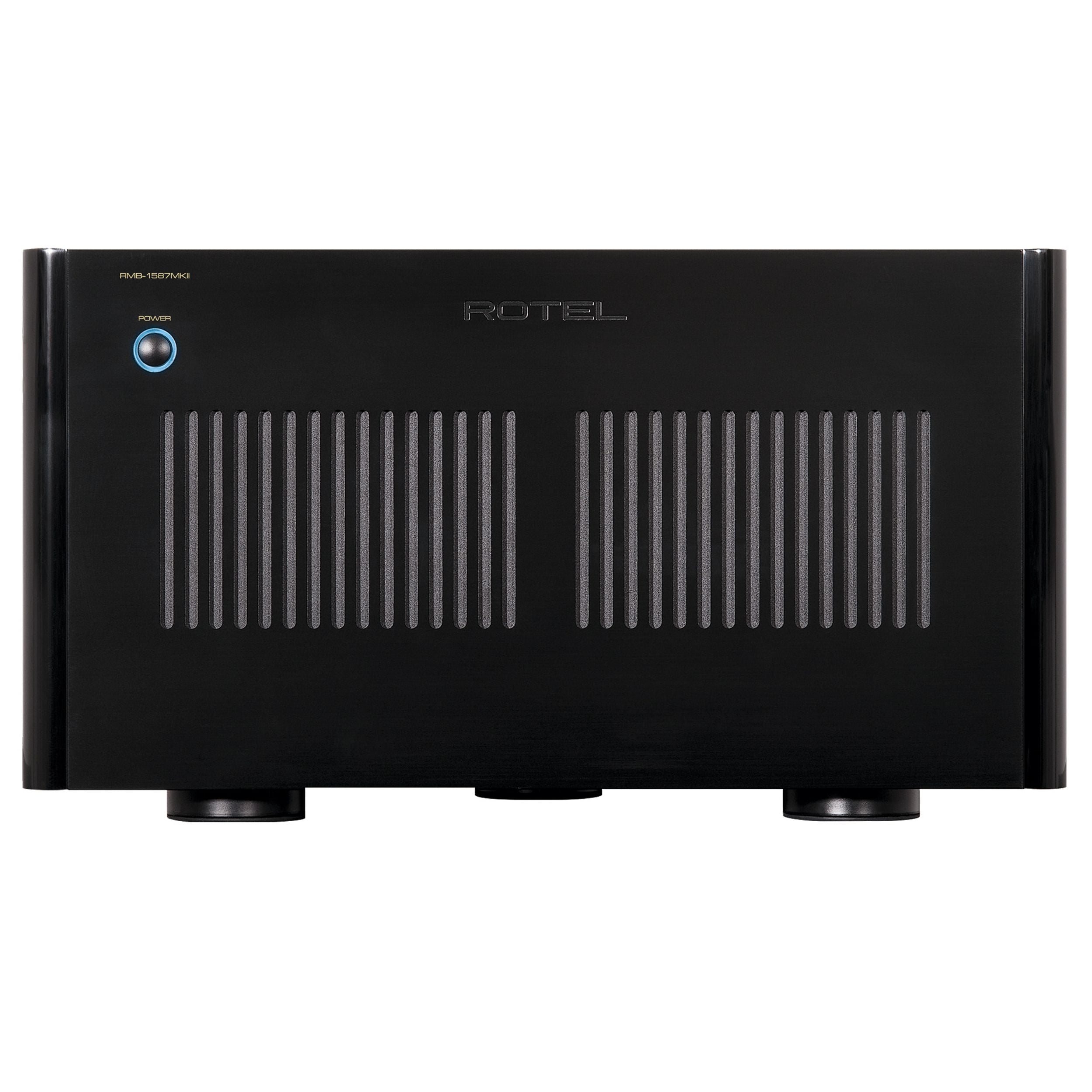
The job of the power amplifier is to provide the power required to convert the preamplifier’s signal from the sources into the audible sound that ends up in the speakers. A power amplifier’s output is measured in watts. Put a little more simply, this is an expression of how loudly and powerfully you can play. The more watts, the louder the sound. As mentioned, this is a somewhat simplified explanation, since the amount of current behind the stated watts also determines the power amplifier’s capabilities.
Here, it is more about choosing exactly the right amplifier to work together with the right speakers. It is your speakers that determine how powerful a power amplifier you need. Some speakers require more current/power than others, so it is important here to take a closer look at the speakers’ specifications before choosing your power amplifier.
When should you choose a separate preamplifier and power amplifier?
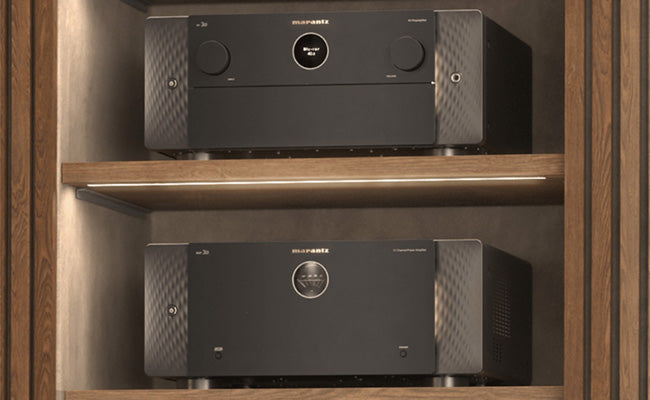
Technically and sonically, there can be several advantages to splitting the integrated amplifier into two units. This gives you two separate power supplies, which often provide better sound because the sensitive components in the preamplifier are not disturbed to the same extent by the often noisy power supply from the power section. In addition, there can be a sonic advantage in having a few other sensitive components in the preamplifier separated from the power section. A separate amplifier setup also offers greater flexibility, since it is possible here to replace either the preamplifier or the power amplifier separately with a different type or brand.
Although a separate pre/power amplifier setup is often described as more ambitious and better sounding than an integrated amplifier, this is not always the case. Of course, this is also a question of the manufacturer’s expertise and, naturally, the quality of the amplifiers. In general, however, a separate amplifier setup does have technical advantages that, if done correctly, provide better sound than the integrated solution.
5 tips before choosing an amplifier
1). What are your needs for music reproduction? Do you often listen to music and place great value on top-quality sound, and do you also want and have the opportunity to listen to your music at realistic sound pressure levels, or do you simply need background music or to listen to the radio in everyday life?
2). How do you want to listen to your music? Do you only want to play your CD collection once in a while, or are you into vinyl records? Are you interested in playing your music through various streaming services and therefore want a compact solution for this?
3). Which speakers do you want to use, and what quality are they? Should they be small compact speakers or larger floorstanding speakers? This is a very important factor when choosing a suitable amplifier.
4). What kind of sound do you want? Are you into big, realistic top-class rock-concert sound where serious power is required, or are you more into classical or acoustic music?
5). Choose an amplifier whose price is justified in relation to the rest of your system.
Feel free to listen to the amplifier together with the selected speakers before making your decision, and make use of professionals if you are in doubt. After all, you cannot read your way to how a given amplifier works together with the chosen speakers.
The different amplifier types
There are many different types of amplifiers that use different technologies in order to achieve a particular sound signature.
Class A and A/B amplifiers
The traditional class A/B amplifier, or class A amplifier as we typically know it, using the familiar transformer and large reservoir capacitance, is still the most widespread technology. This type of amplifier has been tested and refined over decades, and many enthusiasts still swear by this solution. However, these types often run hot and therefore suffer a certain power loss compared with a class D variant. Of course, they are designed for this. These types are typically a little warmer in their presentation than class D amplifiers.
Class D amplifier
The newer class D technology, which is built without the familiar transformer, has gradually gained greater and greater recognition and is now advancing rapidly around the world. These have certain technical advantages compared with the typical class A/B amplifier. In short, there are fewer components in the amplifier, which does not use a transformer but instead calculates for itself when it needs power. This generally results in less noise and less power loss. A class D amplifier is often characterized by being fast, as well as detailed and neutral in its reproduction, while at the same time a class D amplifier gives off virtually no heat.
Tube amplifiers
Tube amplifiers are a less widespread type of amplifier that uses tubes to create power and at the same time a characteristically warm and fluid sound signature. This type of amplifier is often used by audiophiles who want precisely this warm and fluid sound.
A tube amplifier is often used together with a set of easy-to-drive speakers. With this type of amplifier, it is possible to change the sound as needed by replacing the various tubes in the design, but this generally requires both knowledge and experience, and things like bias adjustment and tube replacement are not a task for the average person.
In addition to the types mentioned here, there are also so-called hybrid amplifiers, which typically use a mix of the above-mentioned technologies to achieve a particular sound signature. Which amplifier you need should become clear by reading the above and, of course, with advice and guidance from our knowledgeable specialists at Lydspecialisten.
We are always ready to help you find the right amplifier for you and your needs.