











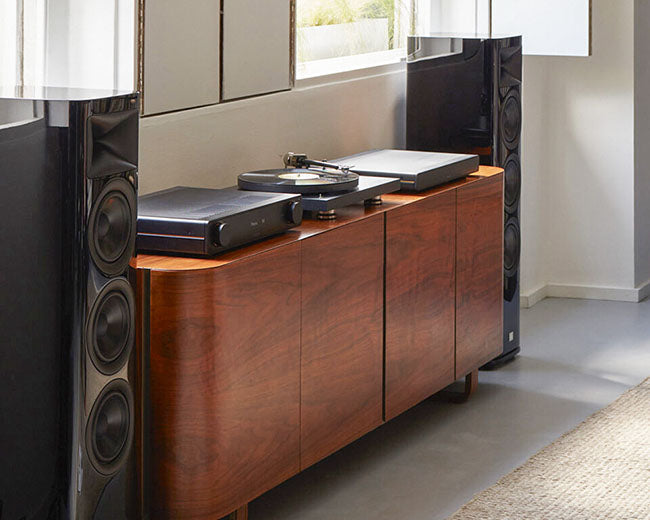

a podcast about vinyl & hi-fi in collaboration with lakridspizza

The podcast Lakridspizza with advice on vinyl and hi-fi
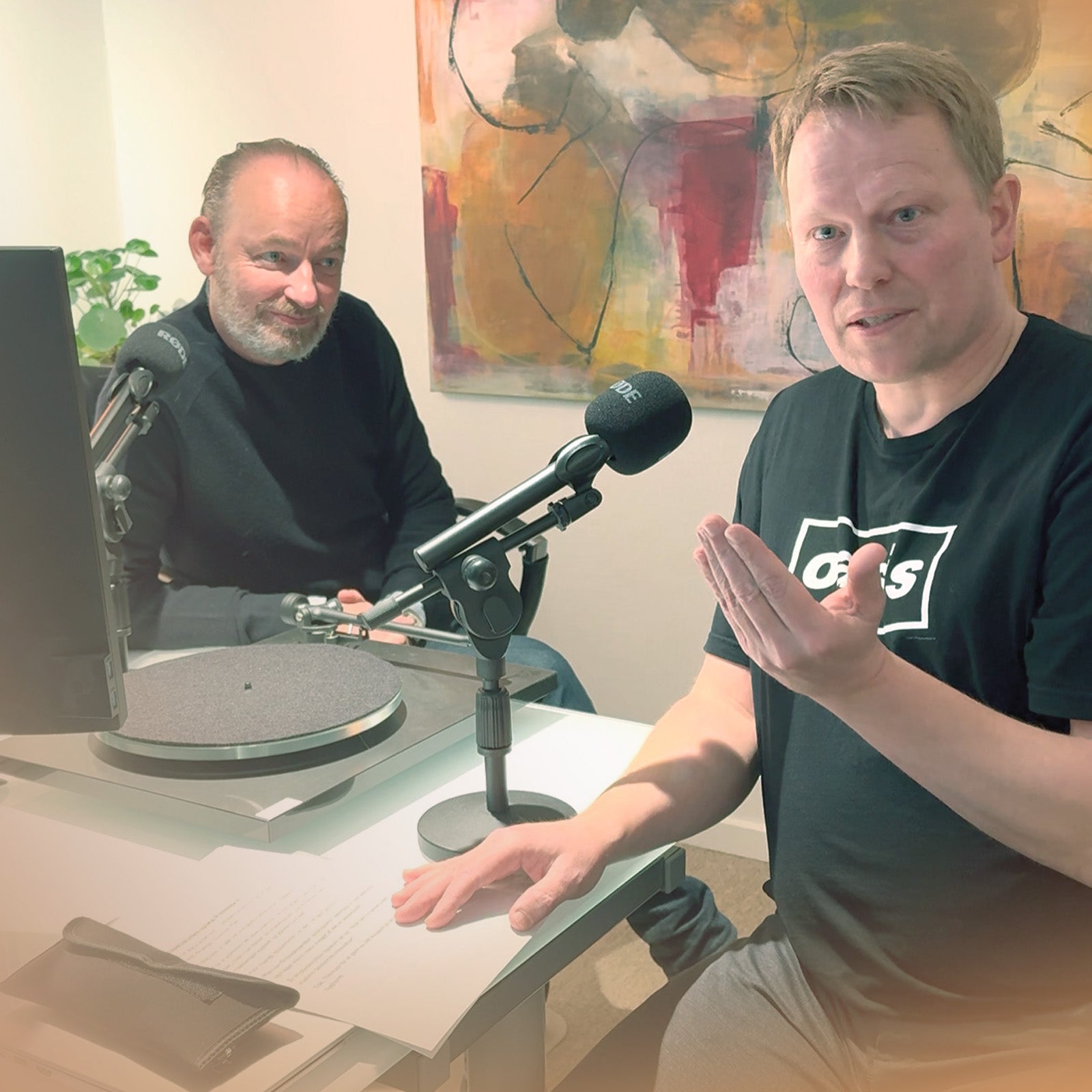
Are you curious about how to get more out of your vinyl records and choose the right turntable? In Lakridspizza’s new podcast about vinyl and hi-fi, Jan Jensen from Lakridspizza, host Claus Jensen, and I, Thomas Mørk from Lydspecialisten, dive into everything about vinyl, new and forgotten releases, choosing and setting up a turntable, cartridge, RIAA amplifier, cleaning, speakers, acoustics, and much more.
Here you can listen to the entire podcast series and learn more about both the technology and the music. You’ll get practical advice for your vinyl setup and inspiration for how the different parts of your hi-fi system work together.
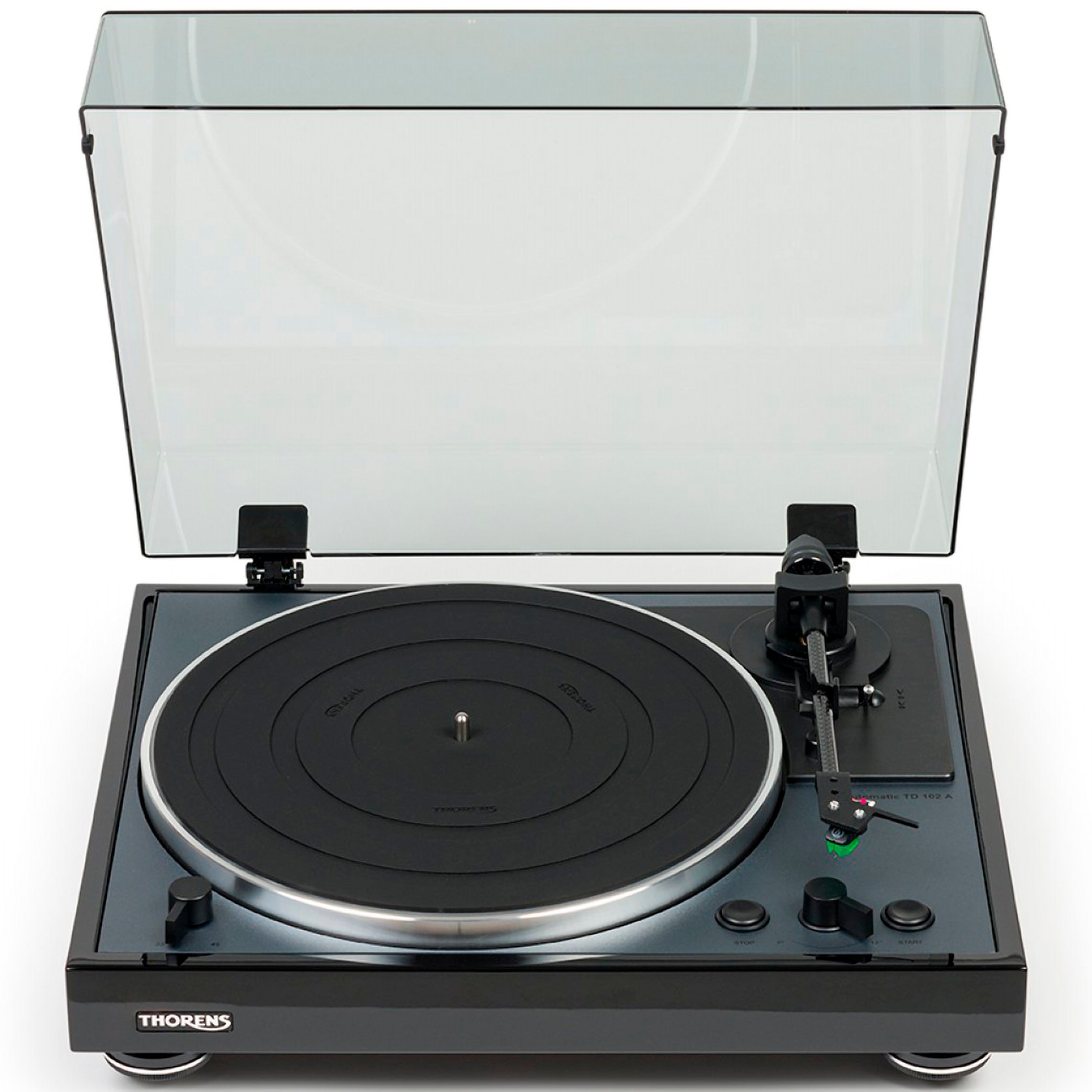
If you’re looking for new equipment, you can also view our selection of turntables.
The podcast series was made in collaboration with Aalborg’s record store Lakridspizza.
Host: Claus Jensen
Guests: Jan Jensen, Lakridspizza, and Thomas Mørk, the Sound Specialist
Use this text to share information about your brand with your customers. Describe a product, share announcements, or welcome customers to your store.
1. Vinyl front
How does the fascination with vinyl begin—and what makes someone start a record collection over again?
In the first episode, I talk about my own collection, which I got rid of in favor of the CD — only to return to vinyl again later. At the same time, Jan tells the story of his record store.
2. Understand your turntable and RIAA amplifier
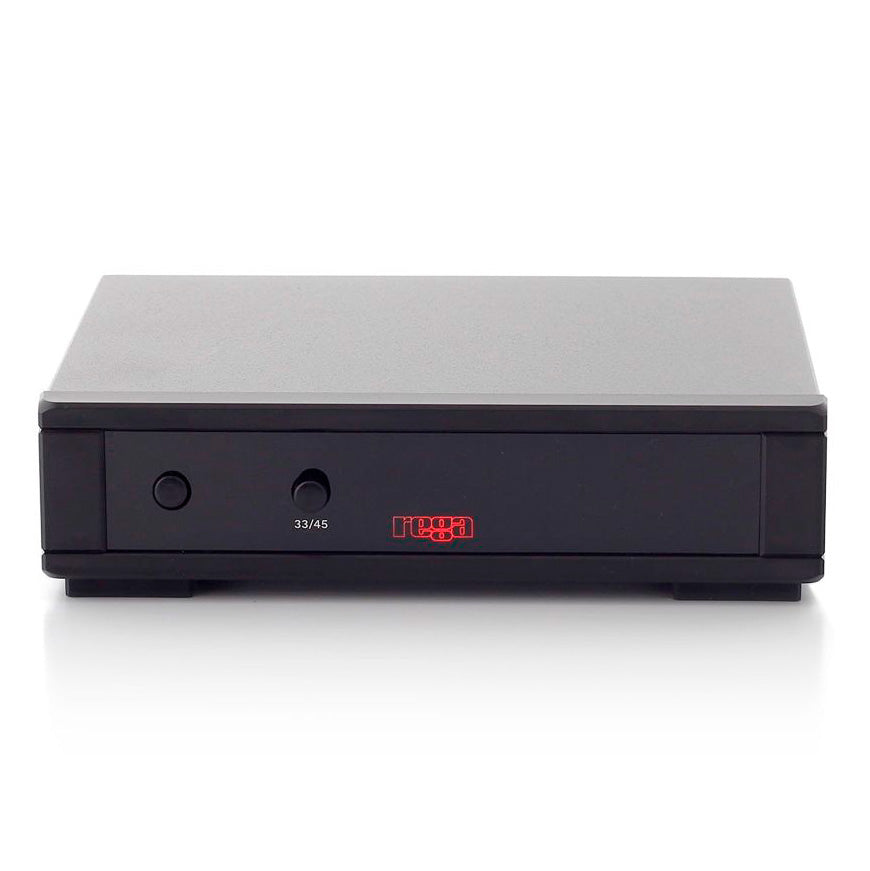
The RIAA amplifier is a central part of many vinyl systems. It amplifies the weak signal from the cartridge and corrects the frequency curve so the signal can be reproduced correctly.
The choice depends, among other things, on your cartridge and the rest of your system.
If you want to go more in depth, you can view RIAA amplifiers for turntables.
3. Cleaning the turntable, cartridge, and vinyl
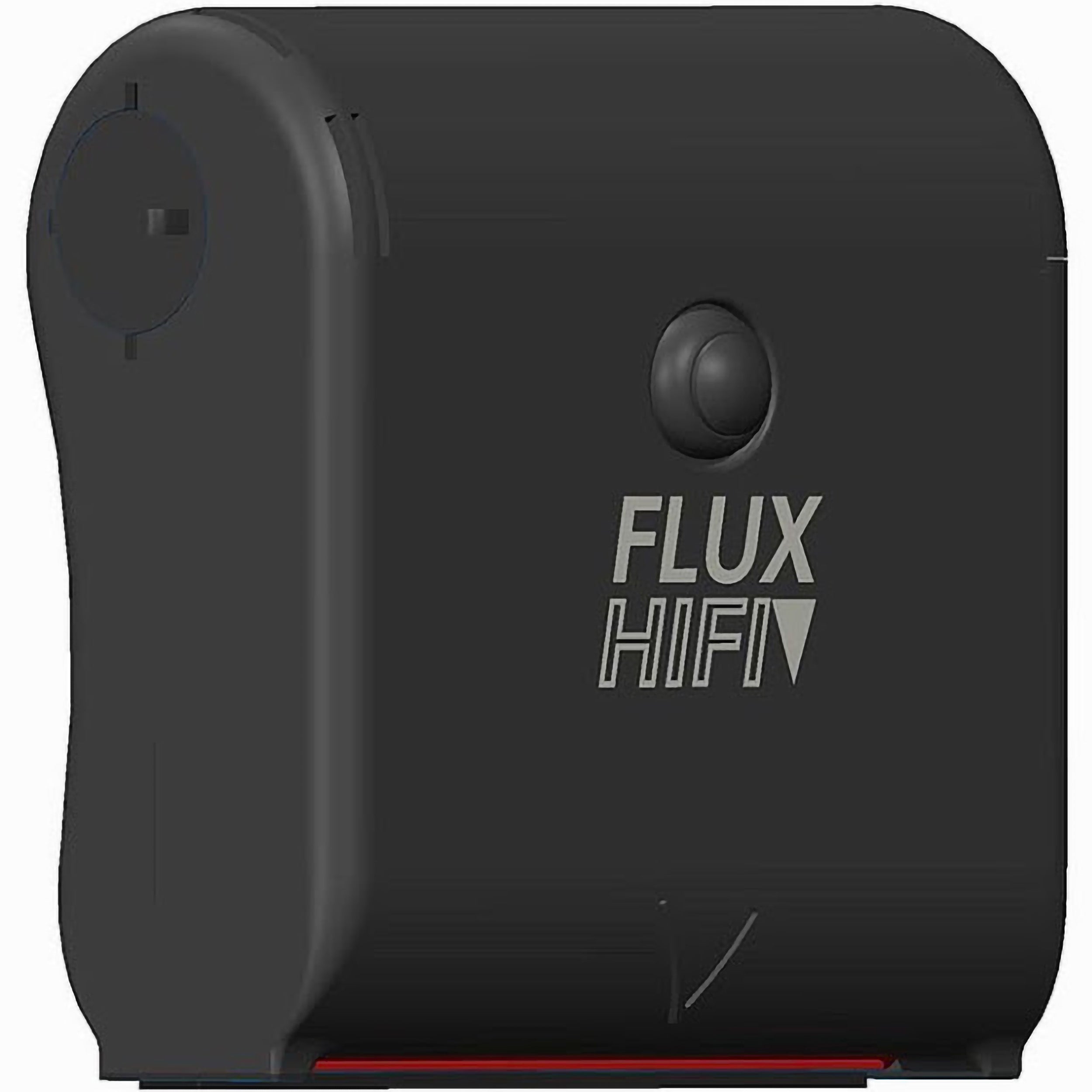
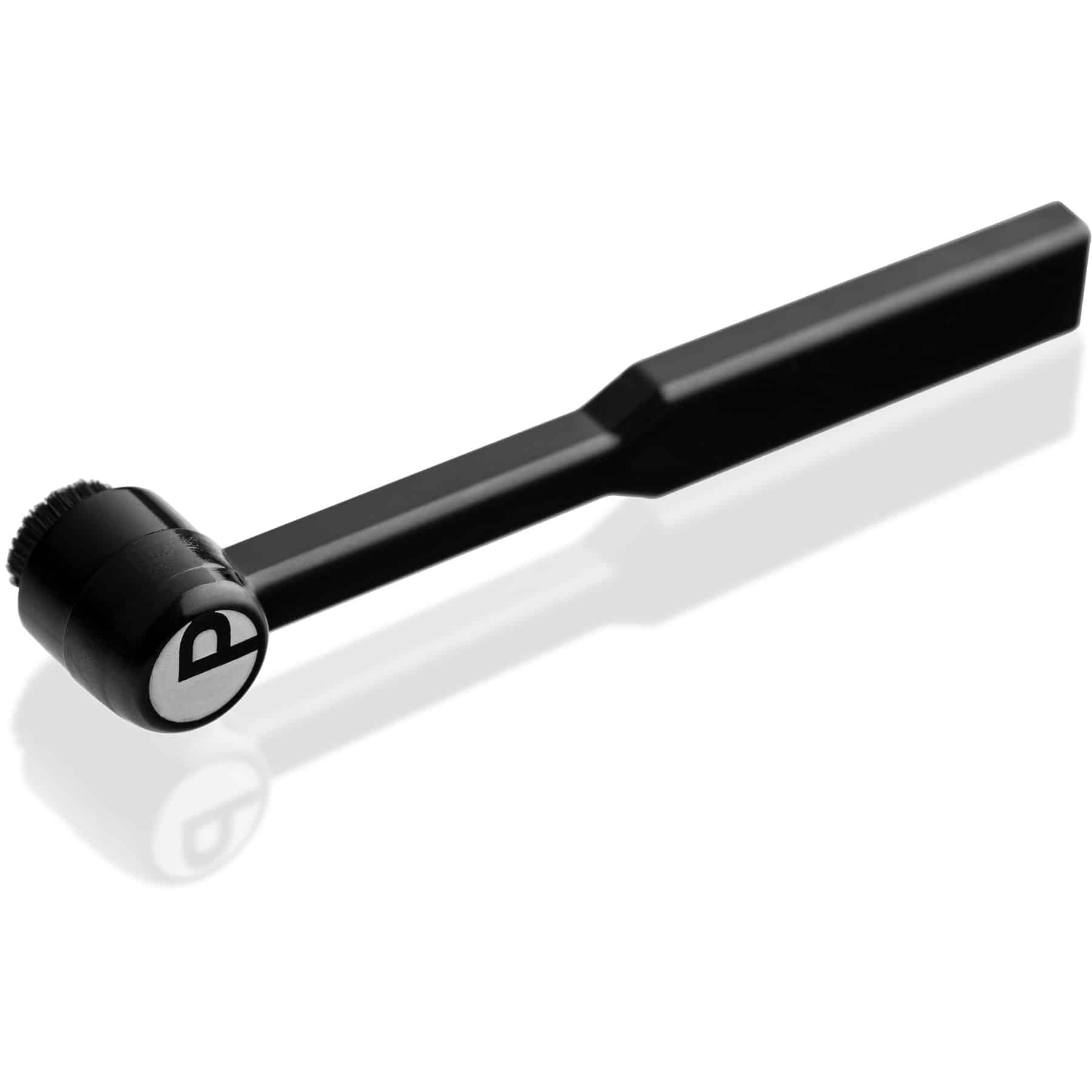
Dust and dirt do not belong between the stylus and the record groove. The third episode therefore focuses on cleaning and maintenance of the cartridge, vinyl records, and equipment.
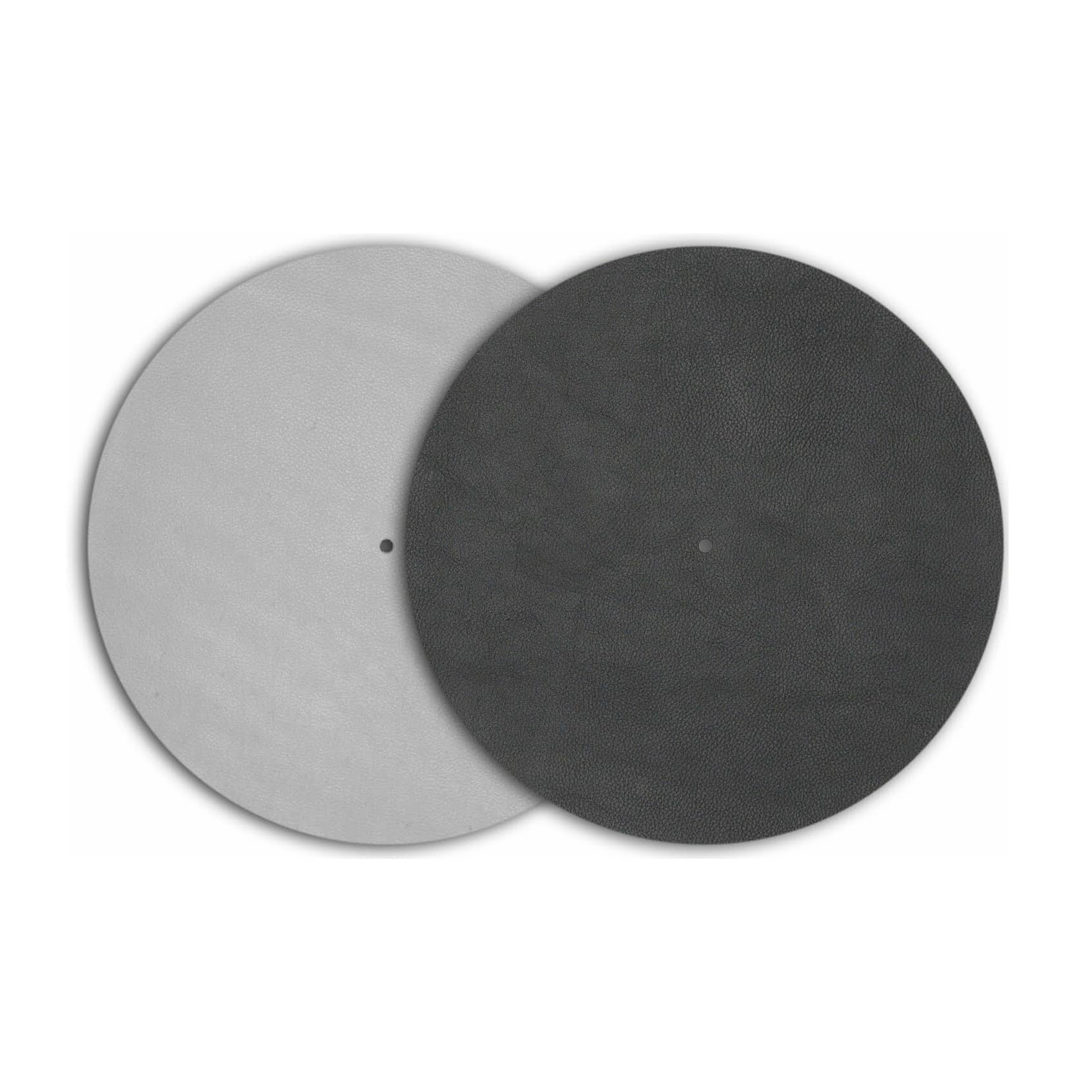
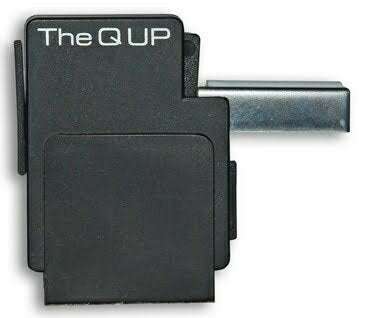
Regular care helps keep both records and equipment in good condition. Also see our turntable accessories.
4. The amplifier in your vinyl setup
How does the amplifier work together with the rest of an analog hi-fi system? In this episode, I talk about tube amplifiers, power amplifiers, and different ways to put together a system.
5. Speakers for your turntable
A turntable is only one part of the overall chain. Speakers, amplifier, and the rest of the system also matter for the overall listening experience.
In this episode, the conversation is about choosing speakers and creating a well-balanced system around vinyl.
6. Acoustics and vinyl
The room is part of your hi-fi system. Placement, interior design, and acoustics affect the sound you hear from the speakers.
In the sixth episode, I explain why acoustics are worth considering when you want to get more out of your sound system and your vinyl collection.
7. Can you hear a difference between vinyl pressings?
Two versions of the same album do not necessarily have to sound the same. I talk about the differences between vinyl pressings and about how quality has developed throughout music history.
An episode for you, who are interested not only in the equipment and the music, but also in the records themselves.
8. Bluetooth or vinyl?
What happens when the analog turntable meets modern wireless sound? The episode explores Bluetooth and compares the digital technology with the experience of vinyl.
9. How to choose a cartridge for your turntable
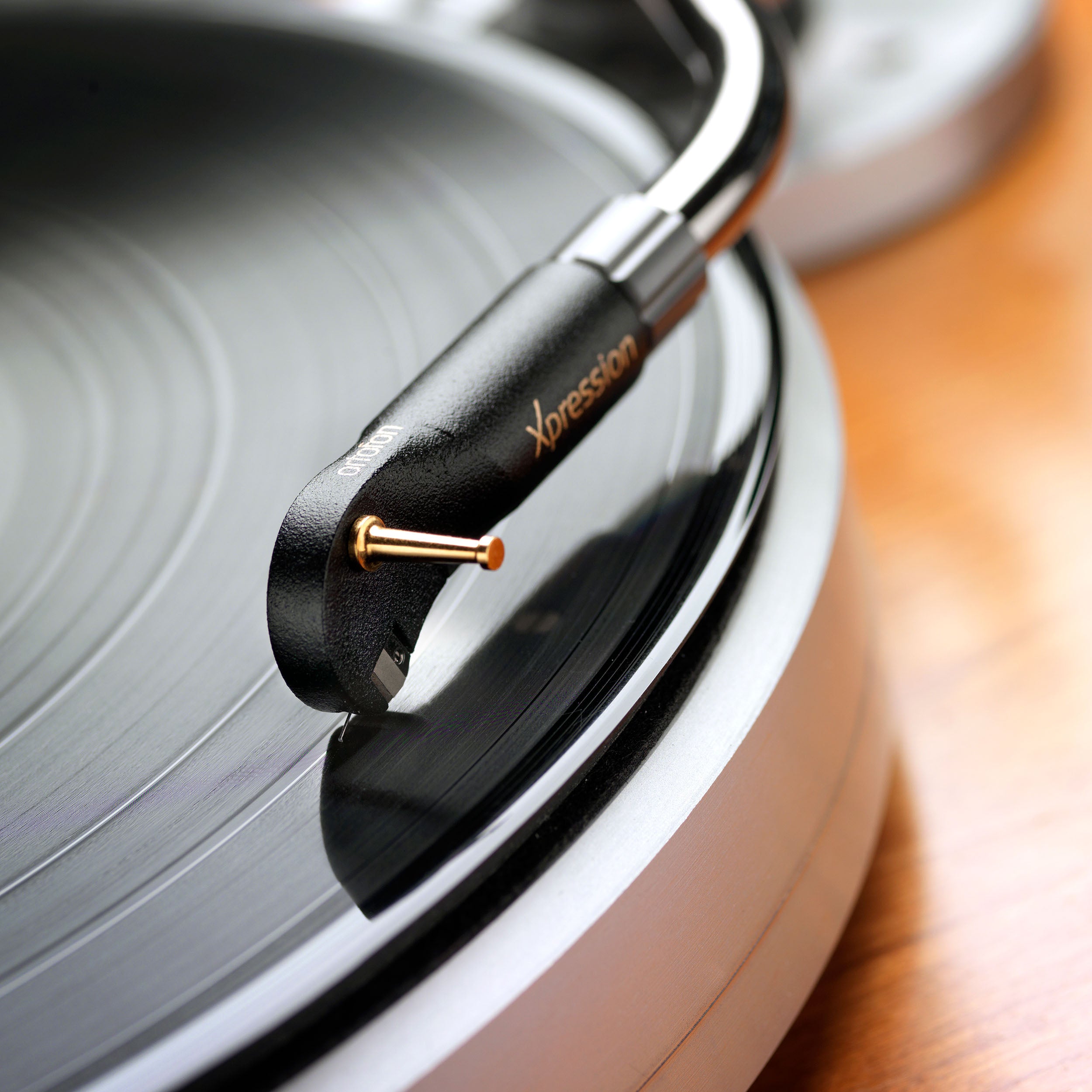
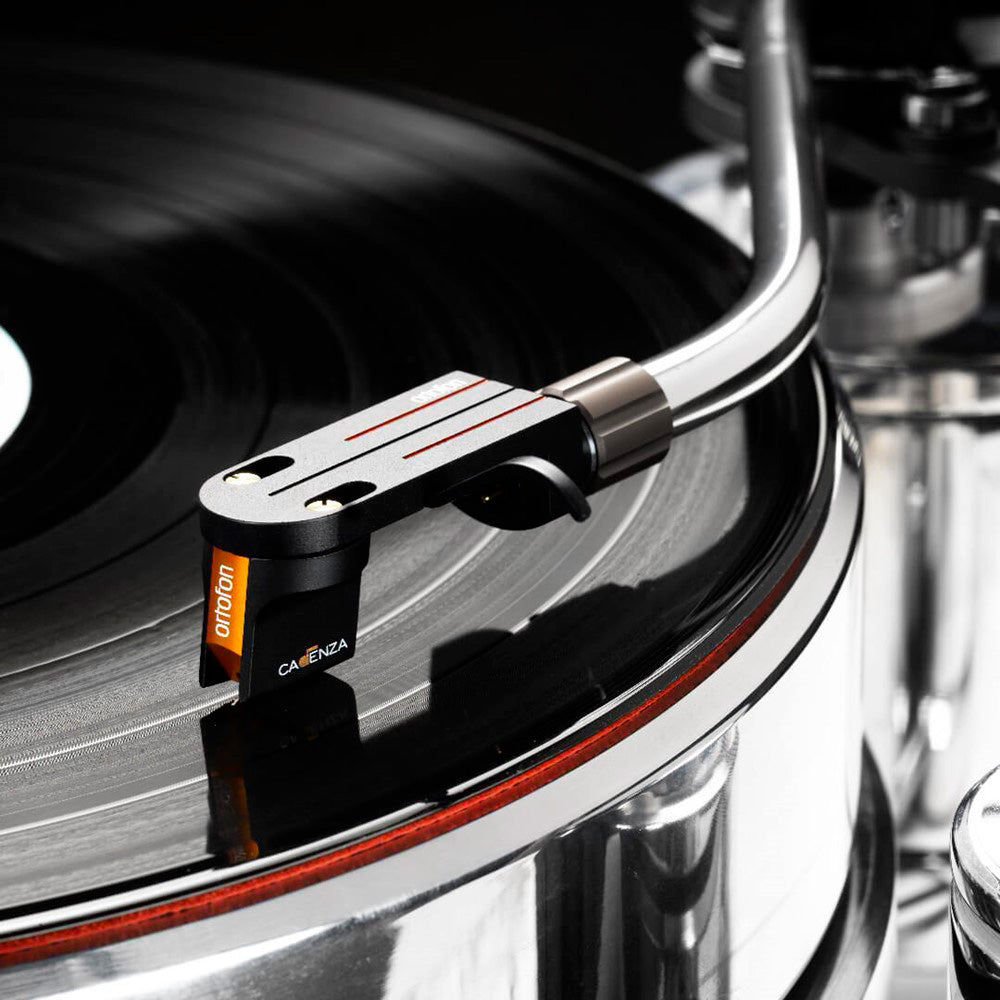
The cartridge reads the information in the record groove and is therefore an important part of the turntable. In this section, I share my recommendations and talk, among other things, about cartridges from Ortofon.
If you are considering an upgrade, you can view our selection of cartridges for turntables.
Listen to episode 9: Record Store Day and cartridge recommendations
10. Which turntable should I choose?
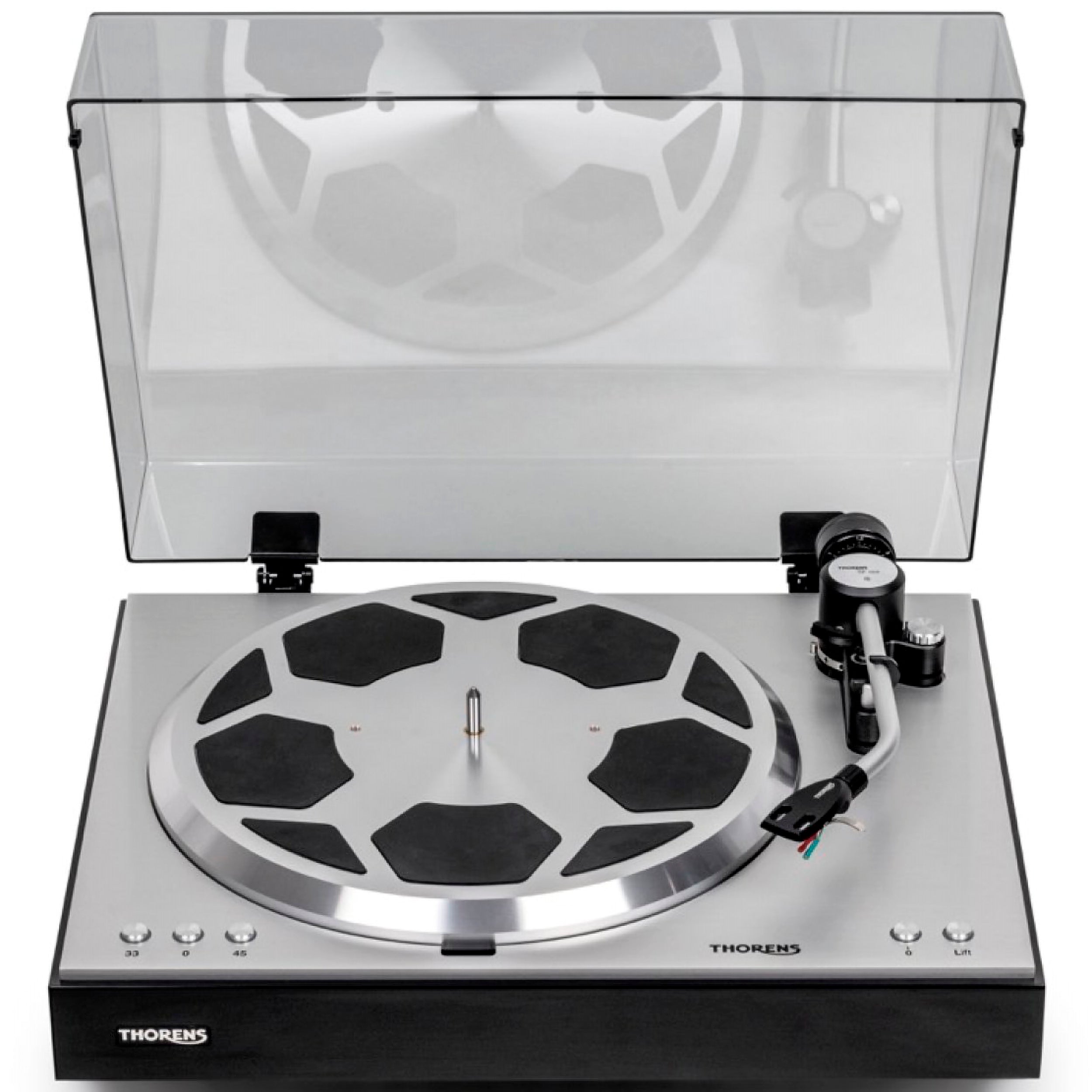
The choice of turntable depends on your audio system and your ambitions. In the episode, Thomas reviews three different solutions and talks about the JBL TT350 Classic, Rega Planar 3 RS, as well as a combination of the Pro-Ject Debut Reference 10 and Primare R15 RIAA.
Listen to episode 10: Meet Jonah Blacksmith and three turntables
11. CD and streaming vs. vinyl
Vinyl is not the only way to listen to music. In this episode, I put some words to the differences between vinyl, CD, and streaming and talk about the technology behind the different formats.
Listen to episode 11: It almost killed vinyl. Now it's back!
12. Danish favorites on vinyl
The season concludes with Danish music on vinyl. Jan and Claus bring out favorites from their own collections, while I open up my private music treasure chest.
Counting Crows Special
In this special edition, Counting Crows frontman Adam Duritz joins Jan on the podcast. The conversation covers, among other things, the band's music, physical music formats, and the vinyl release of This Desert Life.
Learn more about your turntable
A good vinyl experience is about more than just the record itself. The turntable, cartridge, phono preamp, amplifier, speakers, setup, and acoustics all function as parts of the same system.
If you are new to vinyl, it is therefore a good idea to start with the basics: Make sure the turntable is placed securely, that the cartridge and tonearm are correctly adjusted, and that the signal matches the RIAA solution you are using. At the same time, keep both the cartridge and records clean.
When the basic setup is working, you can start looking at upgrades. A different cartridge, a separate phono preamp, or changes in placement and acoustics may be relevant areas to explore further, depending on your existing system.
If you are completely new, you can also use our guide to getting started with your turntable as the next step.
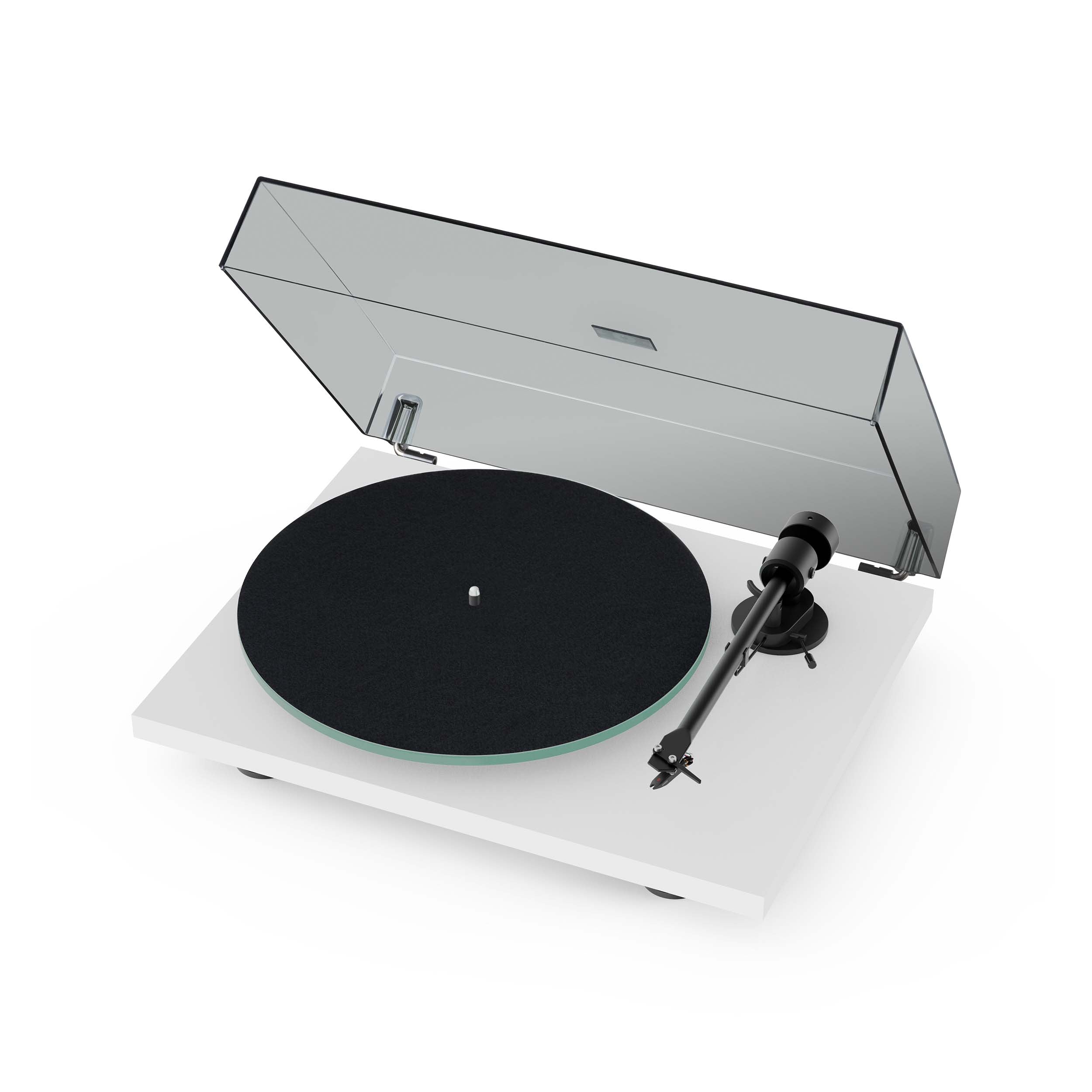
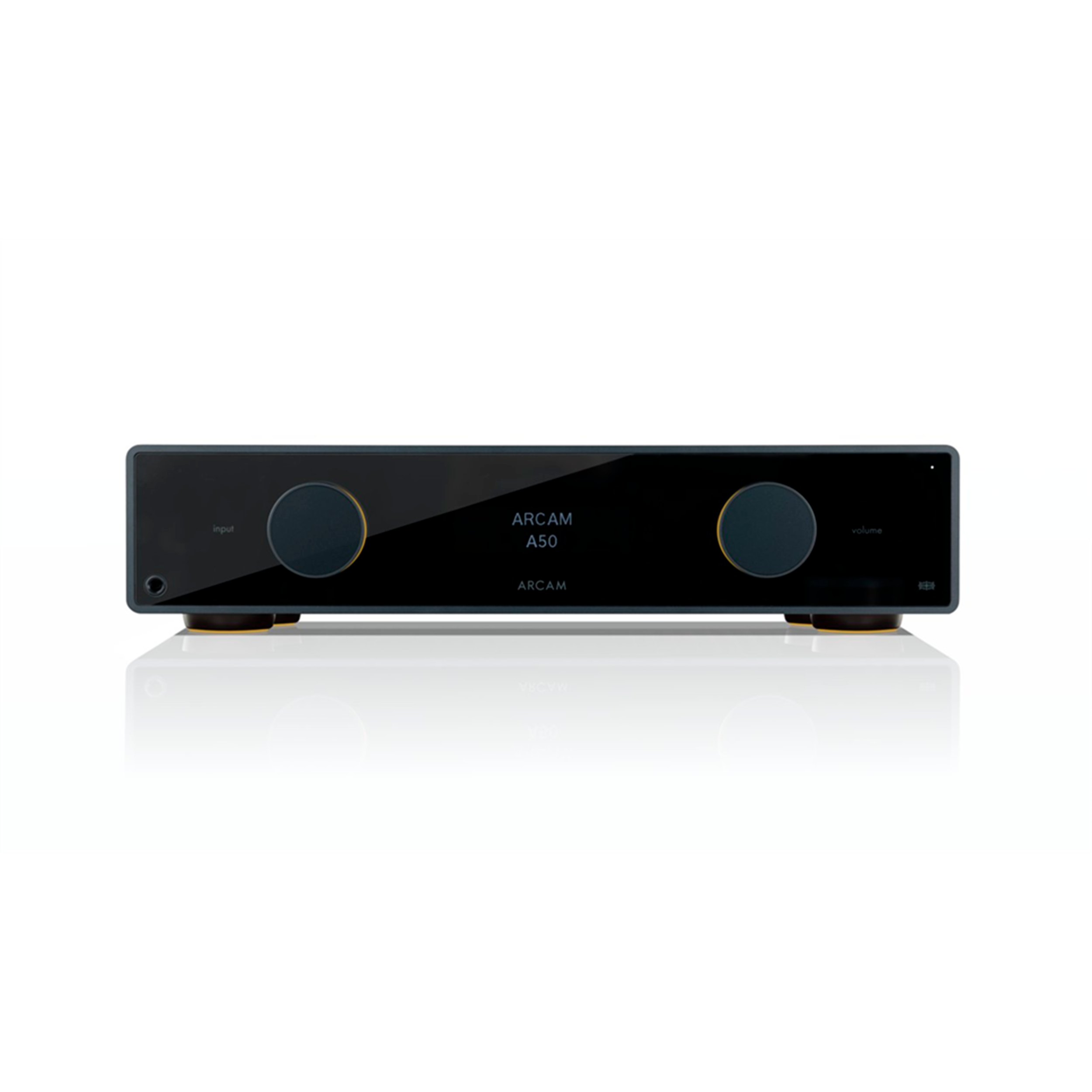
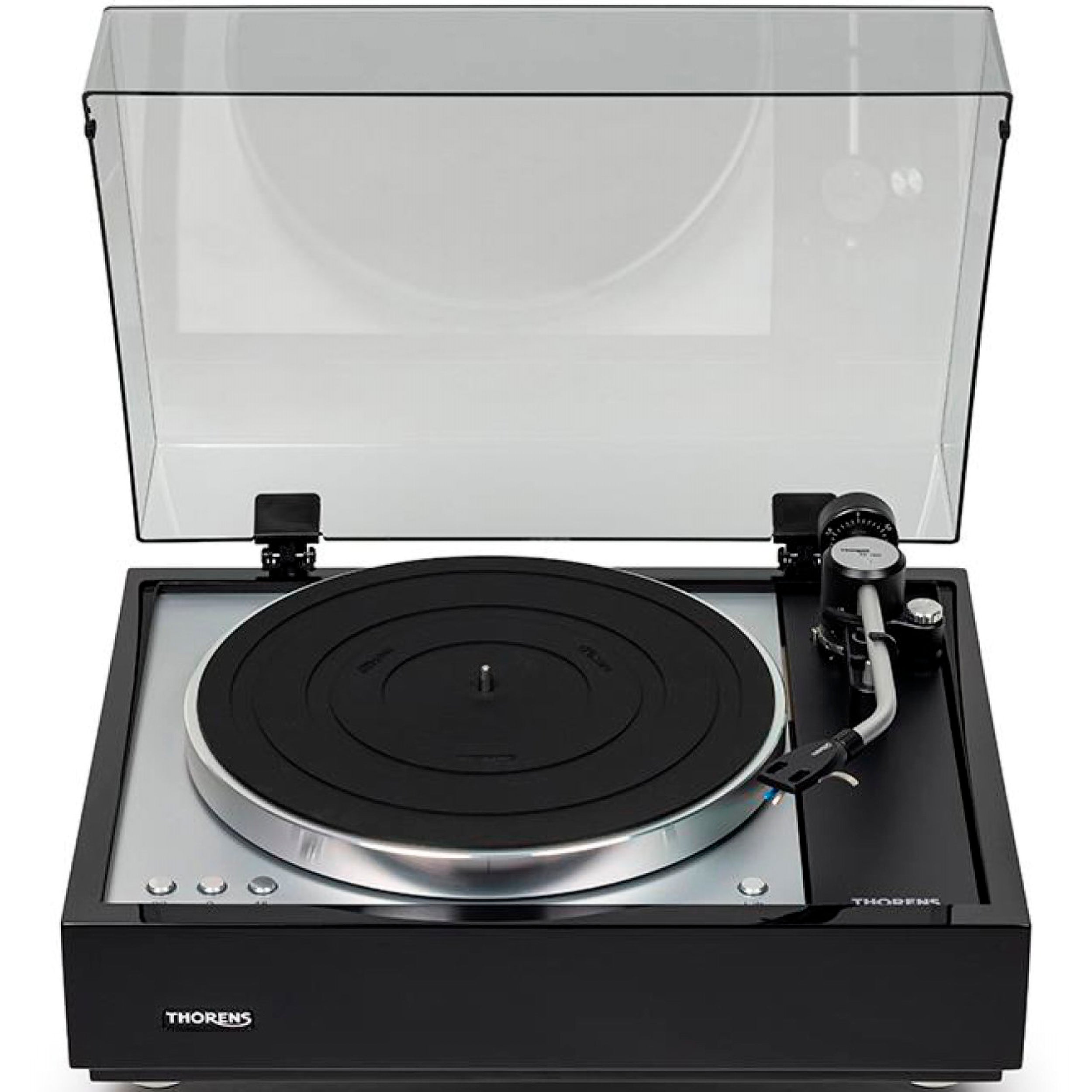
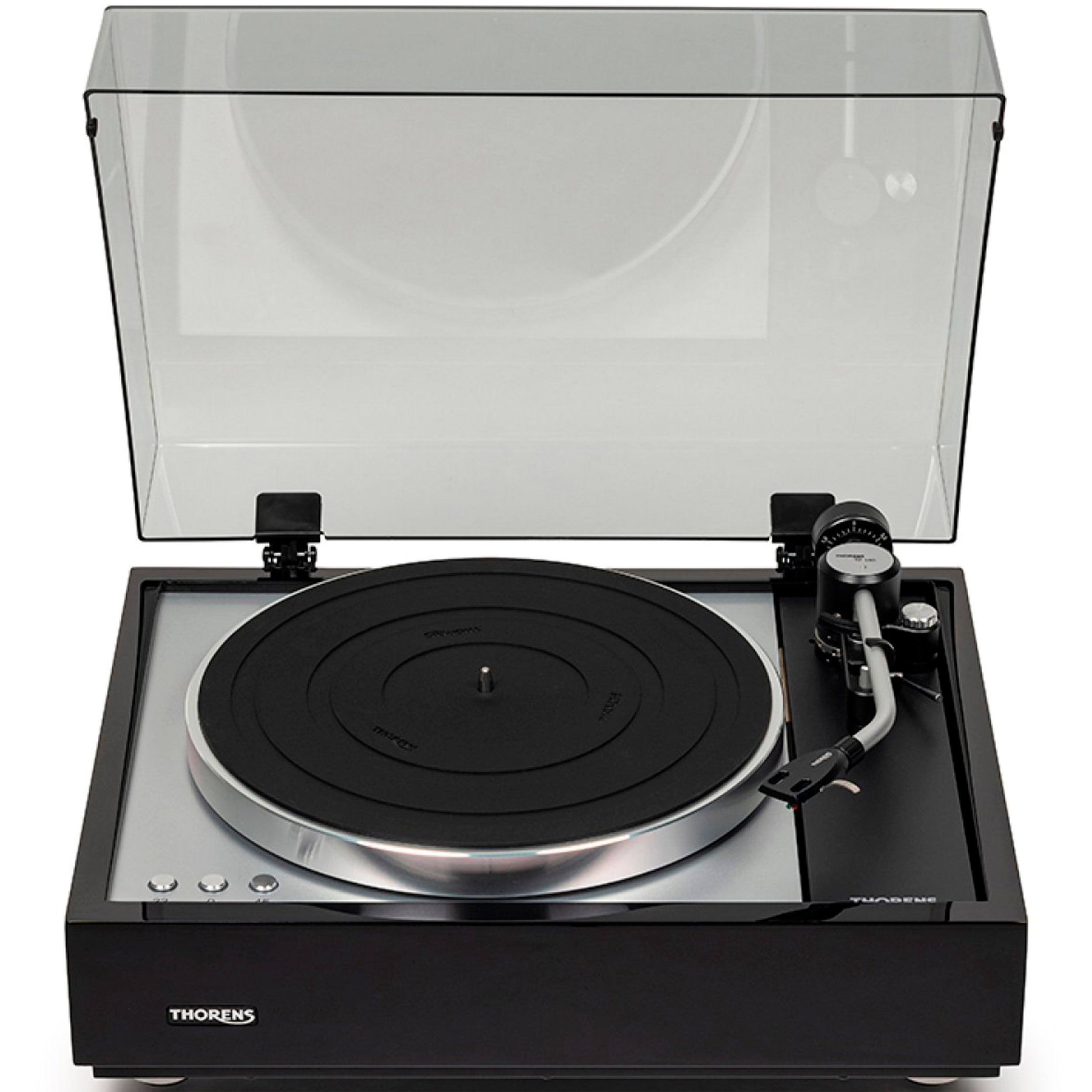
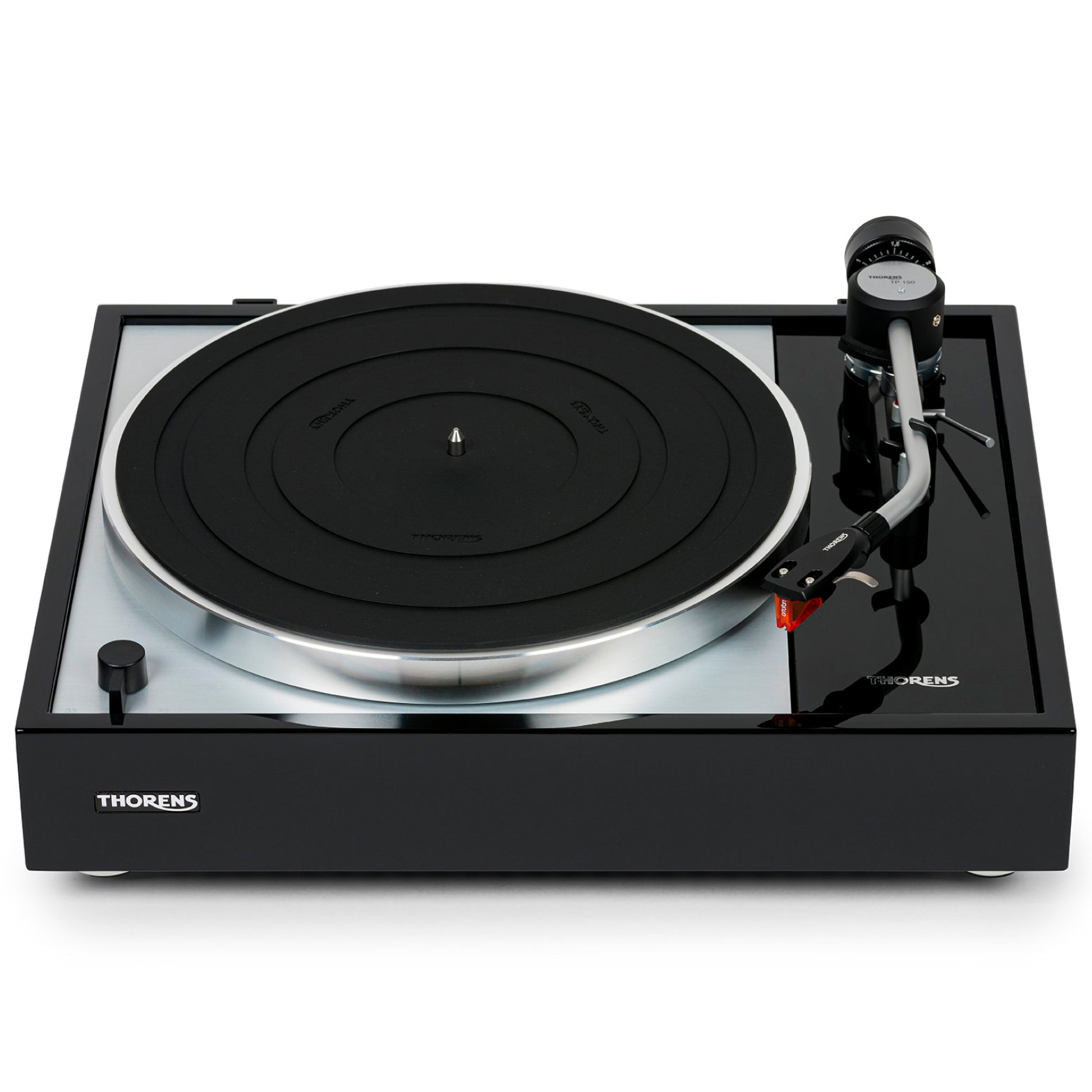
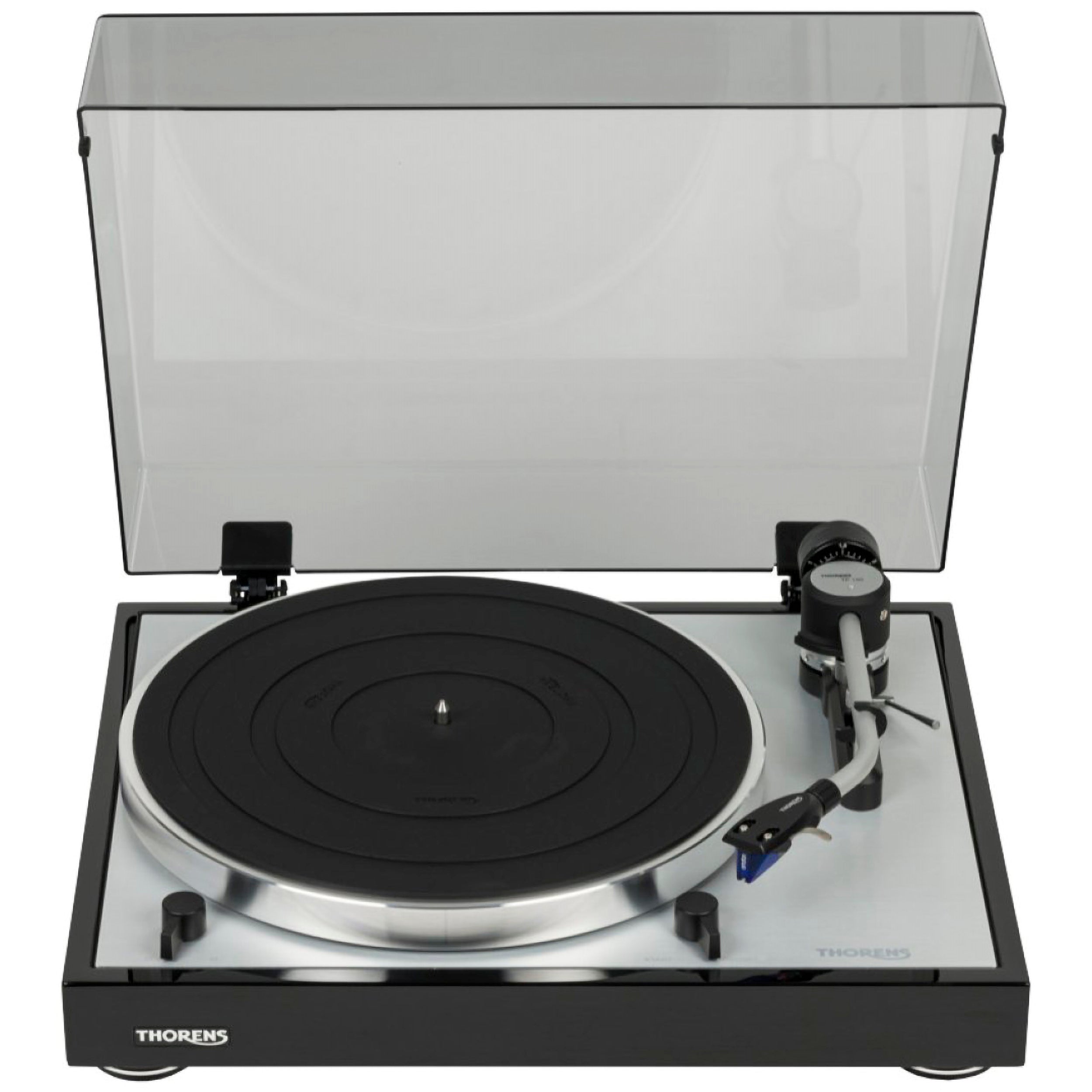
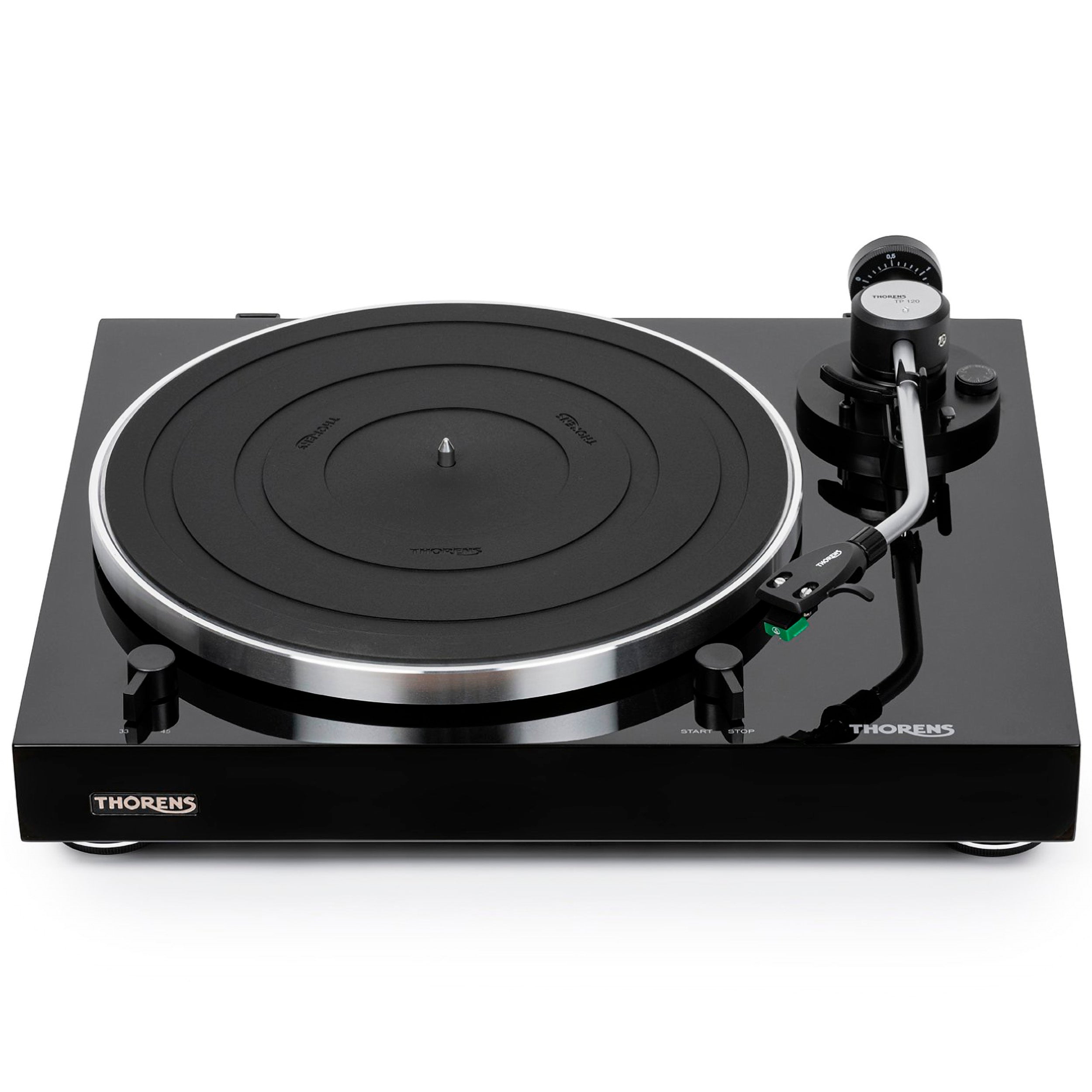
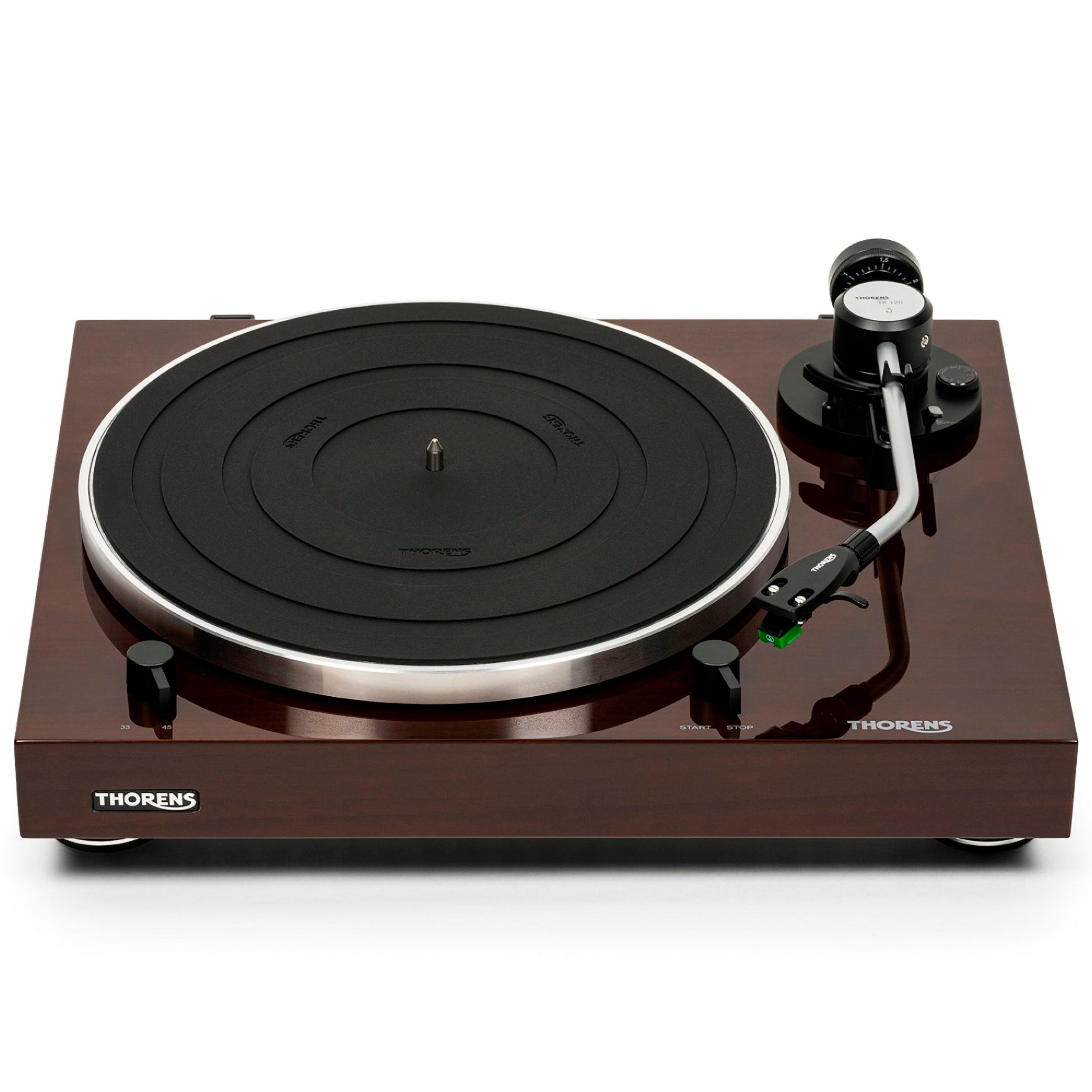
Turntables


"Vinyl has been there all along for people who are serious about sound quality."
Thomas Mørk, Owner

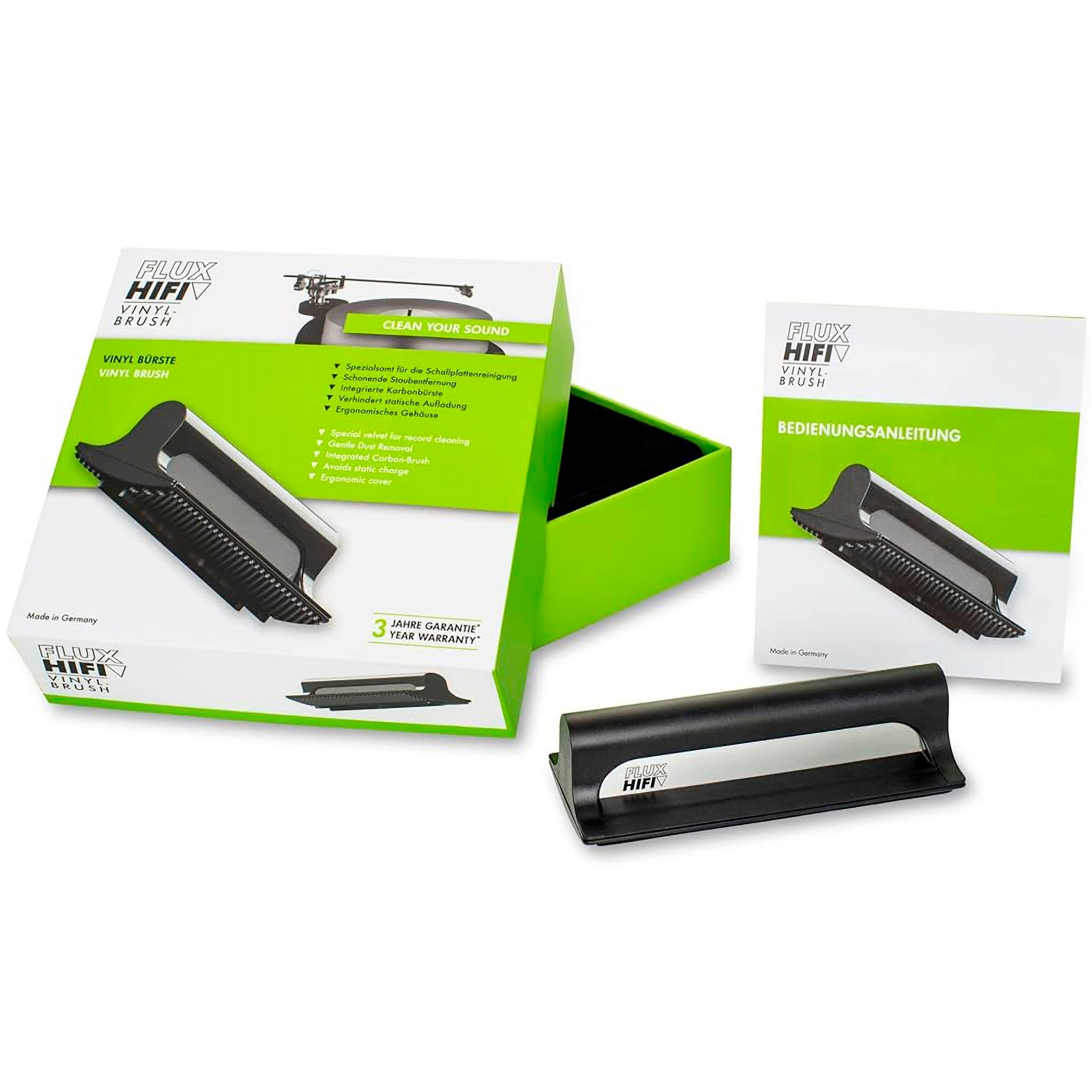
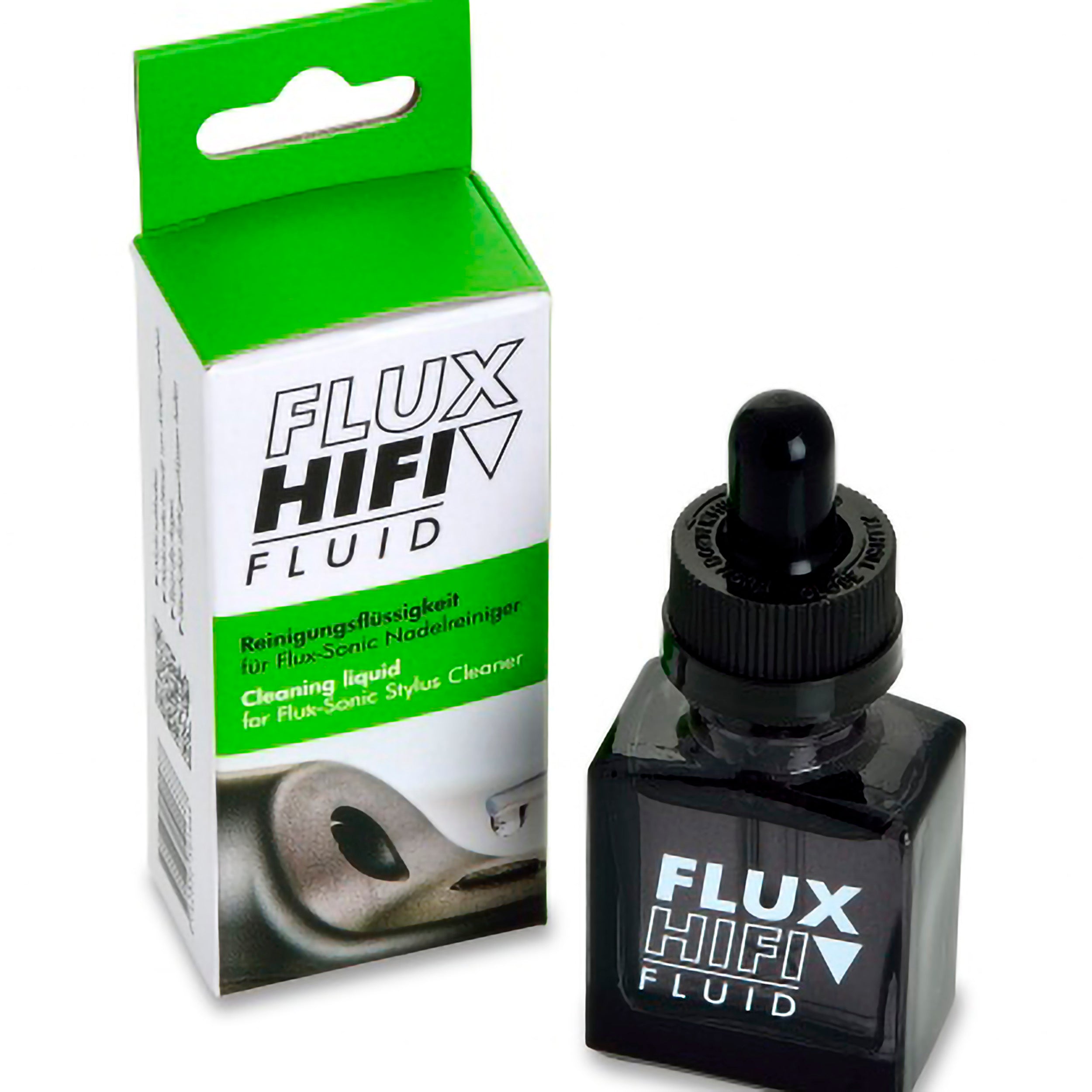
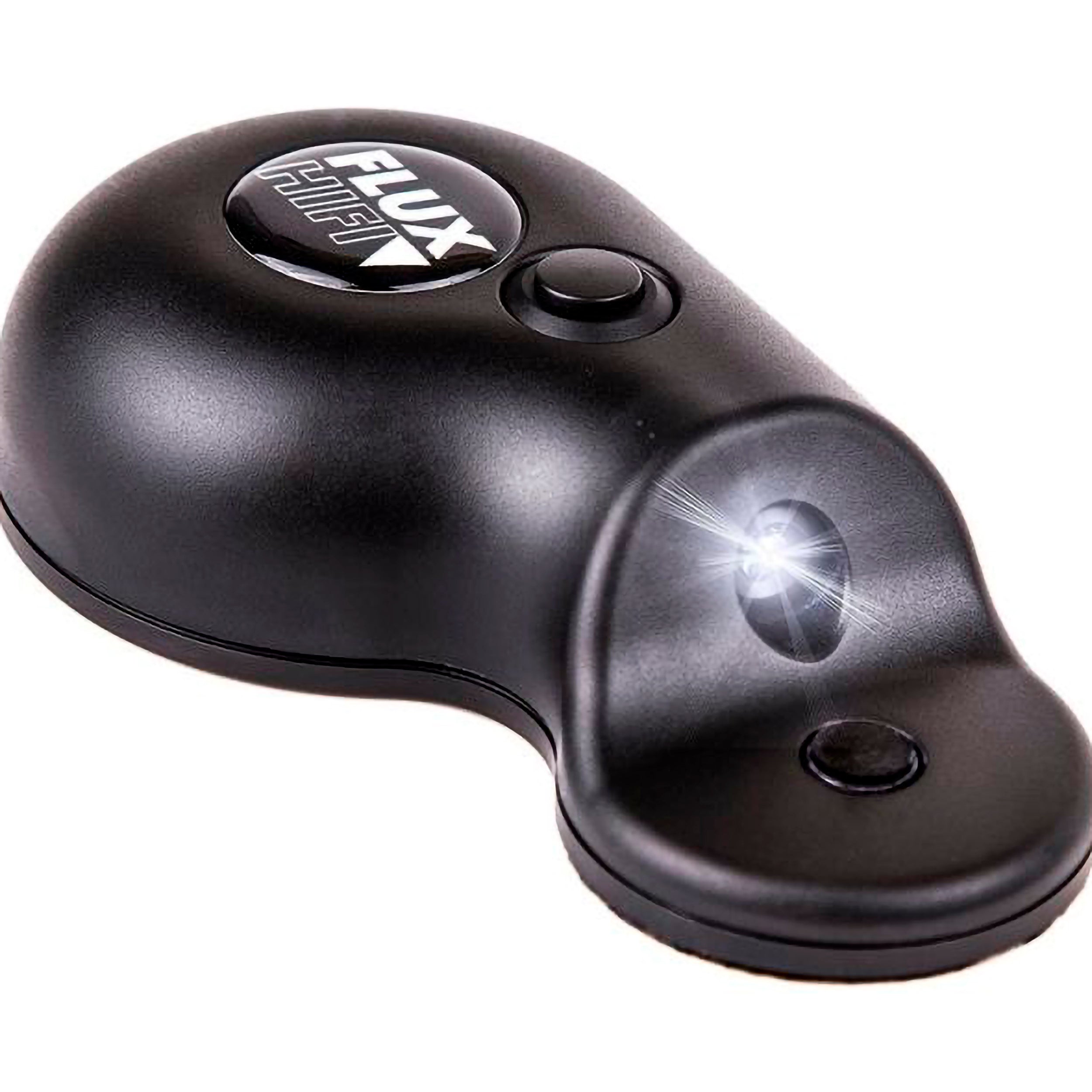
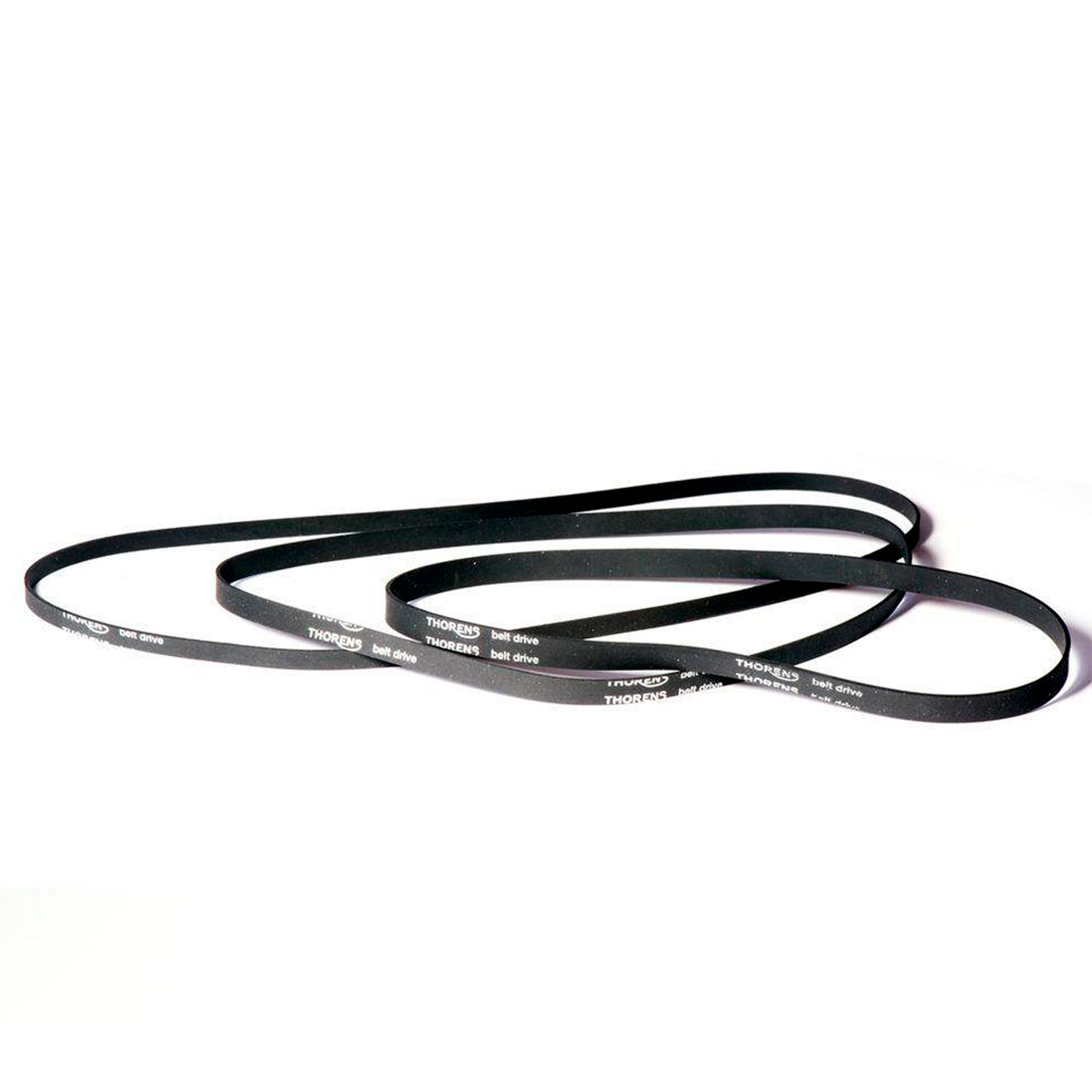
"Make sure to keep your cartridge and your records clean. Use the right cleaning equipment, such as a record brush and cleaning fluid, and make sure to have your turntable serviced about every three years. That way, you’ll get the best possible lifespan out of your system."
Thomas Mørk, Owner
Need help?
FAQ about turntables and vinyl
You need a record player, a suitable RIAA solution, an amplifier, and speakers—unless some of the functions are already integrated into your equipment. The key thing is that the components can be connected correctly and are compatible. For example, some record players and amplifiers have a built-in RIAA.
A RIAA amplifier amplifies the signal from the cartridge while also correcting the frequency response. Some turntables or amplifiers have a built-in RIAA stage, while other setups require a separate RIAA amplifier. The choice should, among other things, match the type of cartridge you use.
Yes, many turntables can be upgraded with a different cartridge. However, it is important to choose a model that matches the turntable, tonearm, and the RIAA preamplifier you use. Proper installation and adjustment are also important for playback.
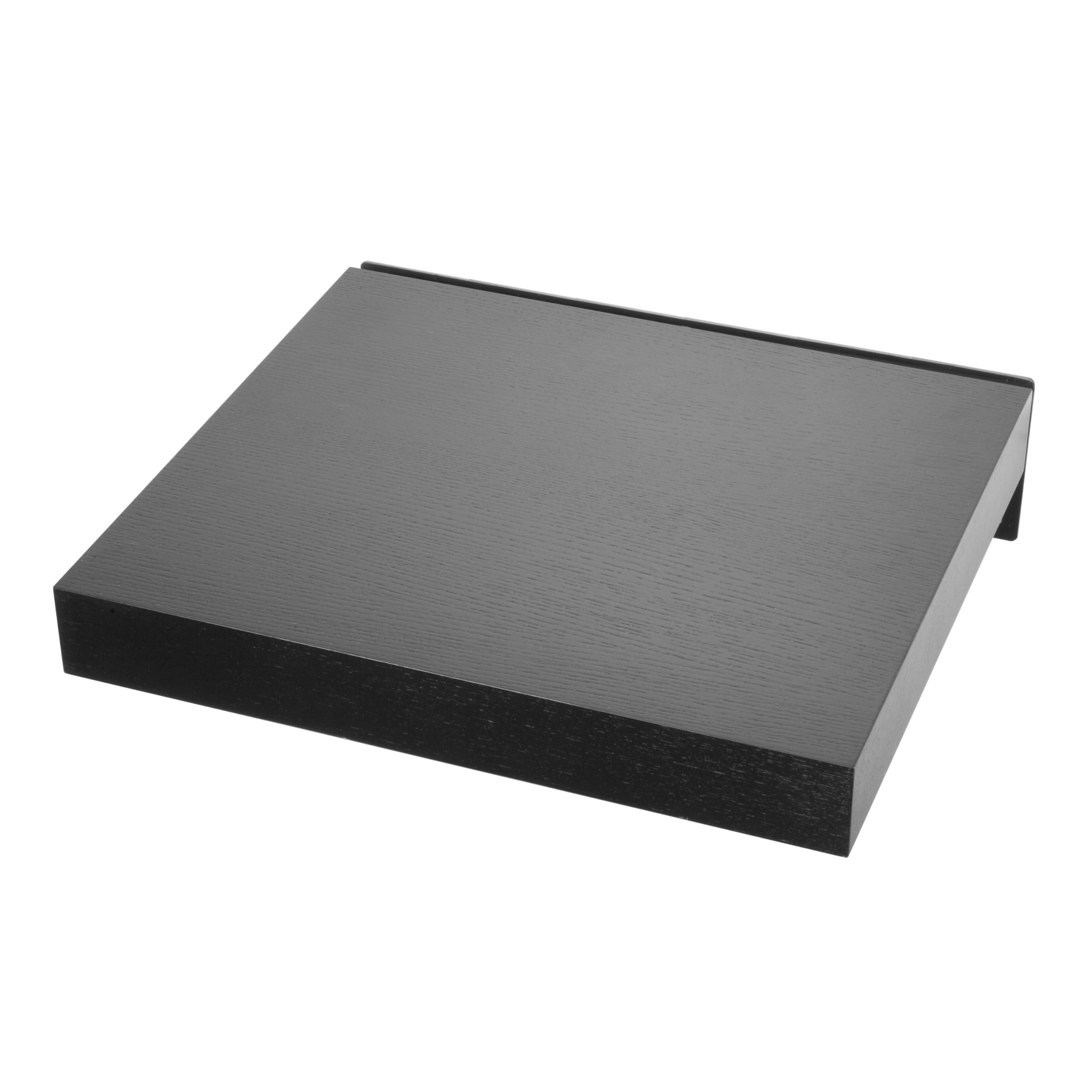
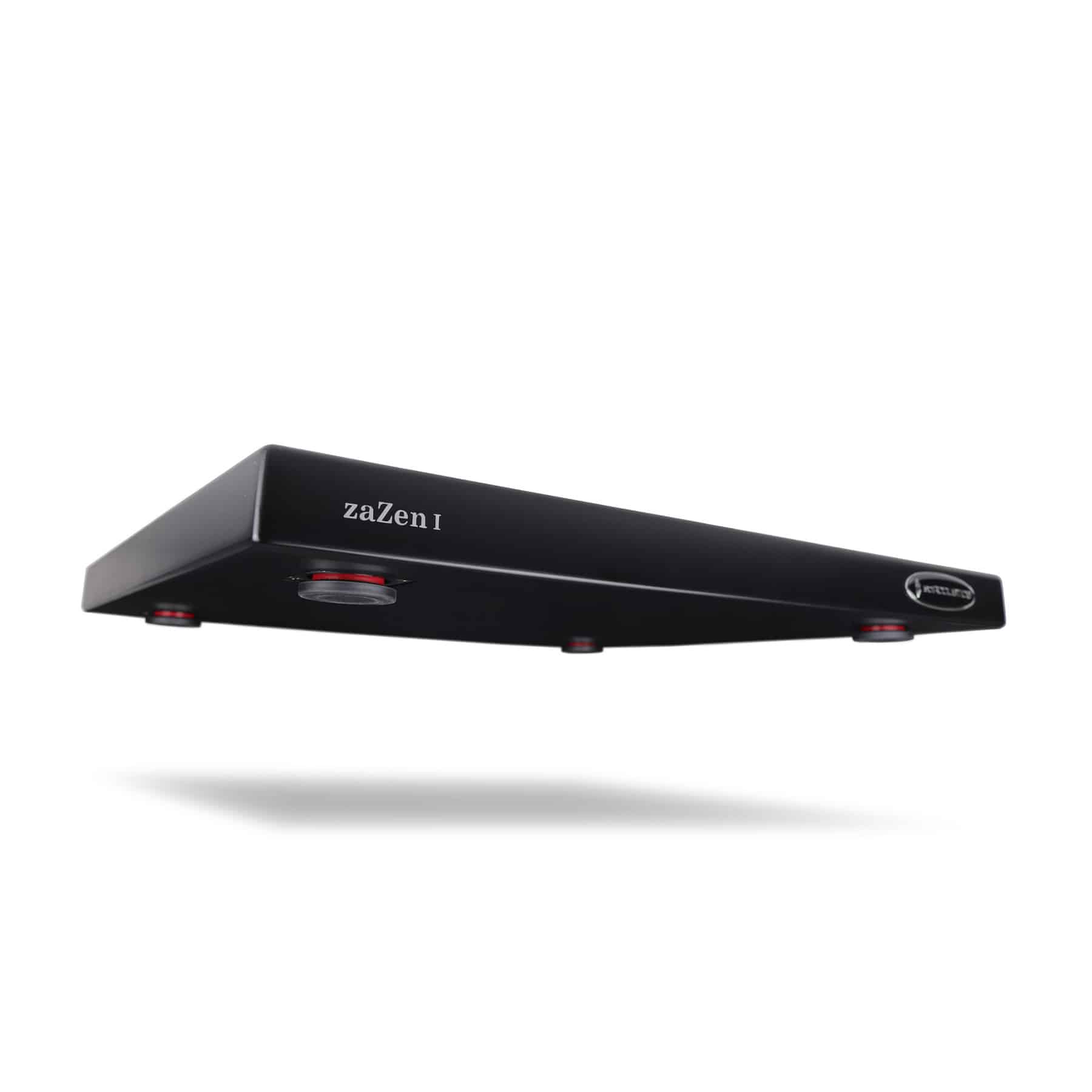
A turntable should stand as stable and vibration-free as possible. Vibrations from floors, furniture, and speakers can affect playback. A stable hi-fi cabinet, a suitable platform, or in some cases a wall shelf may therefore be relevant.
MM stands for Moving Magnet, while MC stands for Moving Coil. The two designs have different electrical characteristics and therefore place different demands on the RIAA amplifier. When choosing a cartridge, make sure it is compatible with both the turntable and the rest of the signal chain.
Keep both vinyl records and the cartridge free of dust and dirt with equipment designed for the purpose. A record brush can be used for regular cleaning, while more thorough cleaning can be done with cleaning fluid or a record cleaning machine. The cartridge should be cleaned carefully with suitable cleaning equipment.
The right turntable depends on your existing system and your wishes for vinyl playback. It is worth looking at the whole system rather than the turntable in isolation, because the cartridge, RIAA amplifier, amplifier, speakers, and setup together affect the result.

