













Guide: How to use ansuz darkz

What are Ansuz Darkz? A guide to decoupling your hi-fi system
When working with the sound from a hi-fi system, it is natural to focus first on the speakers, amplifier, source, and cables. But vibrations and resonances around the equipment can also affect the perceived sound reproduction. This is exactly the area Ansuz Darkz has been developed to work with.
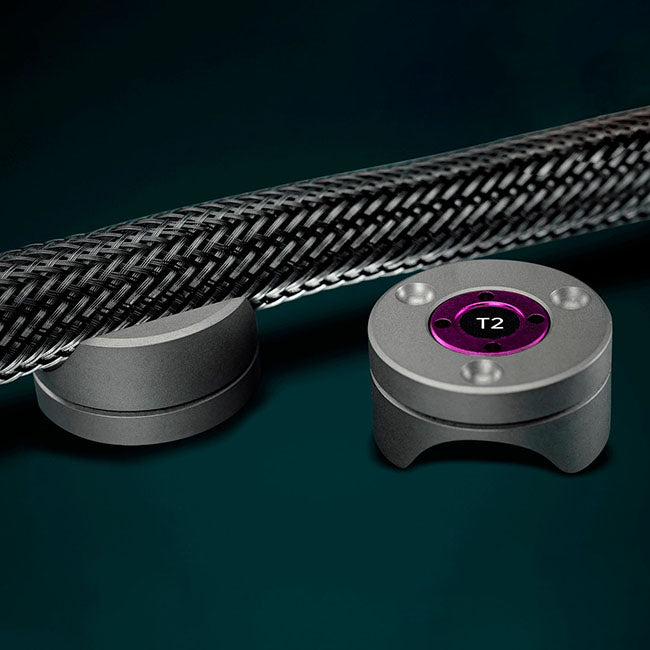
Darkz are mechanical isolation feet for hi-fi equipment and can be used with electronics, power products, and speakers, among other things. They are available in different versions and materials, allowing the isolation to be tailored to the system and the desired setup.
In this guide, we take a closer look at what Ansuz Darkz are, how they are used, and what you should consider when choosing isolation for your hi-fi system.
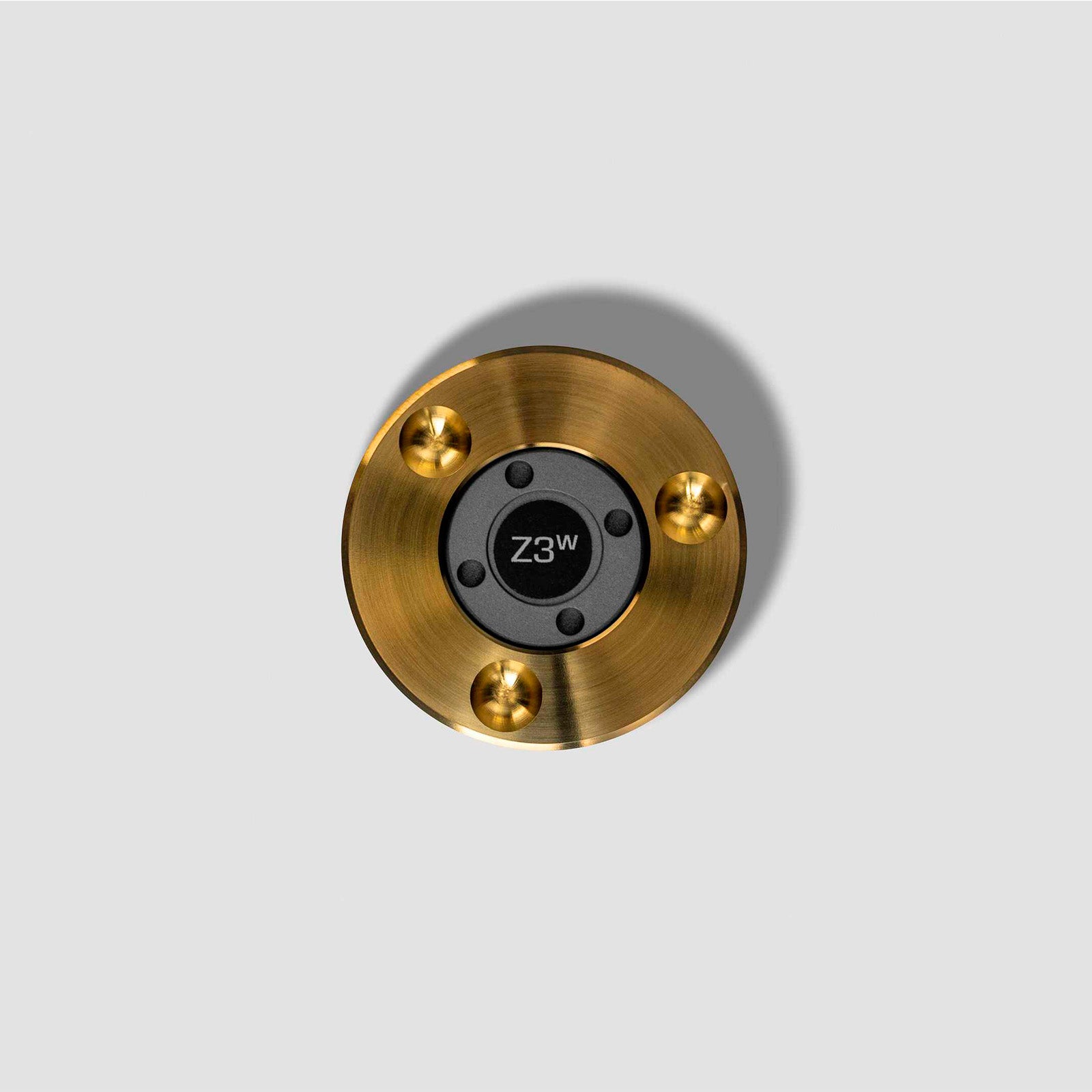
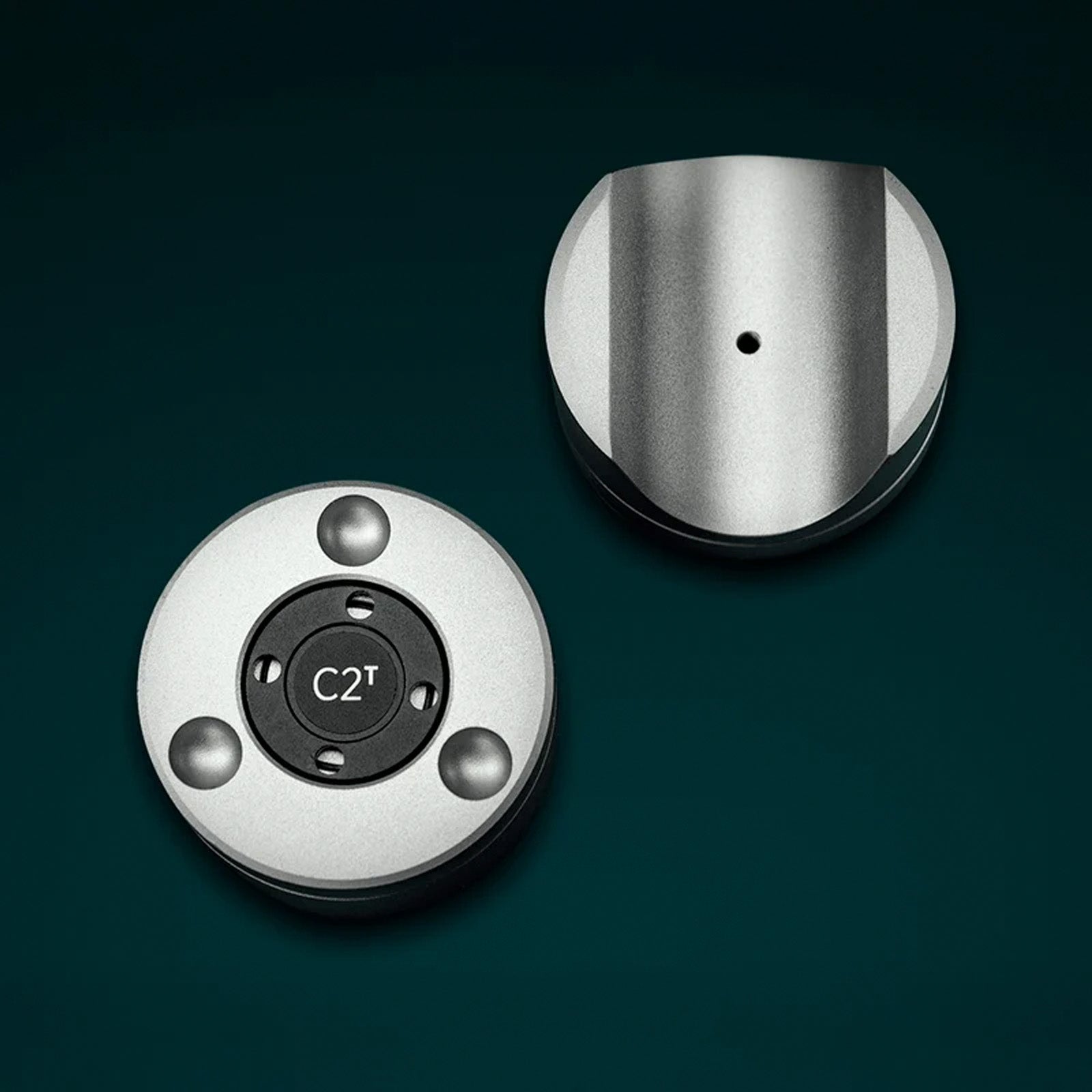
1. What are Ansuz Darkz?
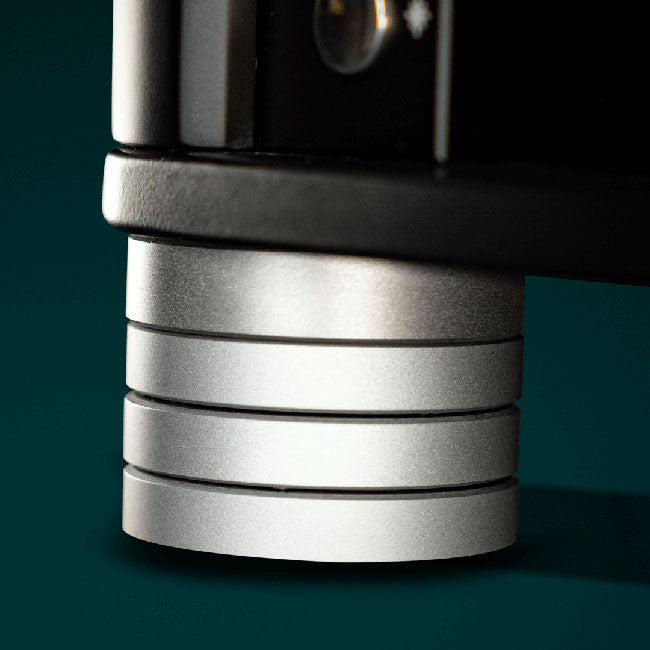
Ansuz Darkz are isolation feet developed to handle mechanical vibrations and resonances around hi-fi components.
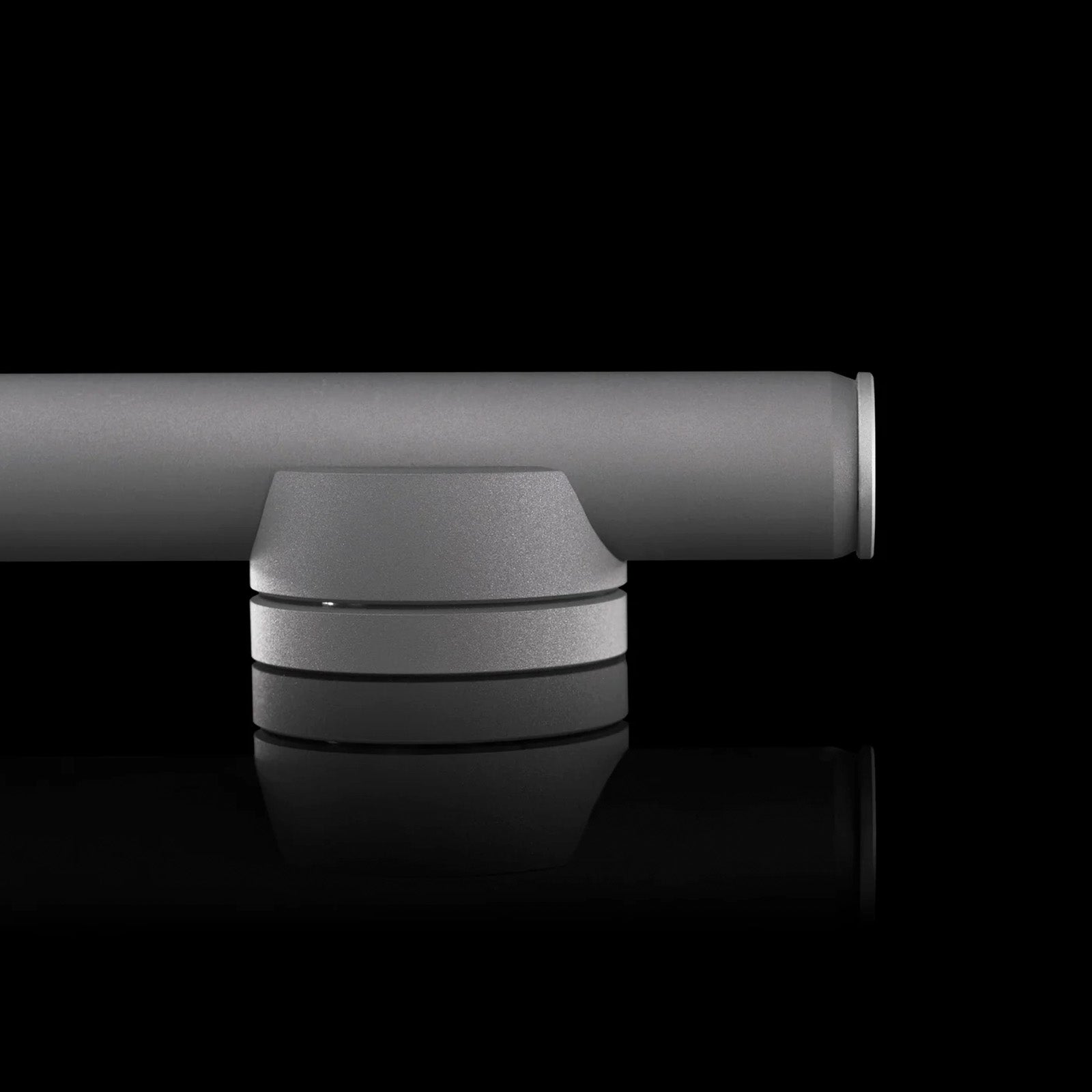
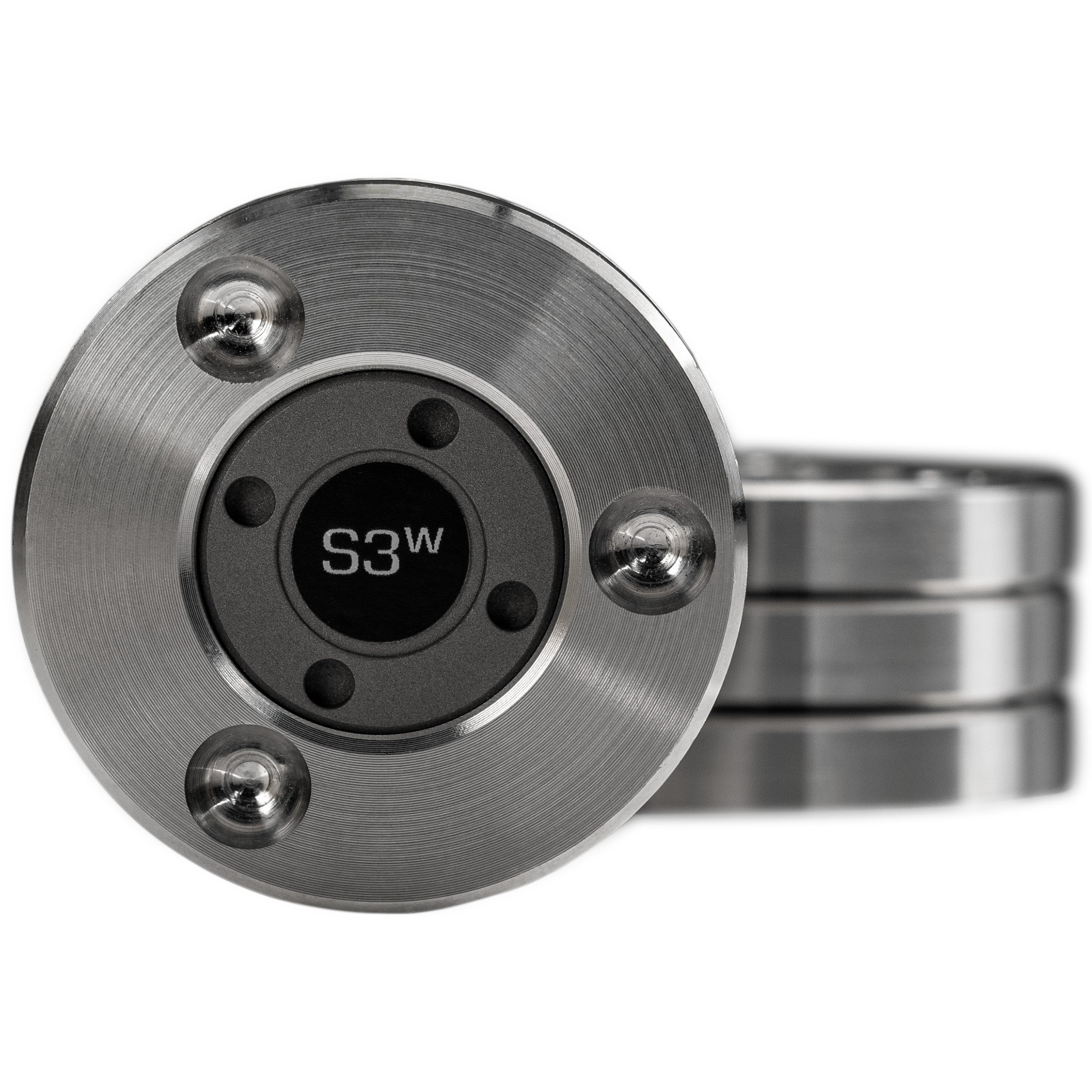
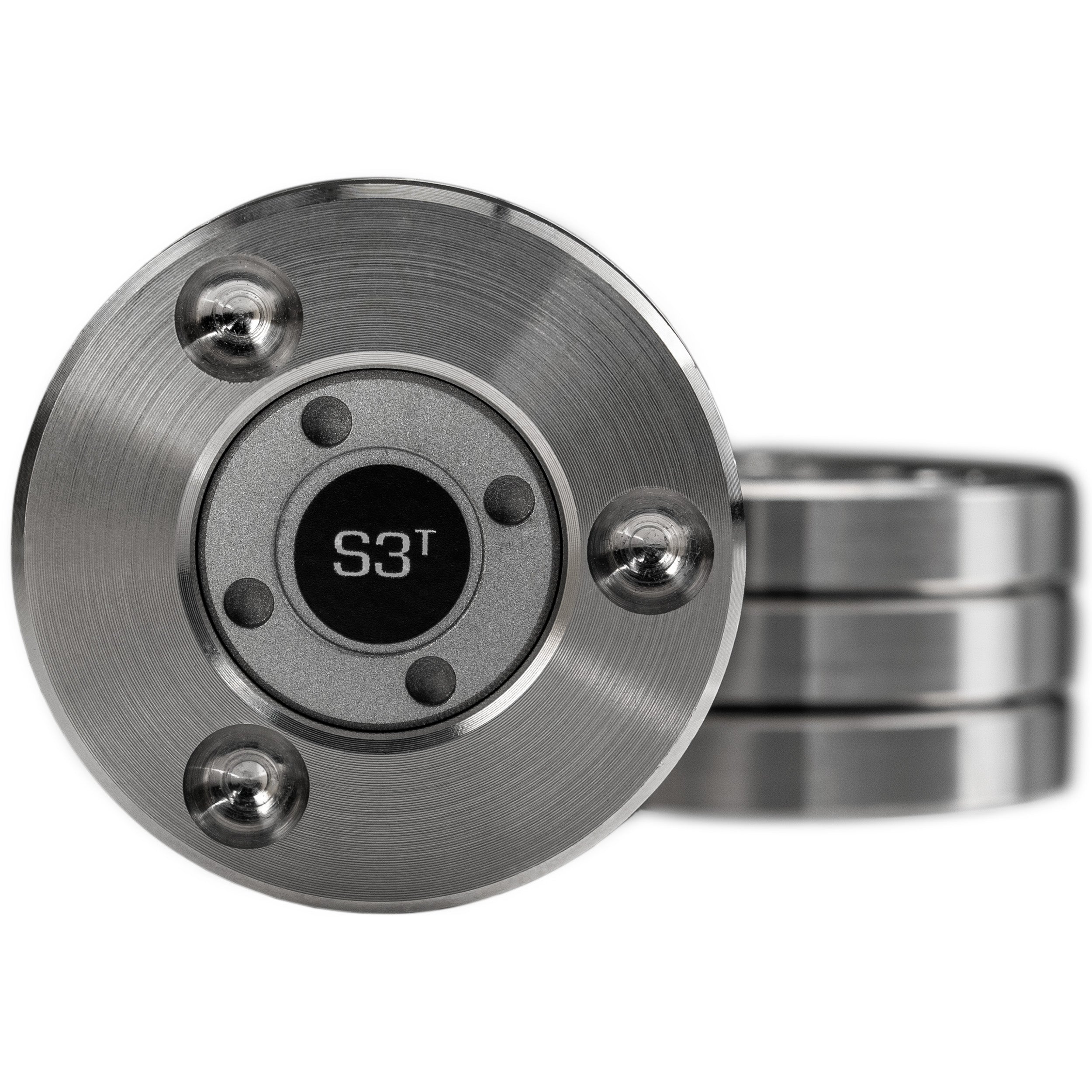
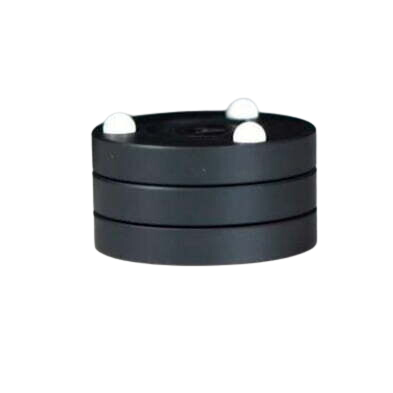
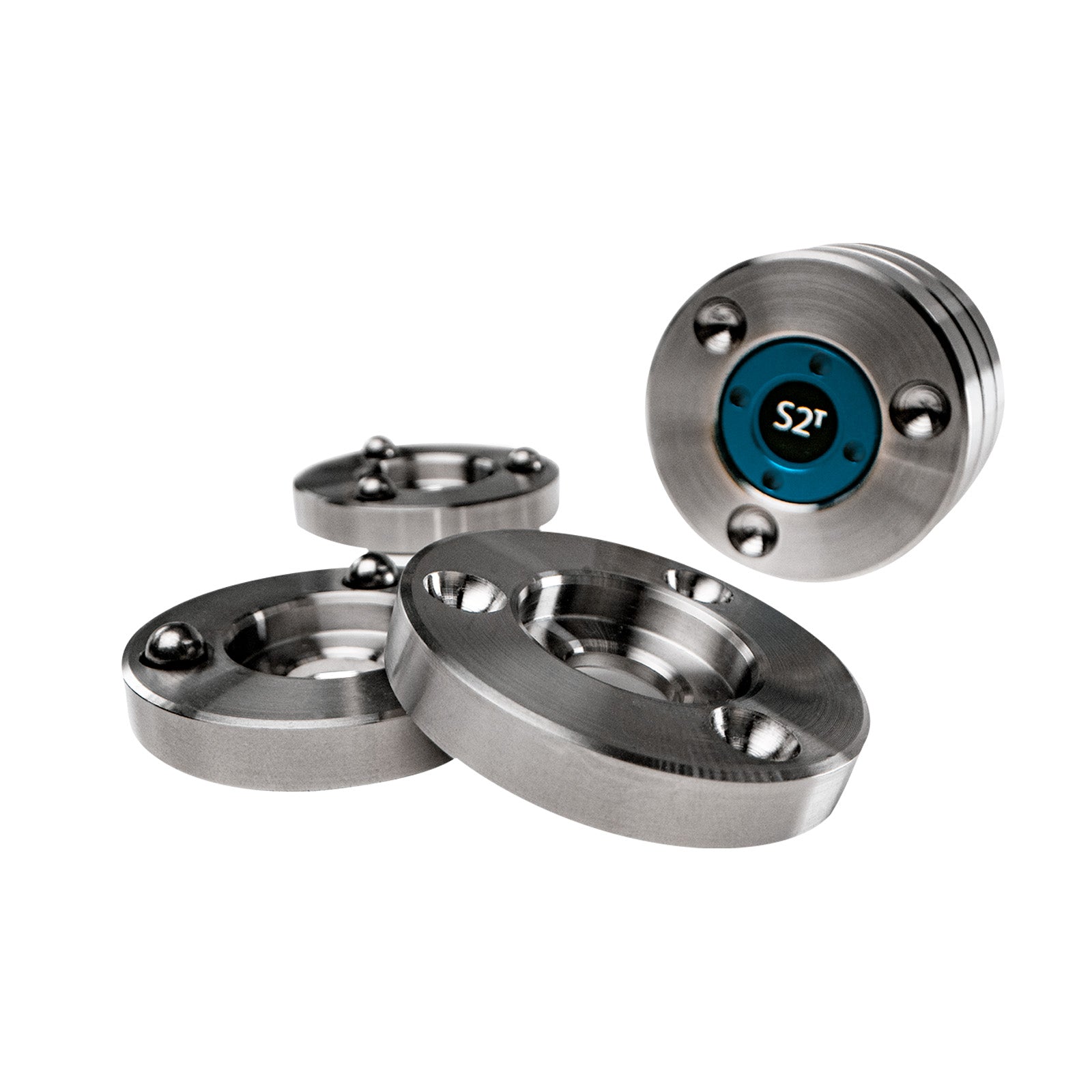
The construction works on a ball principle between the layers of the Darkz elements. The purpose is to create a mechanical interface between the equipment and the surface it stands on.
This makes Darkz relevant in a hi-fi system where you want to work deliberately with the mechanical foundation of the components rather than focusing exclusively on the electrical signal path.
2. Why is decoupling relevant in hi-fi?
Electronics and speakers exist in a physical environment and are therefore also mechanically affected by their surroundings.
Speakers, for example, create significant vibrations when they are playing. At the same time, cabinets and other parts of a system can have their own resonances.
Decoupling is therefore about controlling the interaction between the equipment, the vibrations, and the surface underneath.
It is also worth distinguishing between ordinary soft rubber feet and a specialized mechanical solution like Darkz. The design and the way they work with movement between the component and the supporting surface are different.
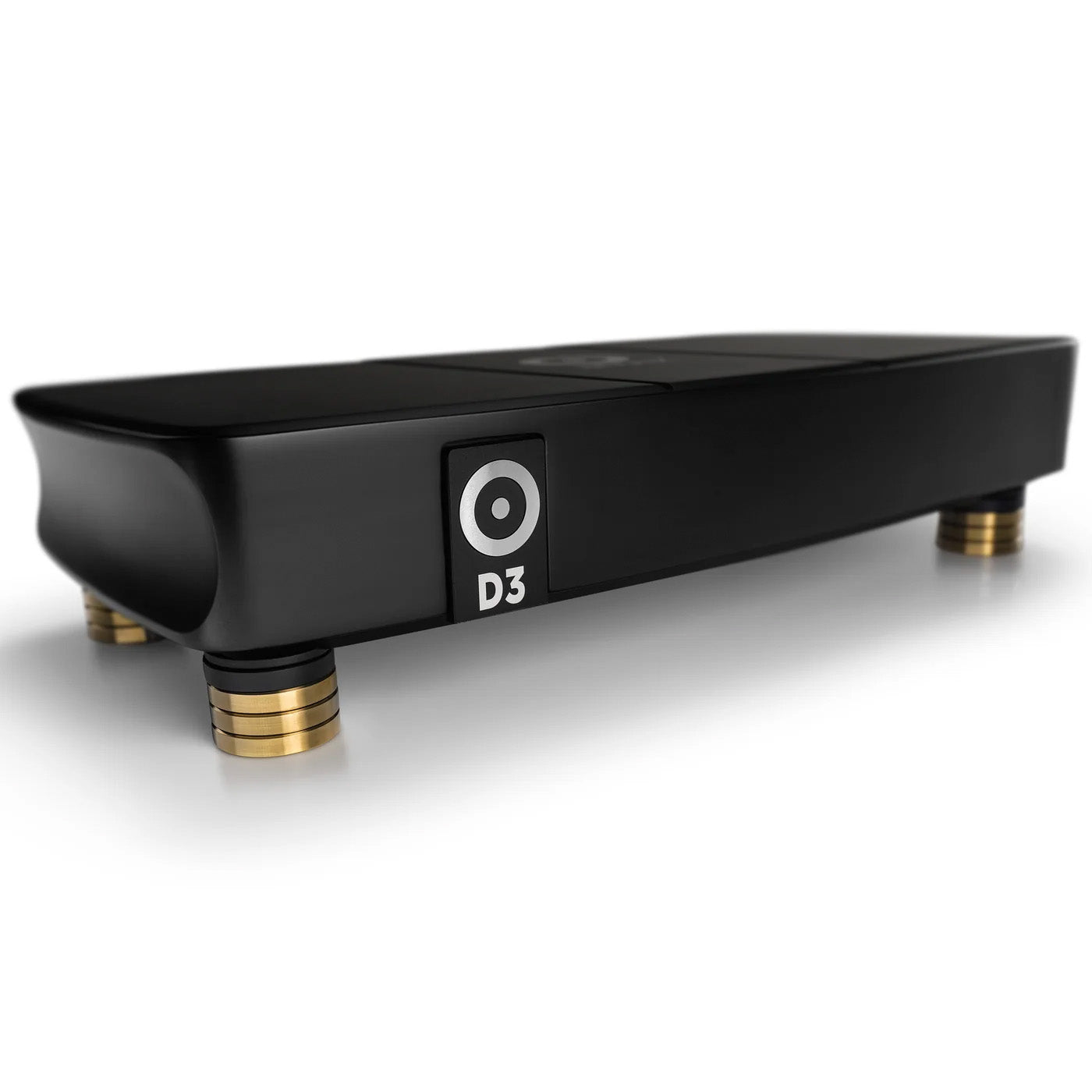
3. How do Ansuz Darkz work?
Ansuz Darkz use balls positioned between the individual parts of the construction. This allows movement between the layers and is a central part of the mechanical decoupling.
Darkz are also made in different materials and variants.
The choice of material is interesting because different constructions can behave differently mechanically. Therefore, choosing Darkz is not necessarily just about selecting the most expensive model, but also about finding a solution that suits the equipment and the overall system.
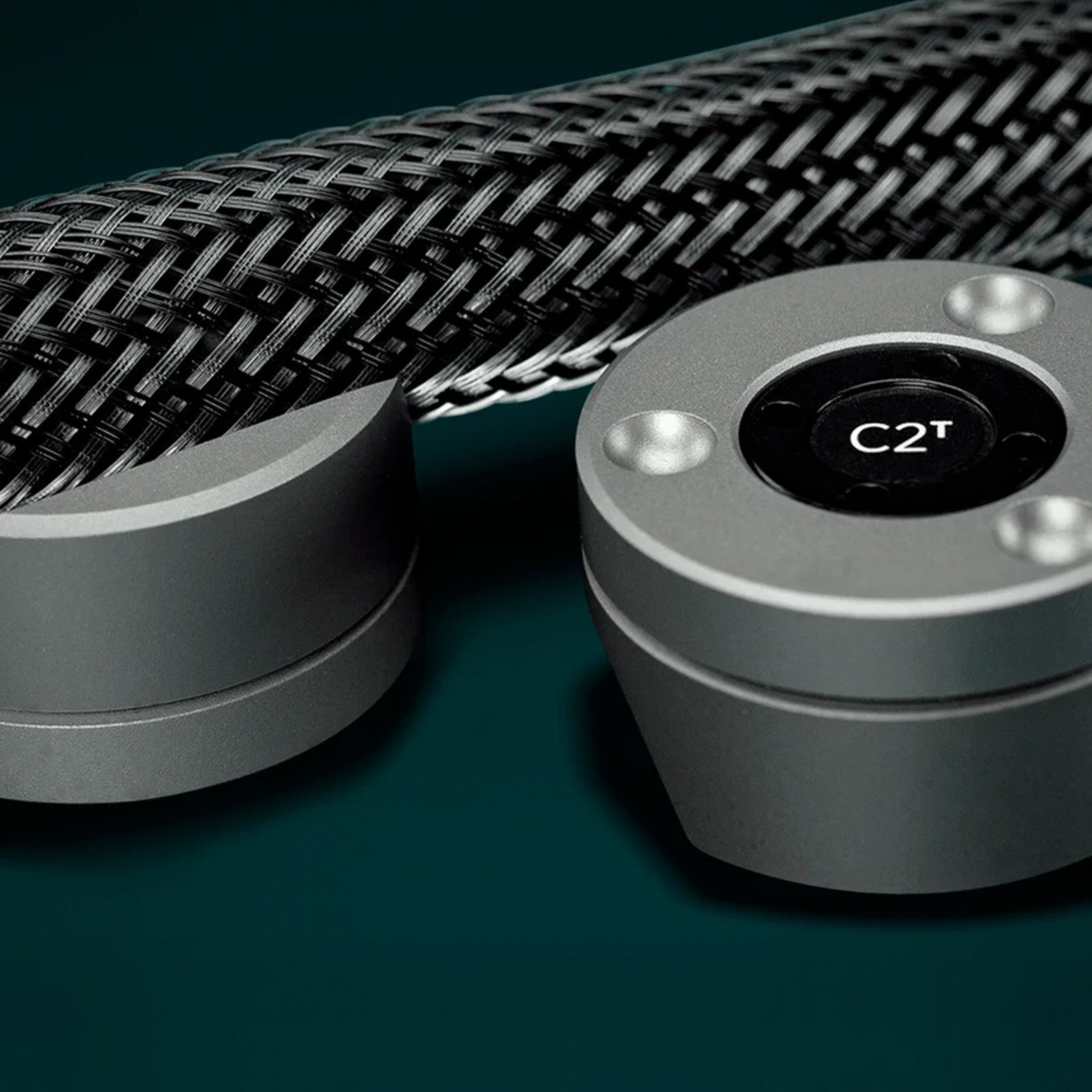
4. Where can Ansuz Darkz be used?
Darkz can be used in several places in a hi-fi system. Among other things, they can be used in connection with:
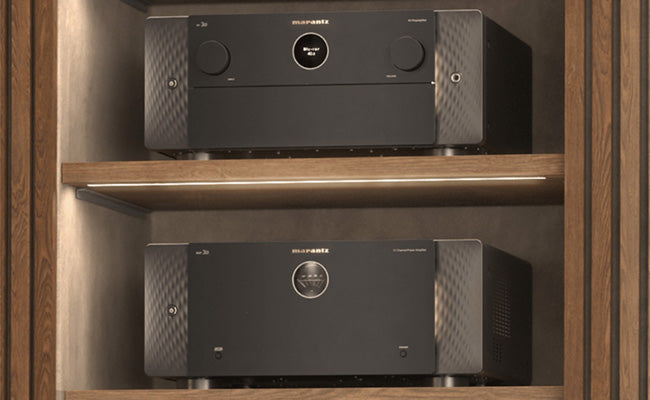
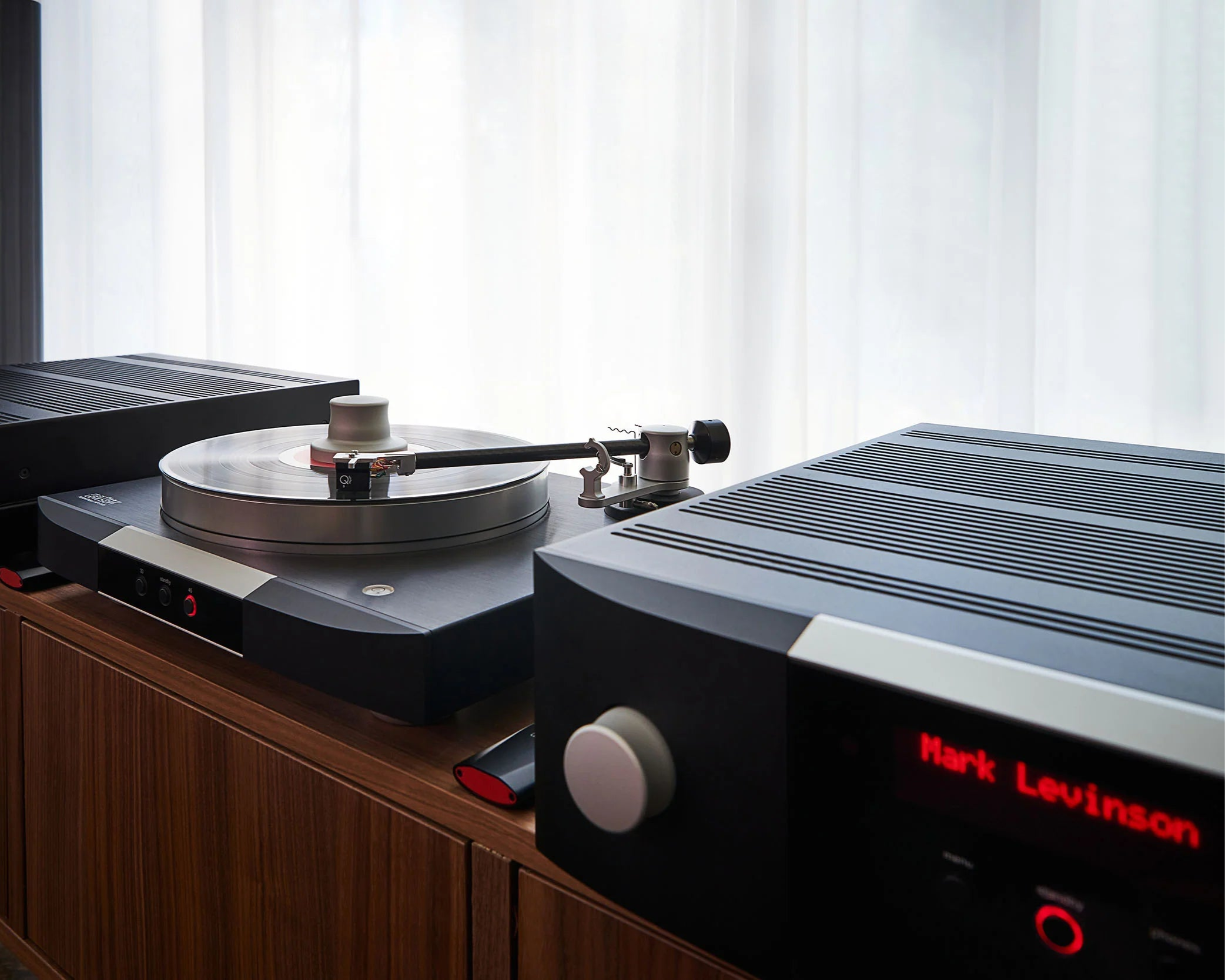
- amplifiers and other hi-fi electronics
- power products and power strips
- network products
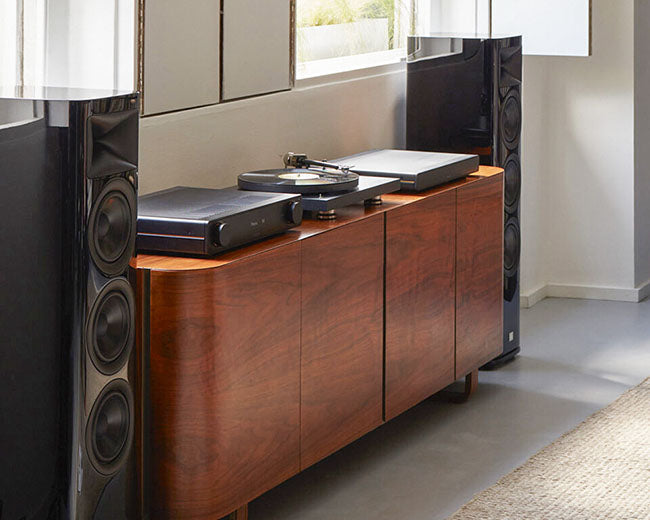
- speakers
- compatible products prepared for Darkz
On electronics that do not have a special solution for Darkz, they can be placed under the bottom of the unit itself next to the existing feet.
They should not simply be placed under the unit's original feet. At the same time, the placement must ensure that the component stands stable.



5. How many Darkz do you need?
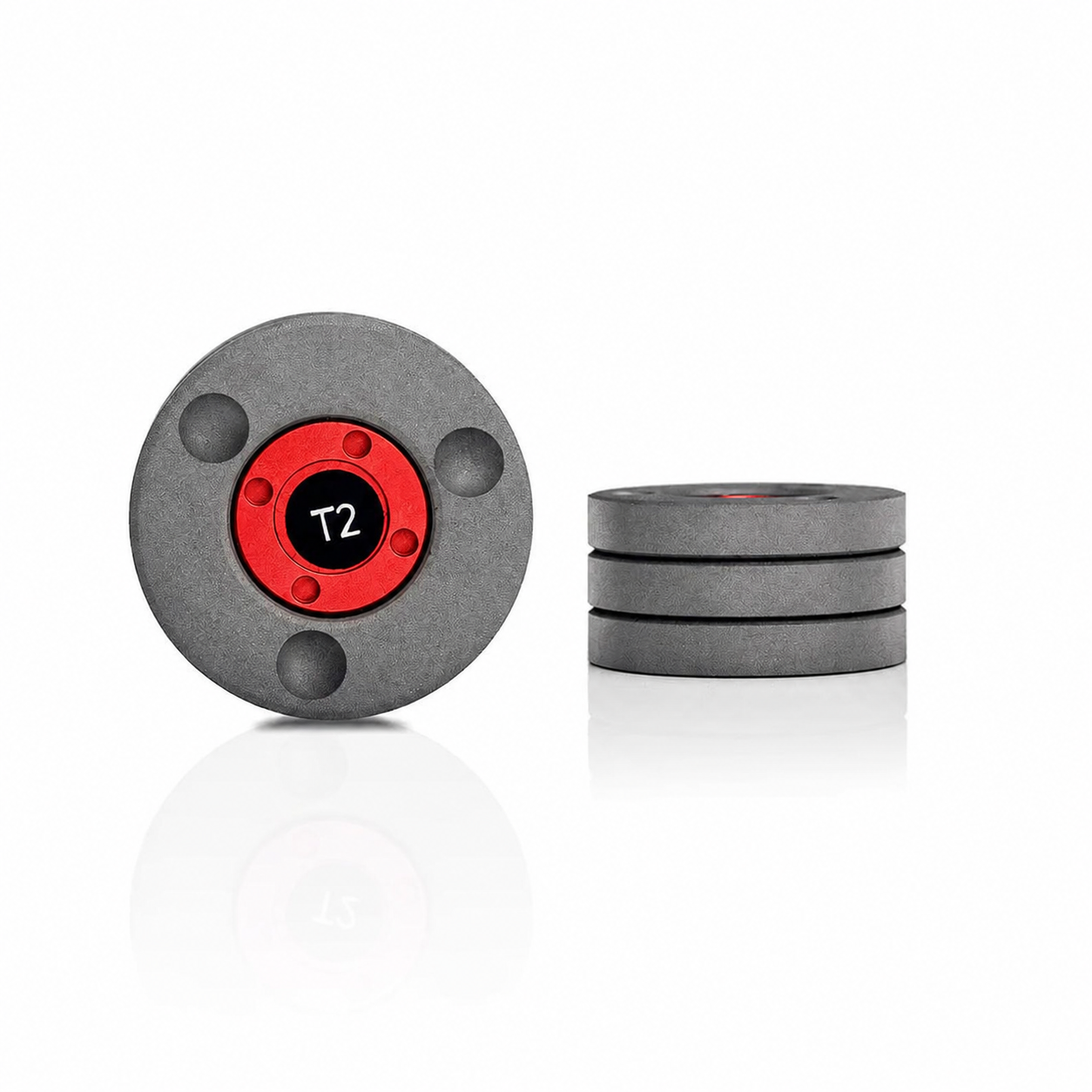
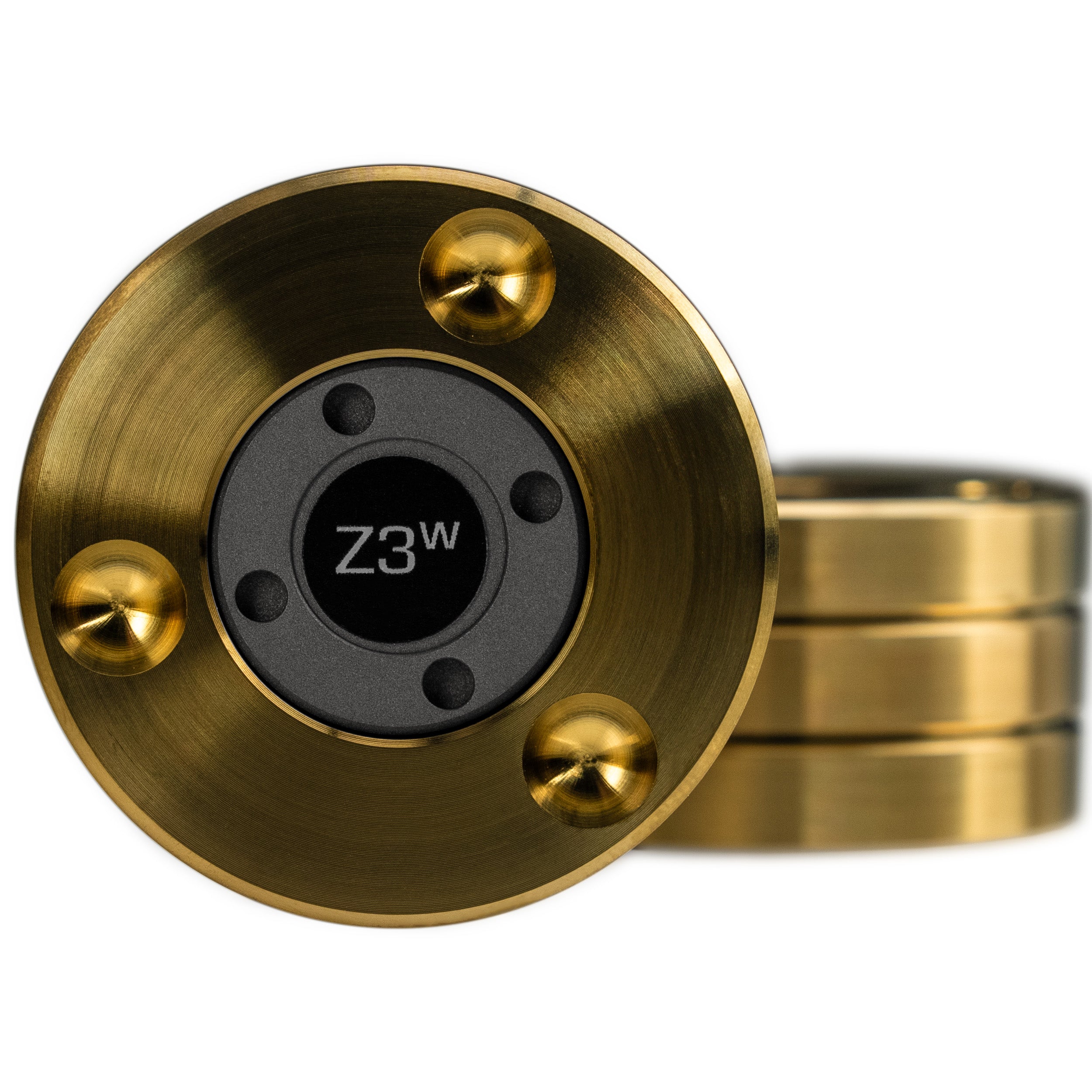
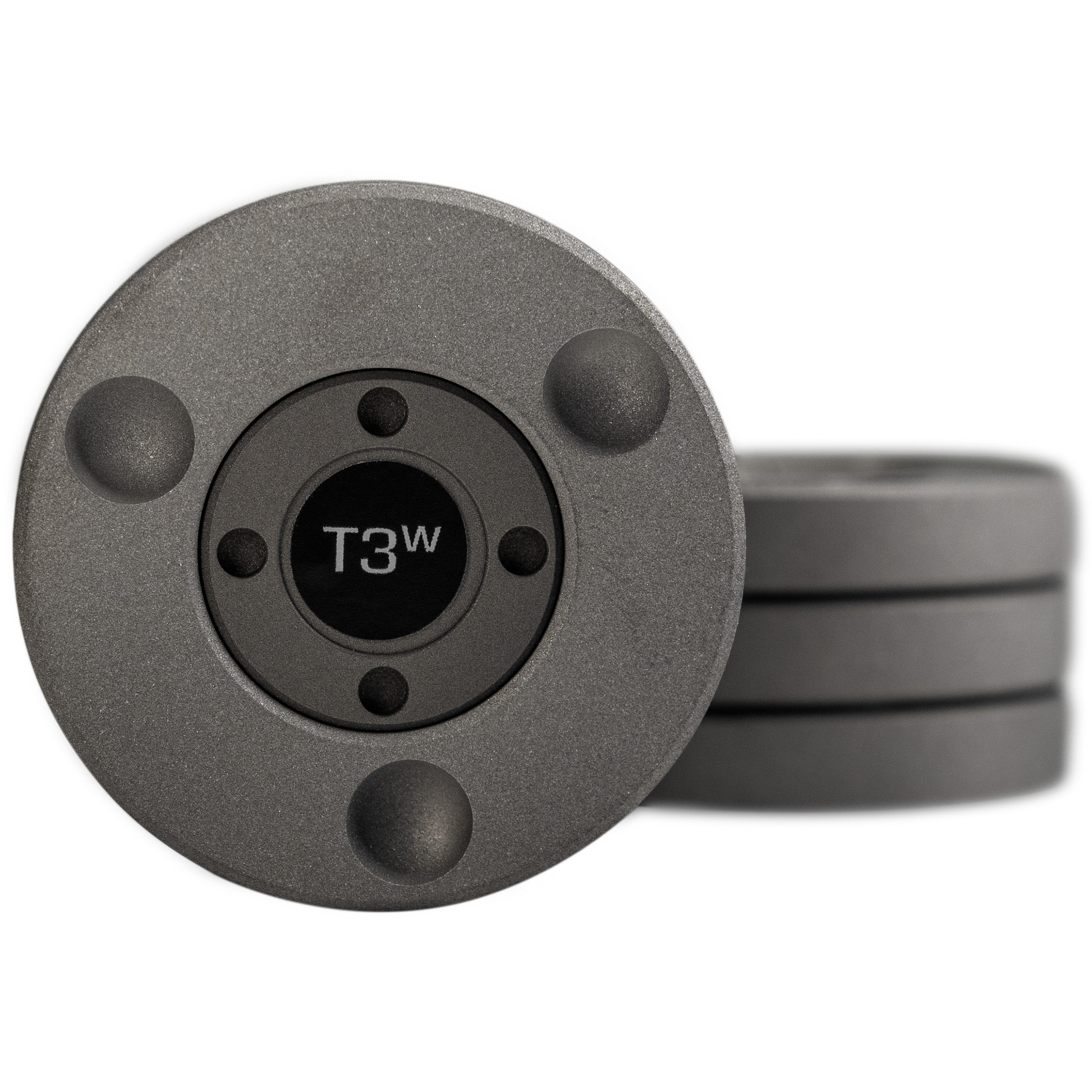
Three or four Ansuz Darkz per device is a common starting point.
With four isolation feet, there are good opportunities to create a stable setup and experiment with the placement under the device. For example, it may be relevant to explore different positions in relation to the component’s internal construction.
The most important thing is always that the device stands securely and stably.
6. Can Darkz be used under speakers?
Yes, Darkz can also be used with speakers.
For speakers with spikes, there are adjustable Darkz variants with a recess where the spike can be placed. The adjustable design can also be useful if the floor or surface is not completely level.
In this way, the decoupling can become an integrated part of the speaker’s mechanical contact with the floor.
For some setups, adjustable Ansuz Darkz may be relevant because the height can be adjusted so the weight is distributed between the decoupling points.
7. Is there a difference between the different Ansuz Darkz?
Yes. Darkz is available in different constructions and materials, including models based on copper and titanium, among others.
The experience with different Darkz can vary from system to system. That is why it is a good idea not to view the models only as a simple ranking.
In a highly resolving hi-fi system, it can be relevant to compare different models and placements and assess the result based on the rest of the system and your own preferences.
That is precisely one of the advantages of working systematically with isolation: You can change one parameter at a time and listen to the effect it has in your particular system.
You can see the different Ansuz Darkz and compare the models before choosing a solution for your system.
8. Is there a difference between the different Ansuz Darkz?
Start with your existing hi-fi system and your goal for the setup.
Consider both which equipment needs to be isolated, how the device is constructed, and how it is positioned. After that, you can explore which Darkz model and placement best suit the specific component.
If you have the opportunity, hands-on testing is especially valuable. Hi-fi systems, rooms, and personal preferences differ, so experience with the specific system may be more important than a general ranking.
Otherwise, get in touch with Palle, who has worked with Darkz for more than 10 years and knows them inside and out!

Do you need help?
FAQ about Ansuz Darkz and isolation
Yes, Darkz can be placed under other types of electronics directly beneath the base of the device next to the original feet. This means that use is not limited to equipment from Audio Group Denmark. However, it is important that the device stands stable and that Darkz are positioned correctly.
Isolation helps control the vibrations and resonances that can arise in and around hi-fi equipment. Speakers, for example, generate mechanical energy when they play, while electronics and cabinets are also affected by their surroundings. The purpose of a specialized isolation solution is therefore to provide the components with a more controlled mechanical foundation.
No. On electronics that are not designed with a special solution for Darkz, according to the material they must be placed under the base of the device itself and next to the original feet. They should therefore not be placed under the existing device feet. At the same time, ensure stable weight distribution so that the component stands securely.
Not necessarily. The different Darkz models differ in, among other things, materials and construction, and the experience described in our material is that they can also be perceived differently from system to system. Therefore, the choice should not be based solely on price or position in the model range, but also on the equipment, setup, and your sonic preferences.
Start by looking at the component you want to isolate and how it is positioned in your system. After that, you can assess which construction and placement best suit the equipment. The opportunity to try out different solutions is valuable because hi-fi systems, rooms, and personal preferences vary. The sound specialist can also help find a solution based on your existing setup.
According to the many years of listening experience behind this guide, this can be perceived differently. Copper, for example, is described as warmer and fuller, while titanium is perceived as lighter and more open with a clear ringing out. These are subjective listening impressions and not a universal definitive answer. The result depends on the specific hi-fi system and the listener's preferences.
Yes, Darkz is also used on top of electronics as a way to work with the cabinet’s resonances. This differs from the traditional use under the device. In the material behind this guide, it is described as an option for experimenting with the cabinet’s resonant and perceived sonic character. The result will depend on both the component and the placement.

Not a member?